
Can you use chicken poop in the garden? Yes, absolutely! Chicken manure is a fantastic natural fertilizer, but it needs proper preparation before you can safely and effectively use it to enrich your garden soil. This guide will walk you through everything you need to know about composting chicken manure for a thriving garden.
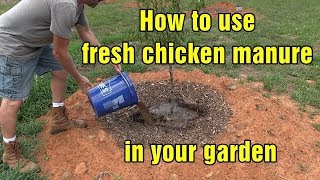
Image Source: i.ytimg.com
The Powerhouse of Nutrients: Why Chicken Manure?
Chicken droppings are a goldmine of essential nutrients for plant growth. They are particularly rich in nitrogen, phosphorus, and potassium – the big three macronutrients that plants crave. Beyond these, they also provide vital micronutrients like calcium, magnesium, and sulfur, all contributing to healthier, more vigorous plants and abundant harvests. Using chicken manure fertilizer is a sustainable way to boost your soil fertility without relying on synthetic chemicals.
Benefits of Chicken Manure for Your Garden:
- Nutrient-Rich: High levels of nitrogen promote leafy growth, phosphorus supports root development and flowering, and potassium contributes to overall plant health and disease resistance.
- Improves Soil Structure: As it breaks down, chicken manure adds organic matter to the soil. This organic matter helps to improve soil aeration, drainage, and water retention, creating a better environment for plant roots.
- Boosts Microbial Activity: The organic material and nutrients in chicken manure feed beneficial soil microbes, which in turn make nutrients more available to plants.
- Cost-Effective: If you have chickens, you have a readily available, free source of excellent garden amendment.
- Sustainable: Reduces waste and provides a natural alternative to chemical fertilizers.
The “Hot” Truth: Why You Can’t Use Fresh Chicken Poop Directly
Fresh chicken droppings are considered “hot” manure. This means they contain a very high concentration of nitrogen and other salts. If applied directly to plants, fresh manure can:
- Burn Plant Roots: The high ammonia content can damage or kill delicate plant roots.
- Damage Leafy Growth: Contact with leaves can cause scorch marks.
- Introduce Pathogens: Fresh manure can contain harmful bacteria like Salmonella and E. coli, which can be a risk to human health, especially if grown on vegetables that are eaten raw.
- Create Nutrient Imbalances: The sheer concentration of nutrients can overwhelm plants and soil.
Therefore, preparing chicken droppings for soil is crucial. The most effective and safest method is composting.
Mastering the Art of Composting Chicken Manure
Composting chicken manure transforms this potent resource into a balanced, nutrient-rich soil amendment that your plants will love. The composting process breaks down the manure, neutralizes harmful pathogens, and converts the nutrients into forms that plants can easily absorb.
What You’ll Need for Composting Chicken Manure:
- Chicken Manure: The primary ingredient!
- “Brown” Materials: These are carbon-rich materials that balance the “green” nitrogen in the manure. Examples include:
- Straw
- Hay
- Dried leaves
- Shredded newspaper or cardboard
- Wood chips or sawdust (use in moderation as they can tie up nitrogen during decomposition)
- “Green” Materials: These are nitrogen-rich materials. While chicken manure is a potent green, adding other greens can help create a more balanced compost pile. Examples include:
- Vegetable scraps
- Fruit peels
- Grass clippings (in moderation)
- Coffee grounds
- Water: To keep the compost pile moist.
- A Composting Bin or Pile: This can be a simple pile on the ground, a three-sided bin, or a tumbling composter.
The Golden Ratio: Balancing Greens and Browns
A successful compost pile needs a good balance of carbon (browns) and nitrogen (greens). The ideal ratio is often cited as approximately 25-30 parts carbon to 1 part nitrogen by weight. Since chicken manure is very high in nitrogen, you’ll need significantly more brown material than manure.
A good starting point for composting chicken manure is a ratio of 1 part chicken manure to 3 parts brown materials.
Step-by-Step Composting Guide:
- Gather Your Materials: Collect your chicken manure, bedding (if any), and a generous supply of brown materials.
- Layering the Compost:
- Start with a base layer of coarse brown material (like straw or twigs) to promote airflow.
- Add a layer of chicken manure.
- Cover the manure completely with a thick layer of brown material. This is the most important step to manage odor and prevent burning. Aim for at least 4-6 inches of browns for every inch of manure.
- Continue layering, alternating manure layers with thick layers of browns. If you’re adding other “green” materials like kitchen scraps, layer them in between the manure and brown layers.
- Moisture Management: The compost pile should be as damp as a wrung-out sponge. If it’s too dry, decomposition slows down. If it’s too wet, it can become anaerobic and smelly. Add water as needed when turning the pile.
- Aeration (Turning): This is crucial for providing oxygen to the microbes that break down the organic matter.
- Frequency: Turn the pile every 1-3 weeks. The more you turn it, the faster it will compost.
- Method: Use a pitchfork or compost aerator to mix the materials thoroughly, ensuring that the outer layers are moved to the center and vice versa.
- Temperature Monitoring (Optional but Recommended): A hot compost pile (130-160°F or 55-70°C) kills weed seeds and pathogens more effectively. You can monitor this with a compost thermometer. If the pile isn’t heating up, it might be too dry, lack nitrogen, or need more aeration.
- Patience and Time: The composting process can take anywhere from a few months to a year or more, depending on the materials, how often you turn it, and the weather conditions.
What Happens During Composting?
Microorganisms, primarily bacteria and fungi, consume the organic matter. Initially, aerobic bacteria (which need oxygen) thrive, generating heat. As decomposition progresses, other organisms like actinomycetes and fungi take over. The goal is to maintain aerobic conditions to prevent the production of foul odors and byproducts like ammonia.
What About “Aged” Chicken Poop?
Aged chicken poop refers to chicken manure that has been allowed to decompose for a period of time, typically at least 6 months, without active composting. While it’s better than fresh manure, it’s still not as balanced or pathogen-free as fully composted manure.
Using Aged Chicken Poop Safely:
- Dilution is Key: If you use aged chicken manure, it’s still advisable to mix it with a significant amount of soil or compost before applying it directly to your garden beds.
- Apply Well in Advance: Apply aged manure several weeks before planting, allowing it more time to break down further in the soil.
- Avoid Contact with Roots: Still try to avoid direct contact with plant roots.
Composting chicken manure is the superior method for using chicken waste in the garden because it guarantees a safer, more nutrient-balanced product.
Preparing Chicken Droppings for Soil: The No-Compost Method (with Caveats)
While composting is the gold standard, there are ways to prepare chicken droppings with less intensive composting. These methods involve allowing the manure to “age” and break down before use.
Method 1: The Simple Aging Piles
- Collect and Pile: Gather your chicken manure and bedding.
- Add Browns: Mix in a substantial amount of brown materials, at least a 4:1 or 5:1 ratio of browns to manure. This helps absorb moisture and reduce ammonia.
- Cover: Cover the pile with a tarp or a thick layer of straw/leaves.
- Wait: Let it sit for at least 6-12 months. Turn it occasionally if possible.
Method 2: The Chicken Coop Bedding Method
If you use absorbent bedding in your chicken coop, such as straw, wood shavings, or pine pellets, the manure mixes with the bedding over time. This creates a more balanced “product” that can be used with more caution.
- Allow Coop Bedding to Accumulate: Let the bedding sit in the coop for a few weeks or months.
- Remove and Age: Remove the soiled bedding from the coop.
- Further Aging (Optional but Recommended): Pile the soiled bedding outdoors with added brown materials and let it age for another few months.
- Application: This aged bedding can be mixed into garden beds a few weeks before planting.
Important Note: Even with aging, it’s difficult to guarantee that all pathogens are eliminated. For vegetables eaten raw, composting is the safest route.
How to Use Chicken Manure in the Vegetable Garden
Chicken manure for vegetable garden use is highly beneficial, providing the nutrients needed for robust growth and bountiful harvests.
Application Methods:
-
As a Compost Top Dressing: Once your chicken manure compost is fully broken down (dark, crumbly, and earthy-smelling), it’s ready to use.
- Spread a 1-2 inch layer of compost around your existing plants (keeping it a few inches away from the stems).
- Gently work it into the top layer of soil.
- Alternatively, simply leave it on the surface as a mulch, and rain and earthworms will incorporate it.
-
When Preparing New Beds:
- Incorporate into Soil: Mix a good amount of composted chicken manure into your soil when preparing garden beds before planting. Aim for a ratio of about 1 part compost to 4-5 parts soil.
- In the Planting Hole: For heavy feeders, you can add a small amount of composted chicken manure directly into the planting hole, mixing it with the soil.
-
As a Side Dressing:
- Apply composted manure around the base of growing plants, especially during their active growth phases.
- Gently fork it into the soil or water it in.
Best Plants for Chicken Manure:
While most plants benefit, certain vegetables are particularly responsive to the rich nutrients provided by chicken manure fertilizer:
- Leafy Greens: Lettuce, spinach, kale, collards, Swiss chard love the nitrogen for vigorous leaf growth.
- Fruiting Vegetables: Tomatoes, peppers, cucumbers, squash, beans, and peas respond well to the balanced nutrients for flowering and fruit production.
- Root Vegetables: Carrots, radishes, and beets benefit from the phosphorus for root development.
Timing Your Applications:
- Fall Application: Spread composted manure on garden beds in the fall. This allows it to further break down over winter and leach away any excess salts.
- Spring Preparation: Incorporate compost when preparing beds for spring planting.
- During the Growing Season: Side-dress plants as needed, especially if they show signs of nutrient deficiency.
Deciphering Chicken Manure pH and Nutrient Content
Understanding the characteristics of chicken manure helps in its proper application.
Chicken Manure pH:
Fresh chicken manure tends to be alkaline, with a pH ranging from 7.0 to 8.0, though it can sometimes be higher. This alkalinity can be beneficial for acidic soils but can also raise the pH of neutral or alkaline soils if applied in very large quantities. Composting helps to moderate the pH. As the organic matter breaks down, the pH of the finished compost is generally closer to neutral, often in the range of 6.5 to 7.5, making it suitable for most garden plants.
Chicken Manure Nutrient Content:
The nutrient content of chicken manure varies depending on the chicken’s diet, age, and the type of bedding used. However, it is generally very rich compared to other animal manures.
Here’s a general comparison (values are approximate and for dry matter):
| Nutrient | Chicken Manure | Cow Manure | Horse Manure |
|---|---|---|---|
| Nitrogen (N) | 1.1% – 1.5% | 0.25% | 0.30% |
| Phosphorus (P) | 0.8% – 1.0% | 0.15% | 0.25% |
| Potassium (K) | 0.6% – 0.9% | 0.20% | 0.40% |
| Calcium (Ca) | 1.0% – 1.5% | 0.30% | 0.35% |
| Magnesium (Mg) | 0.3% – 0.5% | 0.10% | 0.15% |
Note: These percentages can vary significantly.
This high nutrient concentration underscores the importance of composting chicken manure to avoid overwhelming your soil and plants. The composting process also helps to make these nutrients more available to plants over time.
Safe Use of Chicken Manure: Avoiding Pitfalls
Adhering to these guidelines ensures the safe use of chicken manure:
- Always Compost or Age: Never use fresh chicken manure directly on plants.
- Balance Your Compost: Ensure a good ratio of browns to greens in your compost pile.
- Thorough Composting: Aim for a finished compost that is dark, crumbly, and has an earthy smell. If it still smells strongly of ammonia or manure, it’s not ready.
- Avoid Over-Application: Even composted manure should be applied in moderation. Too much of a good thing can still be detrimental.
- Keep Away from Direct Plant Contact: When applying composted manure as a side dressing, keep it a few inches away from the plant stems.
- Wash Produce: Always wash fruits and vegetables thoroughly before consumption, especially if you’ve used manure in their vicinity.
Troubleshooting Your Chicken Manure Compost Pile
| Problem | Possible Cause | Solution |
|---|---|---|
| Smells like ammonia | Too much nitrogen (too many greens), not enough air | Add more brown materials, turn the pile to aerate. |
| Smells rotten/sour | Too wet, lack of air (anaerobic conditions) | Turn the pile to aerate, add dry brown materials to absorb excess moisture. |
| Not heating up | Too dry, not enough nitrogen, not enough volume | Add water, add more green materials (like kitchen scraps), ensure the pile is large enough (at least 3x3x3 ft). |
| Decomposition is slow | Pile is too dry, not enough aeration, materials are too large | Add water, turn more frequently, chop or shred larger materials. |
| Compost contains weed seeds | Pile did not get hot enough during composting | Ensure consistent temperatures of 130-160°F during hot composting phases; the aging pile method is less effective for killing seeds. |
Frequently Asked Questions (FAQ)
Q1: Can I put chicken manure in my worm bin?
A: Yes, but with caution. Worms can handle a small amount of aged chicken manure mixed with plenty of other bedding materials. Fresh manure can be too strong for them. Start with very small amounts and monitor your worms’ activity.
Q2: How long does it take for chicken manure to become safe to use?
A: Fully composted chicken manure is considered safe. This can take anywhere from 3 months to a year, depending on your composting method and management. Aged manure (6-12 months) is better than fresh, but composting is the most reliable way to neutralize pathogens.
Q3: Can I use chicken manure in a raised garden bed?
A: Absolutely! Raised beds benefit greatly from composted chicken manure. You can mix it into the soil when filling the beds or add it as a top dressing during the growing season.
Q4: What are the risks of using fresh chicken manure?
A: The primary risks are burning plant roots due to high ammonia content and potential pathogen contamination (like E. coli and Salmonella) which can pose a health risk.
Q5: How much composted chicken manure should I use?
A: A general guideline is to mix about 1 part composted manure with 4-5 parts soil when preparing beds, or apply a 1-2 inch layer as a top dressing around established plants. Avoid over-application.
By following these guidelines, you can effectively and safely harness the incredible power of chicken manure to create richer, more fertile soil, leading to a more productive and beautiful garden. Happy gardening!