
Yes, you can wash a blazer at home! While many blazers are marked “dry clean only,” some fabrics and construction methods allow for safe home washing. This guide will walk you through the best practices for cleaning your blazer without a trip to the professional blazer cleaning service, covering everything from delicate fabric care to effective blazer stain removal.
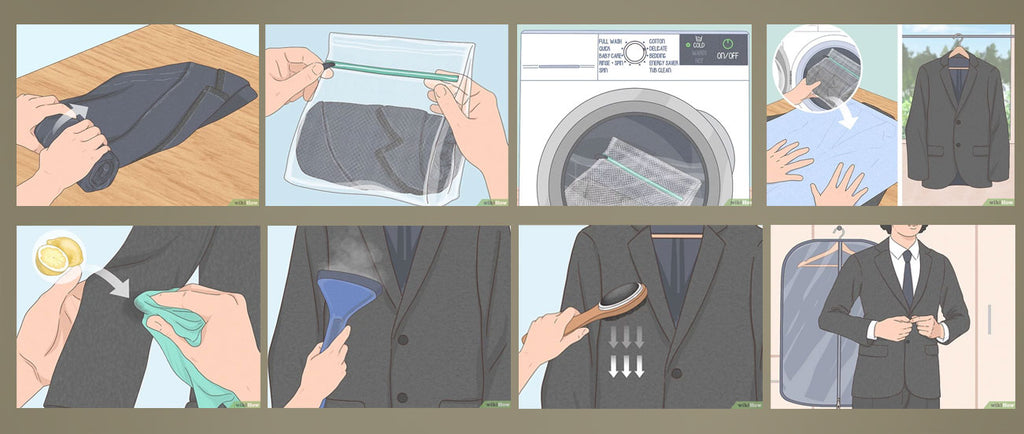
Image Source: cdn.shopify.com
Deciphering Blazer Care Labels: The First Step
Before you even think about water, a crucial step in caring for blazers is to examine the care label. This small tag, usually found inside the lining, is your roadmap to safe cleaning. Labels provide vital information about the fabric composition and recommended cleaning methods. Misinterpreting or ignoring these instructions can lead to irreversible damage, turning your favorite piece into a sad, misshapen garment.
Common Care Label Symbols to Look For:
| Symbol | Meaning |
|---|---|
| Tub with water | Washable (check water temperature) |
| Hand symbol | Hand wash only |
| Circle | Dry clean only |
| Triangle | Bleach allowed (usually only chlorine) |
| Square | Tumble dry allowed (check temperature) |
| Iron | Ironing allowed (check temperature) |
If the label explicitly states “Dry Clean Only” and offers no alternative, it’s best to err on the side of caution and seek professional blazer cleaning. However, many blazers made from wool, cotton, linen, or synthetic blends can be washed at home with the right approach.
Washing Suit Jacket: Key Considerations for Success
When washing a suit jacket, think about its construction. A well-made suit jacket often has canvas interlinings that can be damaged by excessive heat or agitation. This is where home laundry tips become invaluable. The goal is to clean without compromising the shape and structure of the garment.
Hand Washing Your Blazer: The Gentle Approach
For most washable blazers, especially those made from natural fibers like wool or silk blends, hand washing is the safest bet. It offers the most control over temperature, agitation, and the type of cleaning agent used, making it a prime dry cleaning alternative.
Steps for Hand Washing:
-
Preparation:
- Check for Stains: Address any specific blazer stain removal needs before immersing the entire garment. Spot treat as needed.
- Empty Pockets: Ensure all pockets are empty to prevent damage to their contents or the blazer.
- Close Fasteners: Button or zip up any closures to maintain the blazer’s shape.
-
Choose Your Basin:
- Use a clean sink, bathtub, or a large plastic basin. Ensure it’s free of any cleaning residues from previous use.
-
Water Temperature:
- Cool or Lukewarm Water: This is crucial for delicate fabric care. Hot water can cause shrinkage, fading, and damage to the fibers and interlinings. Aim for water that feels slightly cool or just barely warm to the touch.
-
Select the Right Detergent:
- Mild Detergent: Opt for a detergent specifically designed for delicates or woolens. These are pH-neutral and gentle, preventing harsh chemicals from stripping natural oils or damaging fibers. Avoid using regular laundry detergent, which can be too aggressive.
-
Washing Process:
- Submerge Gently: Submerge the blazer in the water, ensuring it’s fully saturated.
- Agitate Lightly: Gently swish the blazer around in the water. Avoid rubbing, wringing, or stretching the fabric. Think of it as giving the garment a gentle bath.
- Soaking Time: Allow the blazer to soak for about 10-20 minutes. For tougher stains, you might extend this slightly, but don’t leave it soaking for hours.
-
Rinsing:
- Drain and Refill: Drain the soapy water and refill the basin with clean, cool water.
- Gentle Swishing: Gently swish the blazer in the clean water to remove detergent residue. Repeat this rinsing process until no suds remain. This is a critical step in delicate fabric care.
-
Removing Excess Water:
- Do NOT Wring or Twist: This is a common mistake that can ruin the shape of your blazer.
- Press Gently: Lift the blazer from the water and gently press out as much water as possible without twisting. You can also lay it flat on a clean, thick towel and roll the towel up with the blazer inside to absorb excess moisture.
Machine Washing Your Blazer: Proceed with Extreme Caution
While hand washing is preferred for most blazers, some sturdier materials and simpler constructions might tolerate a machine wash. This is a more advanced technique and should only be attempted if the care label explicitly permits it or if you’ve had success with similar garments before. Machine wash blazer is risky.
Steps for Machine Washing (Use as a last resort and with extreme caution):
-
Consult the Care Label: This cannot be stressed enough. If it says “Dry Clean Only,” do not machine wash.
-
Use a Mesh Laundry Bag: Place the blazer inside a mesh laundry bag. This provides an extra layer of protection against snagging and excessive agitation.
-
Select the Right Cycle:
- Delicate Cycle or Hand Wash Cycle: These cycles use minimal agitation and slower spin speeds.
- Cold Water Setting: Always use cold water.
-
Choose a Gentle Detergent: Use the same mild, delicate-specific detergent recommended for hand washing.
-
Avoid Overloading the Machine: Wash the blazer by itself or with only a few other delicate items.
-
Skip the Spin Cycle (if possible): If your machine allows you to skip or reduce the spin speed, do so. High spin speeds can cause wrinkles and stretch the fabric.
Caring for Blazers: Drying and Shaping for Longevity
Proper drying is as important as washing when caring for blazers. Improper drying can lead to shrinkage, misshapen shoulders, and stubborn wrinkles.
Air Drying Your Blazer: The Natural Choice
Air drying is the safest and most recommended method for blazers after washing.
Steps for Air Drying:
-
Reshape Immediately: As soon as you remove excess water, gently reshape the blazer back to its original form. Pay close attention to the shoulders, lapels, and sleeves.
-
Use a Padded Hanger: Invest in good quality, wide, padded hangers. These are essential for maintaining the shoulder line and preventing stretching or creasing. Avoid wire hangers at all costs.
-
Hang in a Well-Ventilated Area: Hang the blazer on a sturdy hanger and place it in a location with good air circulation, away from direct sunlight or heat sources, which can cause fading or damage.
-
Lay Flat for Certain Fabrics: For very delicate fabrics or blazers with embellishments, laying them flat on a drying rack might be preferable to avoid stretching.
Ironing Your Blazer: Gentle Touch for a Crisp Finish
If your blazer needs a bit of pressing after drying, proceed with caution.
Ironing Tips:
- Check Fabric Type: Different fabrics require different heat settings. Always consult your care label.
- Use a Pressing Cloth: Place a clean cotton cloth (like a pillowcase or handkerchief) between the iron and the blazer. This protects the fabric from direct heat and prevents scorching or shine marks.
- Low to Medium Heat Setting: Start with the lowest appropriate heat setting for the fabric. You can gradually increase it if needed, but it’s better to be too cool than too hot.
- Iron from the Inside: For most blazers, ironing the lining or the inside seams first is a good practice.
- Steam Wisely: Steam can be helpful for removing wrinkles, but use it sparingly and ensure your iron is clean. Test the steam on an inconspicuous area first.
- Avoid Direct Ironing on Seams or Details: Iron around buttons, seams, and decorative elements to prevent crushing or damage.
- Hang Immediately: Hang the blazer on a padded hanger as soon as you finish ironing to prevent new wrinkles from forming.
Blazer Stain Removal: Tackling Common Blemishes
Accidents happen, and knowing how to tackle a stain on your blazer can save it from a trip to the dry cleaner. Always act quickly for the best results.
Common Stains and Home Treatment Methods:
| Stain Type | Recommended Treatment | Cautionary Notes |
|---|---|---|
| Grease/Oil | Dish Soap: Apply a small amount of mild dish soap directly to the stain. Gently rub it in with your finger or a soft toothbrush. Let it sit for 10-15 minutes, then rinse with cool water. Cornstarch/Talcum Powder: For fresh stains, cover generously with cornstarch or talcum powder to absorb the oil. Let it sit for several hours or overnight, then brush off and proceed with washing if needed. |
Avoid hot water initially, as it can set grease stains. |
| Ink | Rubbing Alcohol: Place a clean cloth or paper towel under the stain. Dab the stain with a cotton ball soaked in rubbing alcohol. Work from the outside in to prevent spreading. Rinse with cool water. Hairspray (Alcohol-based): Similar to rubbing alcohol, spray a small amount and blot. |
Test rubbing alcohol on an inconspicuous area first, as it can affect some dyes. |
| Food/Beverage | Cold Water: For many non-greasy food stains, rinsing with cold water immediately can be effective. Mild Detergent Solution: Mix a small amount of mild detergent with cool water and gently dab the stain. Rinse thoroughly. |
Avoid scrubbing vigorously. For colored beverages like wine or coffee, consider a specialized stain remover. |
| Makeup | Makeup Remover (Oil-free): Gently dab the stain with an oil-free makeup remover. Rinse with cool water. Shaving Cream: Apply a small amount of plain shaving cream (foam, not gel) to the stain, let it sit for a few minutes, then gently blot and rinse. |
Be cautious with oil-based makeup removers on delicate fabrics. |
General Blazer Stain Removal Tips:
- Blot, Don’t Rub: Rubbing can spread the stain and damage the fabric fibers.
- Test First: Always test any stain remover on an inconspicuous area of the blazer (like an inside seam) to ensure it doesn’t cause discoloration or damage.
- Work from the Outside In: This prevents the stain from spreading.
- Rinse Thoroughly: Ensure all traces of the stain remover are gone before proceeding with washing or drying.
- Repeat if Necessary: For stubborn stains, you may need to repeat the treatment process.
Dry Cleaning Alternatives: When Home Methods Aren’t Enough
While home washing is a great option for many blazers, sometimes a trip to the professional cleaner is unavoidable. Understanding when to choose professional blazer cleaning is part of effective caring for blazers.
When to Opt for Professional Cleaning:
- “Dry Clean Only” Label: As mentioned, this is the most definitive indicator.
- Delicate or Expensive Fabrics: Silk, velvet, rayon, and certain fine wools are often best left to the professionals.
- Complex Construction: Blazers with intricate lining, shoulder padding, or heavy embellishments may require specialized handling.
- Stubborn or Unknown Stains: If you’re unsure about the nature of a stain or if it’s set in, professional cleaning is usually the safest bet.
- Heavy Soiling: If the entire blazer is heavily soiled or has a persistent odor, professional cleaning can provide a deeper clean.
What to Discuss with Your Dry Cleaner:
- Fabric Content: Inform them about the material of your blazer.
- Previous Treatments: Let them know if you’ve attempted any home stain removal.
- Specific Concerns: Point out any areas of concern, like loose threads or delicate buttons.
Home Laundry Tips for Blazer Maintenance: Ongoing Care
Beyond washing, consistent maintenance plays a huge role in the longevity of your blazers. These simple home laundry tips can make a big difference.
Essential Blazer Care Practices:
- Regular Brushing: After each wear, use a soft-bristled garment brush to remove dust, lint, and surface debris. This helps maintain the fabric’s texture and appearance.
- Proper Storage:
- Hangers: Always use padded or wooden hangers that support the shoulders. Avoid thin wire hangers.
- Breathable Garment Bags: For longer-term storage, use breathable fabric garment bags rather than plastic. Plastic can trap moisture and lead to mildew.
- Avoid Overcrowding: Give your blazers enough space in the closet to prevent crushing and creasing.
- Deodorizing: If your blazer has absorbed odors but doesn’t appear dirty, you can air it out by hanging it outside on a dry, breezy day (away from direct sunlight). You can also lightly mist it with a fabric refresher spray.
- Steaming: A handheld garment steamer is an excellent tool for removing light wrinkles and refreshing the fabric between washes. Always check the fabric’s suitability for steaming.
- Rotating Your Wardrobe: Avoid wearing the same blazer day after day. Allowing garments to rest for a day or two helps them retain their shape and reduces wear and tear.
Cleaning Wool Blazer: Specialized Care for a Prized Fabric
Cleaning wool blazer requires specific attention due to its natural fibers, which can shrink or felt if not handled correctly.
Wool Washing: The Gentle Way
- Check the Label: Most wool items will specify “Dry Clean Only.” If it’s washable, follow these steps.
- Use Wool-Specific Detergent: These detergents are formulated to maintain the natural lanolin in wool, keeping it soft and supple.
- Cool Water and Gentle Cycle: As detailed above, cool water and the gentlest cycle (hand wash or delicate) are paramount.
- No Heat Drying: Never put wool in a dryer. Air dry by laying flat on a towel, reshaping it first.
- Ironing Wool: Use a steam iron with a pressing cloth on a low to medium wool setting.
Delicate Fabric Care: A Universal Approach
Whether it’s silk, a fine blend, or a blazer with intricate details, delicate fabric care is about minimizing stress on the garment.
Key Principles for Delicates:
- Cool Water: Always use cool or lukewarm water.
- Mildest Detergent: Opt for pH-neutral, specialized detergents.
- Minimal Agitation: Gentle swishing, no rubbing or wringing.
- No Heat: Avoid hot water, hot dryers, and hot irons.
- Air Dry: Always air dry, reshaping carefully.
- Protect During Washing: Use mesh bags for machine washing.
- Test First: Always test any cleaning solution on an inconspicuous area.
Frequently Asked Questions (FAQ)
Q1: Can I wash my blazer in the washing machine?
A1: You can machine wash a blazer only if the care label explicitly permits it. Always use the delicate cycle, cold water, and a mesh laundry bag. Hand washing is generally safer for most blazers.
Q2: How do I remove a wrinkle from my blazer without ironing?
A2: Hanging the blazer in a steamy bathroom for 15-20 minutes can help release wrinkles. A handheld garment steamer is also an excellent tool for this. You can also try the towel-rolling method mentioned earlier.
Q3: My blazer feels stiff after washing. What did I do wrong?
A3: Stiffness can occur if you used too much detergent, didn’t rinse thoroughly, or if the fabric was agitated too much. Ensure you use a mild detergent, rinse well, and avoid excessive scrubbing or wringing. For wool, using a wool-specific conditioner during the rinse can help maintain softness.
Q4: How often should I clean my blazer?
A4: It depends on how often you wear it and how dirty it gets. For suits worn frequently, consider cleaning every 3-5 wears or if you notice visible stains or odors. For occasional wear, cleaning once or twice a year might be sufficient, along with regular brushing and airing out.
Q5: Can I use bleach on my blazer?
A5: Only if the care label specifically indicates it is safe to use bleach (usually a triangle symbol). Most blazer fabrics, especially wool, silk, and darker colors, will be damaged by bleach. Always opt for non-chlorine bleach if the label permits.
By following these detailed steps and embracing these home laundry tips, you can confidently extend the life and pristine appearance of your blazers, keeping them looking sharp without relying solely on professional blazer cleaning.