
Can you water your garden while you’re away? Absolutely! A thriving garden doesn’t have to wilt just because you’re off on vacation. There are many smart solutions, from simple DIY tricks to sophisticated systems, that ensure your plants get the hydration they need during your absence. This guide explores how to keep your green companions happy and healthy while you enjoy your time away, addressing everything from short trips to extended vacations. We’ll delve into methods that cater to various garden sizes, plant types, and budgets, ensuring your plant care absence is worry-free.
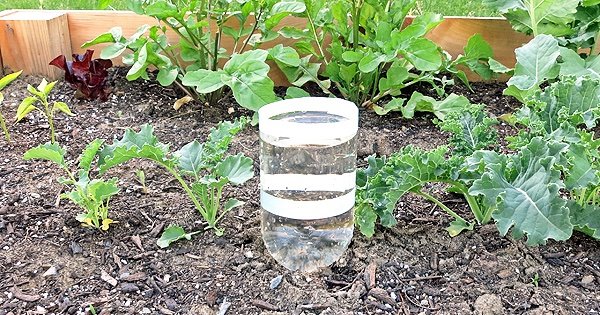
Image Source: dontwastethecrumbs.com
Preparing Your Garden for Your Departure
Before you even think about packing your bags, a little preparation goes a long way. The key is to set your garden up for success in your absence. This involves a multi-pronged approach, focusing on reducing water loss and ensuring consistent moisture.
H3: Pre-Trip Garden Checklist
- Water Thoroughly: The most crucial step is to water your plants deeply a day or two before you leave. This allows water to penetrate the soil, reaching the root systems effectively.
- Weed Removal: Weeds compete with your plants for water and nutrients. A thorough weeding session before you depart is essential.
- Mulching Mastery: Apply a generous layer of mulch around your plants. This is a vital step for soil moisture retention and significantly reduces evaporation. We’ll discuss effective mulching techniques later.
- Pruning for Efficiency: Lightly prune any overgrown or leggy plants. This reduces the plant’s overall water demand. Avoid heavy pruning, as this can shock the plant.
- Container Garden Considerations: Grouping container plants together can create a more humid microclimate, reducing water loss through transpiration. Placing them in a shaded area also helps.
Watering Solutions for Every Gardener
The best watering method for you will depend on your garden’s size, your plant types, the duration of your absence, and your budget. Here’s a breakdown of popular and effective solutions.
H3: DIY Watering Methods
These are great for shorter trips or if you have a smaller garden and want cost-effective solutions.
H4: Watering Globes
Watering globes are a classic and simple solution. These decorative glass or plastic globes are filled with water and inserted upside down into the soil. As the soil dries, it wicks water from the globe, providing a slow and steady release.
- Pros: Easy to use, visually appealing, good for potted plants and small garden beds, can last several days.
- Cons: May not be sufficient for very large gardens or during extreme heat, can be fragile if made of glass.
- Tip: For longer-lasting hydration, you can place a finger over the opening of the globe while inverting it into moist soil.
H4: The String-to-Water Method
This is a clever, low-tech approach for potted plants. Place a container of water (like a bucket or pitcher) on a slightly elevated surface next to your plant. Cut a length of cotton or wool string, ensuring one end is submerged in the water container and the other end is buried a few inches into the soil of your pot. The water will travel up the string via capillary action, delivering moisture to the soil.
- Pros: Inexpensive, simple to set up, works for individual plants.
- Cons: Effectiveness can vary depending on the string material and length, requires a water reservoir close by.
H4: DIY Soda Bottle Irrigation
This is a fantastic way to recycle plastic bottles. Poke small holes in the cap or near the bottom of a plastic bottle. Fill it with water, then quickly invert it and push the neck into the soil near your plant’s roots. The water will slowly seep out as the soil dries.
- Pros: Reuses plastic, very cheap, can be adjusted by the number and size of holes.
- Cons: May require frequent refilling for longer absences, can be less aesthetically pleasing.
H3: Self-Watering Planters
These ingenious containers have a built-in reservoir that holds water. A wicking system draws water up into the soil as the plant needs it. They are ideal for both indoor and outdoor potted plants.
- Pros: Provide consistent moisture, reduce the frequency of watering, excellent for busy gardeners, come in various sizes and styles.
- Cons: Can be more expensive than traditional pots, might require specific soil mixes for optimal performance.
H3: Advanced Watering Systems
For larger gardens, more demanding plants, or longer absences, automated systems are the most reliable solution.
H4: Automatic Irrigation Systems
These systems, often connected to your home’s water supply, can be programmed to water your garden at specific times and durations. They can range from simple timers to sophisticated smart systems that adjust watering based on weather forecasts.
- Pros: Highly customizable, efficient water delivery, can cover large areas, offers peace of mind.
- Cons: Higher initial cost, requires installation, potential for technical issues.
H4: Drip Irrigation Systems
Drip irrigation systems are a highly efficient method of watering. They deliver water directly to the root zone of plants through a network of tubes and emitters. This minimizes water waste through evaporation and runoff.
- Pros: Conserves water, reduces weed growth by keeping soil surface dry, promotes healthier root systems, can be automated with timers.
- Cons: Requires planning and installation, can be clogged by debris if not maintained.
H4: Soaker Hoses
Similar to drip irrigation, soaker hoses are porous hoses that “weep” water along their entire length. They are excellent for established garden beds, borders, and hedges, delivering water slowly and deeply into the soil.
- Pros: Gentle watering, reduces water loss, promotes deep root growth, relatively easy to set up for garden beds.
- Cons: Can be less precise for individual plants than drip emitters, may require strategic placement.
H3: Leveraging Nature’s Help
Don’t forget to utilize natural methods to conserve water and provide a healthier environment for your plants.
H4: Rain Barrels Garden Integration
Collecting rainwater in rain barrels garden setup is a sustainable way to provide water for your plants. While this won’t directly water your garden while you’re away unless connected to an automated system, having a substantial reserve of water can be beneficial for a neighbor or a temporary manual watering system.
- Pros: Eco-friendly, reduces reliance on municipal water, provides a readily available water source.
- Cons: Dependent on rainfall, initial setup required, water needs treatment for some applications.
H4: Enhancing Soil Moisture Retention
Improving your soil’s ability to hold water is a fundamental strategy for soil moisture retention.
- Adding Organic Matter: Incorporate compost, well-rotted manure, or other organic materials into your soil. This improves soil structure, allowing it to absorb and retain more water.
- Mulching Techniques: As mentioned earlier, mulch is your best friend.
- Organic Mulches: Wood chips, bark, straw, shredded leaves, and compost are excellent choices. They decompose over time, adding nutrients to the soil.
- Inorganic Mulches: Gravel or stones can be used in certain garden designs, but they don’t offer the soil-enriching benefits of organic mulches.
- Application: Apply a layer of 2-4 inches of mulch around your plants, keeping it a few inches away from the stems to prevent rot.
H3: Getting Help from Others
Sometimes, the best solution is to enlist the help of a trusted friend, family member, or professional.
H4: The Neighborly Network
Asking a neighbor to water your garden is a classic approach. Provide clear, written instructions, including which plants need watering, how much water they need, and when. It’s also a good idea to have them check on your plants periodically, not just for watering but also for any pest or disease issues.
- Tips for Success:
- Detailed Instructions: Create a simple watering schedule and map of your garden.
- Easy Access: Ensure they know where to find hoses, watering cans, or access to your irrigation system.
- Reciprocity: Offer to water their plants in return.
- Compensation: For extended absences or if your neighbor is very busy, consider offering a small gift or payment.
H4: Professional Garden Services
For those with extensive gardens or who prefer a hands-off approach, professional garden maintenance services are available. These services can offer regular watering, monitoring, and general upkeep.
- Pros: Professional expertise, reliable service, peace of mind.
- Cons: Can be the most expensive option.
Matching Solutions to Your Garden Needs
Let’s consider specific scenarios to help you choose the best approach.
H3: Short Trips (2-4 Days)
- Container Plants: Watering globes, DIY soda bottle irrigation, or a quick visit from a neighbor. Grouping pots in a shaded area also helps.
- In-Ground Plants: Deep watering before you leave, generous mulching. A neighbor’s quick check-in can be beneficial.
H3: Medium Trips (5-10 Days)
- Container Plants: Self-watering planters are ideal. For a larger number of pots, a simple drip irrigation system on a timer is excellent.
- In-Ground Plants: Drip irrigation systems or soaker hoses on a timer are highly recommended. Enhancing soil moisture retention with deep mulching is crucial.
H3: Long Vacations (More Than 10 Days)
- Container Plants: Automated drip irrigation with a smart timer that can adjust to weather is the most reliable. Consider larger self-watering planters or a more robust watering globes system with multiple units per plant.
- In-Ground Plants: A fully automated drip irrigation system or soaker hoses set on a timer is essential. Ensure your system is tested before you leave. Enlisting a trusted neighbor for a check-in is still a good backup.
Water Conservation in Your Absence
It’s not just about keeping plants alive; it’s also about using water wisely.
H3: Smart Watering Practices
- Watering Times: If you have an automated system, schedule watering for early morning or late evening to minimize evaporation.
- Targeted Watering: Drip irrigation systems and soaker hoses deliver water directly to the roots, making them far more efficient than overhead sprinklers.
- Monitoring: Even with automated systems, it’s wise to have a neighbor or service check that the system is functioning correctly and not over or under-watering.
H3: The Role of Mulch
Mulching techniques are a cornerstone of water conservation. A good layer of mulch acts like a blanket for your soil, significantly reducing moisture loss from the surface. It also helps regulate soil temperature, protecting roots from extreme heat.
H3: Soil Health for Better Water Retention
Healthy soil is key to good soil moisture retention. Amend your soil regularly with organic matter. This improves its structure, allowing it to act like a sponge, soaking up and holding water for longer periods. Compacted soil, on the other hand, drains quickly and doesn’t hold moisture well.
Maintenance and Troubleshooting
Even the best systems can encounter issues.
H3: Checking Your System Before You Leave
- Test Run: Always run your chosen watering system for a few days before your trip to ensure it works correctly.
- Water Source: Make sure water sources are accessible and unobstructed. If using a timer connected to a tap, ensure the tap is fully open.
H3: Potential Problems and Solutions
- Clogged Emitters (Drip Irrigation): Regularly clean or replace emitters, especially if you have hard water or debris in your water supply. Installing a filter at the beginning of your system can prevent this.
- Timer Malfunctions: Ensure your timer has fresh batteries or is properly connected to a power source. Some smart timers can send alerts if they have issues.
- Leaks: Check all connections for leaks before you leave. A small leak can waste a significant amount of water over time.
- Overwatering/Underwatering: Monitor your plants and soil moisture levels during your test run. Adjust the duration or frequency of watering as needed.
Frequently Asked Questions (FAQ)
H3: How long will watering globes last?
Watering globes can typically last anywhere from 2-7 days, depending on the size of the globe, the soil type, and the plant’s water needs and environmental conditions.
H3: Can I use my rain barrel to water my garden automatically?
Yes, you can connect a pump and timer to your rain barrel garden system to automate watering, similar to how you would with a tap.
H3: What are the best mulching techniques for retaining soil moisture?
Applying a 2-4 inch layer of organic mulch like wood chips, straw, or compost around your plants, keeping it a few inches away from the stems, is highly effective for soil moisture retention.
H3: How often should I water my plants before I leave for vacation?
Watering your plants deeply a day or two before you leave is the best approach. This ensures the soil is thoroughly moist.
H3: What is the difference between drip irrigation and soaker hoses?
Both deliver water efficiently, but drip irrigation systems use emitters to release water in precise drops at specific points, ideal for individual plants. Soaker hoses are porous and “weep” water along their entire length, making them suitable for rows or beds.
H3: Is it better to group potted plants when I’m away?
Yes, grouping potted plants creates a more humid microclimate, which helps reduce water loss through transpiration, especially in hot or windy conditions.
By implementing these smart solutions, you can ensure your garden remains vibrant and healthy, even when you’re away enjoying a well-deserved break. Happy travels and happy gardening!