
What is the average hallway width in a home? The average hallway width in a home typically falls between 3 to 4 feet (approximately 90 to 120 cm). However, this can vary based on the age of the home, its layout, and specific building codes.
A hallway is more than just a passage connecting rooms; it’s a vital part of your home’s flow and functionality. Knowing the dimensions of your hallways, from the minimum hallway width residential requirements to how they influence the home design hallway size, is crucial for both comfort and practicality. Whether you’re renovating, buying a new home, or simply trying to maximize your current space, understanding hallway widths can make a significant difference.
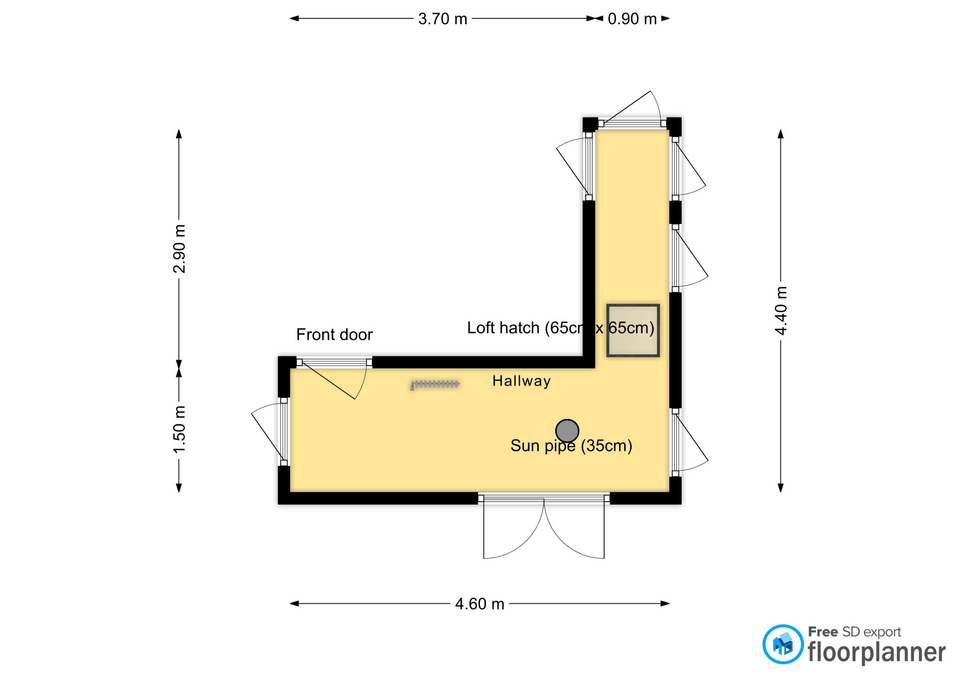
Image Source: design-tips.floorplanner.com
Deciphering Hallway Dimensions: What You Need to Know
The width of a hallway directly impacts how a space feels and functions. A well-proportioned hallway enhances flow, accessibility, and even the aesthetic of your home.
Standard Hallway Widths: The Baseline
When we talk about hallways, there’s a general range that most homeowners are familiar with. This range is often dictated by common building practices and the need for basic functionality.
- Typical Range: Most residential hallways are designed to be between 3 feet (91.4 cm) and 4 feet (121.9 cm) wide. This range allows for comfortable passage of one or two people.
- Older Homes: Homes built many decades ago might have narrower hallways, sometimes as little as 2.5 feet (76.2 cm). This was often due to different lifestyle expectations and construction methods of the time.
- Newer Construction: Modern building standards and a greater emphasis on spaciousness often lead to hallways that are 3.5 feet (106.7 cm) or wider.
Building Codes and Minimum Hallway Width
Building codes exist to ensure safety and accessibility. These codes are particularly important when it comes to hallways, as they can affect how easily people can move through your home.
Residential Building Code Hallway Width
The building codes hallway width varies by region and country, but there are common threads. These codes often set a minimum requirement to ensure safety and basic usability.
- Local Regulations: Always check your local building codes. These are the definitive source for minimum requirements in your area.
- General Minimums: In many places, the minimum hallway width residential code might be around 36 inches (91.4 cm) for main corridors. However, this can sometimes be less for secondary hallways or in older, pre-existing structures that are not undergoing major renovations.
Accessible Hallway Dimensions: Planning for Everyone
Accessibility is a growing consideration in home design. This means thinking about how people with different mobility needs will navigate your home.
Wheelchair Accessible Hallway Width
For a hallway to be wheelchair accessible hallway width, it needs to be significantly wider than a standard hallway. This allows for the comfortable passage and turning radius of a wheelchair.
- ADA Guidelines: The Americans with Disabilities Act (ADA) provides guidelines for accessible spaces. For hallways, this typically means a minimum clear width of 36 inches (91.4 cm).
- Turning Space: Crucially, accessible hallways also need to account for turning space. A clear turning space of at least 60 inches (152.4 cm) in diameter or a T-shaped space is often required at the end of hallways or at points where a turn is necessary.
- Practical Width: While 36 inches is the minimum clear width, many designers recommend 42-48 inches (106.7-121.9 cm) for accessible hallways to allow for easier passage, especially if someone is assisting a wheelchair user or if the wheelchair user is more independent.
Accessible Hallway Dimensions: Beyond Wheelchairs
Accessibility isn’t just about wheelchairs. It also includes considerations for:
- Strollers: Parents with strollers will appreciate wider hallways.
- Mobility Aids: People using walkers or canes can also benefit from more space.
- Temporary Mobility Issues: Anyone recovering from an injury might find narrower hallways challenging.
The Impact of Hallway Size on Home Design
The home design hallway size has a profound effect on the overall feel and functionality of your home. It’s not just about getting from point A to point B; it’s about the experience of moving through your home.
Wide Hallway Aesthetic: Openness and Elegance
A wide hallway aesthetic can transform a functional passage into an attractive feature of your home.
- Sense of Space: Wider hallways can make a home feel larger and more open. They can create a sense of grandeur, especially in larger homes or entryways.
- Decorative Opportunities: A wider hallway provides more wall space for artwork, photographs, or decorative features. You can also place furniture like consoles, benches, or small tables without impeding flow.
- Light Distribution: Wider hallways can help distribute natural light from windows or skylights more effectively throughout the home.
Narrow Hallway Solutions: Maximizing and Enhancing
Conversely, narrow hallway solutions are often needed in smaller homes or in older properties where widening isn’t feasible. The goal is to make the most of the existing space and create a more pleasant experience.
- Smart Lighting: Good lighting is key to making a narrow hallway feel larger and less claustrophobic. Use ceiling lights, wall sconces, and even small accent lights to brighten the space.
- Color and Mirrors: Light paint colors can reflect light and make the hallway appear wider. Strategically placed mirrors can also create an illusion of depth and space.
- Wall Treatments: Consider vertical stripes or subtle patterns on the walls to draw the eye upward, making the hallway feel taller.
- Door Placement: The placement of doors leading off a narrow hallway is important. Ensure they open into rooms without blocking the main thoroughfare when in use.
- Declutter: The most important solution for a narrow hallway is to keep it clutter-free. Avoid placing furniture or storage items in the hallway that could obstruct passage.
Functional Hallway Measurements: More Than Just Width
While width is a primary concern, other measurements contribute to a hallway’s functionality and how it integrates into your home.
Standard Interior Door Width and Hallways
The standard interior door width plays a critical role in how hallways are perceived and used.
- Common Widths: The most common standard interior door width in residential homes is 30 to 32 inches (76.2 to 81.3 cm). Wider doors, such as 36 inches (91.4 cm), are also common, especially for main entrances to rooms or closets.
- Impact on Hallway: When a standard 30-inch door opens into a 3-foot (36-inch) hallway, it can significantly restrict the available passage space, especially if the door swings fully open. This is why accessible design often considers door swings and hallway width together.
Entrance Hallways vs. Interior Hallways
Not all hallways are created equal. The purpose and location of a hallway can influence its ideal dimensions.
- Entrance Hallways: These areas often serve as a welcome space and a transition from the outdoors. They might be wider to accommodate guests, coat racks, or console tables. An entrance hallway might be 4 feet (121.9 cm) or even wider to make a grand statement.
- Interior Hallways: These connect different parts of the home. Their dimensions are often more practical, balancing space efficiency with comfort. The average hallway width of 3 to 4 feet is typical for these interior connections.
- Secondary Hallways: Hallways leading to less-used areas, like basements or attics, might be narrower, but they still need to meet minimum safety and accessibility standards.
Practical Considerations for Your Hallways
Thinking about your hallways in practical terms helps ensure they serve their purpose effectively and contribute positively to your living environment.
Furniture and Decor in Hallways
Hallways are often seen as purely transitional spaces, but they can also be styled.
- Hallway Tables: A slim console table can add functionality and style without taking up too much space. Consider the depth of the table in relation to the hallway width.
- Artwork and Photos: Wall-mounted items are a great way to personalize a hallway. Ensure they don’t protrude too far into the passage.
- Lighting Fixtures: Sconces or flush-mount ceiling lights are good choices for hallways, especially narrower ones, to avoid head bumps.
Hallway Width and Traffic Flow
The width of your hallways directly impacts how easily people can move through your home.
- High-Traffic Areas: Hallways that see a lot of foot traffic, such as those leading to the kitchen, living room, or multiple bedrooms, should ideally be wider to prevent congestion.
- Meeting People: A hallway that is only 3 feet wide can feel cramped when two people meet and need to pass each other. A 4-foot width or more allows for much easier two-way traffic.
When is a Hallway Too Narrow?
Determining when a hallway is too narrow is subjective to some extent, but there are objective measures based on functionality and safety.
Signs of a Narrow Hallway Problem
- Difficulty Passing: If people frequently have to turn sideways or squeeze past each other, the hallway is likely too narrow for comfortable use.
- Obstacles: If you can’t place a standard-sized piece of furniture like a small console table or a plant without blocking passage, it indicates a very narrow space.
- Accessibility Issues: If a hallway is too narrow for someone using a walker, a cane, or a wheelchair, it’s a clear indicator of a functional problem.
- Feeling Claustrophobic: If the hallway consistently makes you or your guests feel confined, it’s likely impacting the overall comfort of the home.
Addressing Narrow Hallway Solutions
If you’re facing challenges with narrow hallways, here are some proven strategies:
- Relocate Doors: Sometimes, simply changing the swing direction of a door can significantly improve hallway usability.
- Slimmer Furniture: Opt for furniture with a shallower depth. Wall-mounted shelves or narrow console tables are excellent choices.
- Strategic Mirrors: As mentioned before, mirrors are powerful tools for creating the illusion of greater width.
- Vertical Design Elements: Use wall art or wallpaper with vertical patterns to guide the eye upwards, making the space feel taller and more open.
- Lighting: Ensure the hallway is well-lit. Consider adding recessed lighting or wall sconces to brighten it up.
Hallway Dimensions and Accessibility Standards Table
To provide a clearer picture, let’s look at some key dimensions and what they mean for accessibility.
| Feature | Minimum Recommended Width | Ideal Width | Notes |
|---|---|---|---|
| Average Hallway Width | 3 feet (91.4 cm) | 3.5 – 4 feet (106.7-121.9 cm) | Comfortable for two people passing. |
| Minimum Hallway Width Residential | 36 inches (91.4 cm) | N/A | Often dictated by building codes for general passage. |
| Wheelchair Accessible Hallway Width | 36 inches (91.4 cm) clear | 42 – 48 inches (106.7-121.9 cm) | Must maintain this clear width throughout. |
| Turning Space (Accessible) | N/A | 60-inch diameter or T-shape | Required at ends or turns for wheelchair maneuverability. |
| Standard Interior Door Width | 30 inches (76.2 cm) | 32-36 inches (81.3-91.4 cm) | Doors opening into hallways affect usable passage space. |
Frequently Asked Questions About Hallway Widths
Q1: What is the absolute minimum hallway width allowed by most building codes?
A1: While local codes vary, the absolute minimum clear width for a hallway in residential construction is often around 36 inches (91.4 cm). However, this can sometimes be less for secondary or utility hallways. Always verify your local building codes.
Q2: Can I put furniture in a narrow hallway?
A2: Yes, you can, but you need to be strategic. Opt for shallow console tables, wall-mounted shelves, or narrow benches. Ensure that any furniture placed in the hallway does not obstruct the required passage width, especially if accessibility is a concern. The goal is to maintain functional hallway measurements.
Q3: How can I make my narrow hallway feel wider?
A3: To combat a narrow hallway feel, use light paint colors, mirrors to create an illusion of depth, and ensure excellent lighting. Vertical patterns on walls or artwork can also draw the eye upward, making the space feel taller. Keeping the hallway decluttered is paramount.
Q4: What is the ideal hallway width for a modern home design?
A4: For a modern home design that prioritizes flow and comfort, an ideal hallway width would be between 4 feet (121.9 cm) and 6 feet (182.9 cm). This allows for a more generous and often luxurious feel, and easily accommodates the wide hallway aesthetic.
Q5: Do hallway dimensions change if there are stairs involved?
A5: Yes, hallways that lead to or from staircases have specific requirements. The area at the top and bottom of stairs, often called a landing, must have adequate clear space for safe passage and maneuvering, which can influence the overall hallway dimensions in that vicinity.
Q6: How does the standard interior door width affect my hallway?
A6: A standard interior door width of 30-32 inches can significantly reduce the usable space in a hallway when open. If your hallway is narrow, consider doors that swing inward into rooms or opt for sliding doors to maximize hallway passage.
By paying attention to hallway dimensions, you can ensure your home is not only beautiful but also functional, accessible, and comfortable for everyone who lives in or visits it.