
Do you find yourself asking, “Why do I have ants in my kitchen?” If so, you’re not alone. The most common culprits are sugar ants, carpenter ants, and pavement ants, all seeking food and water. This guide will delve into the reasons behind these unwelcome visitors and provide comprehensive solutions for kitchen ant control.
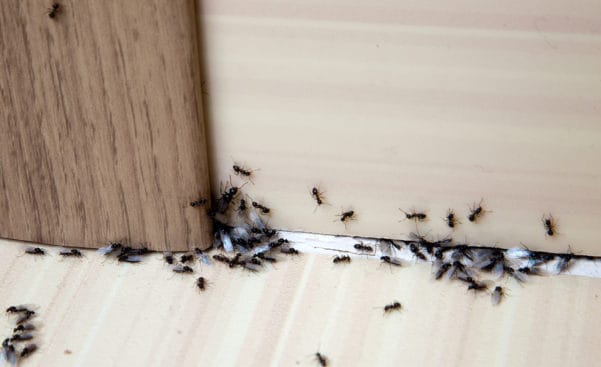
Image Source: www.callnorthwest.com
The Allure of the Kitchen: What Draws Ants In?
Your kitchen is a veritable buffet for ants. It’s a place where food is stored, prepared, and often, spilled. Ants are tiny creatures with a massive appetite, and they are highly motivated to find it. Let’s explore the primary attractants that turn your culinary haven into a dining destination for these small insects.
Crumbs and Spills: The Obvious Culprits
It might seem obvious, but even the smallest crumb or a sticky residue can be a beacon for ants.
- Sweeteners: Sugar, honey, syrup, jam, and even the residue left behind by a spilled soda are incredibly attractive to ants. They have a high preference for sugary substances.
- Grease and Fats: Ants also seek out fats and proteins. Leftover grease on your stovetop, under appliances, or on dishes can be a significant draw.
- Food Scraps: Even tiny bits of food left on counters, tables, or in the sink can be enough to attract a scouting ant.
Water Sources: A Thirst for Moisture
Beyond food, ants need water to survive. Your kitchen, unfortunately, often provides accessible water sources.
- Leaky Faucets: A dripping faucet in the sink or a leak under it creates a constant supply of water.
- Condensation: Moisture from cooking, dishwashers, or even a humid environment can lead to condensation on pipes, under sinks, or around windows.
- Pet Water Bowls: If you have pets, their water bowls can be a tempting water source.
- Standing Water: Any water left in plant saucers, on sink drains, or in the bottom of your dishwasher can attract ants.
Shelter and Nesting Sites: A Place to Call Home
Sometimes, ants aren’t just passing through for a snack; they’re looking for a place to live.
- Cracks and Crevices: Small openings in walls, around windows and doors, or under cabinets provide ideal entry points and potential nesting locations.
- Damp Areas: Areas with persistent moisture, like under sinks or behind appliances, can be prime real estate for ants to build their nests.
- Wood Damage: Carpenter ants, specifically, are drawn to damp or decaying wood, which they excavate to build their nests. This can include structural wood, wooden cabinets, or even cardboard boxes stored in damp areas.
Decoding Ant Behavior: Following the Trail
Observing ant behavior is key to understanding why do I have ants in my kitchen? Ants are incredibly organized, and their movements are not random.
The Mighty Ant Trail
When a scout ant finds a food or water source, it lays down a pheromone trail. This invisible chemical pathway guides other ants from its colony to the food.
- Pheromone Communication: This is how ants communicate and coordinate their efforts. The stronger the pheromone trail, the more ants will follow it.
- Identifying Trails: You’ll often see ant trails leading from a crack in the wall, a window, or an entry point directly to your food source, like a sugar bowl or a spilled juice box. They can be quite direct and efficient.
Colony Structure and Scouting
Ant colonies are complex societies with different roles.
- Scout Ants: These are the ants you typically see first. They venture out to find resources for the colony.
- Worker Ants: Once a food source is identified, worker ants will emerge in larger numbers to collect and transport the food back to the nest.
- The Nest: The colony itself might be located outside your home (in the soil, under rocks, in tree stumps) or, in some cases, within the walls of your house.
Identifying Your Kitchen Invaders: Common Ant Species
Knowing which type of ant you’re dealing with can help in selecting the most effective kitchen ant control methods.
Sugar Ants (Odorous House Ants)
- Appearance: Small (about 2.5-3 mm), light to dark brown. They emit a characteristic unpleasant, “rotten coconut” or “sour” smell when crushed.
- Attraction: Primarily to sweets and other food scraps.
- Nesting Habits: Prefer moist areas and can nest in wall voids, under floorboards, or even in potted plants.
Carpenter Ants
- Appearance: Larger ants (can be 6-18 mm long), often black, but can also be reddish-brown or a combination. They do not smell when crushed.
- Attraction: Primarily to protein and sweets. They are attracted to moisture.
- Nesting Habits: Crucially, carpenter ants excavate wood to build their nests. They are a structural concern and often indicate moisture problems or decaying wood within your home’s framework, like in door frames, window sills, or joists. You might see sawdust-like material (frass) near their entry points.
Pavement Ants
- Appearance: Small (about 2-3 mm), dark brown to black.
- Attraction: Will eat almost any food, including sweets, grease, and protein.
- Nesting Habits: Typically nest outdoors in soil, under pavement, sidewalks, or in cracks. They often forage indoors in search of food.
Pharaoh Ants
- Appearance: Very small (about 1.5-2 mm), pale yellow to reddish-brown.
- Attraction: Attracted to sweets, fats, and protein.
- Nesting Habits: Can nest in a wide variety of locations, including wall voids, behind baseboards, and even in electrical outlets. They are notoriously difficult to eliminate and can spread rapidly.
Causes of Ants in Kitchen: A Deeper Dive
Beyond the immediate attractants, several underlying factors can contribute to persistent ant infestations.
Inadequate Sanitation
This is the most common reason for ants in your kitchen.
- Food Left Out: Leaving food, especially sugary or greasy items, exposed on counters or tables.
- Dirty Dishes: Unwashed dishes in the sink or dishwasher, even for a short period.
- Unsealed Food Containers: Not properly sealing packages of cereal, sugar, flour, or pet food.
- Trash Cans: Overflowing or improperly sealed trash cans, especially those containing food waste.
- Floors: Sticky residue from spills, crumbs under cabinets, or food particles tracked from other rooms.
Entry Points
Ants are masters at finding ways into your home.
- Cracks in Foundations: Gaps in your home’s foundation allow ants to enter from the exterior.
- Gaps Around Windows and Doors: Poorly sealed frames or weatherstripping.
- Utility Line Entry Points: Gaps where pipes or wires enter the house.
- Ventilation Systems: Small openings in dryer vents or other ventilation systems.
- Pet Doors: A common entry point if not properly maintained.
Moisture Issues
Persistent moisture problems can create attractive nesting sites and encourage ant activity.
- Leaking Pipes: Under sinks, behind appliances, or in walls.
- Poor Ventilation: In bathrooms or kitchens, leading to condensation.
- Dampness in Basements or Crawl Spaces: Can attract ants that then forage into the kitchen.
- Overwatered Houseplants: The soil in plant pots can become a nesting site.
Nesting Indoors
While most ants nest outdoors, some species can establish nests within your home.
- Wall Voids: Empty spaces within your walls are ideal for many ant species.
- Under Floors or Baseboards: Especially in areas with moisture.
- Behind Appliances: The warmth and potential moisture can be attractive.
- Cardboard Boxes: Damp cardboard can be used by some ants for nesting.
Tackling the Ant Invasion: Effective Kitchen Ant Control
Dealing with an ant problem requires a multi-pronged approach, focusing on eliminating existing ants and preventing future infestations.
Step 1: Eliminate the Attractants – Deep Cleaning is Key
This is the most critical step in any kitchen ant control strategy. If there’s no food or water, ants will eventually leave.
Thorough Cleaning Practices:
- Wipe Down Surfaces Daily: Use a damp cloth or a diluted vinegar solution to wipe down countertops, tables, and stovetops. Pay attention to sticky spots.
- Clean Up Spills Immediately: Don’t let spills sit. Wipe them up promptly and thoroughly.
- Wash Dishes Promptly: Don’t leave dirty dishes in the sink. Rinse them and load them into the dishwasher or wash them by hand.
- Sweep and Mop Floors Regularly: Especially in the kitchen and dining areas, ensure no crumbs are left behind.
- Empty Trash Cans Frequently: Use bins with tight-fitting lids and take the trash out daily, especially if it contains food scraps.
- Store Food Properly:
- Airtight Containers: Use glass, metal, or sturdy plastic containers for sugar, flour, cereal, pasta, pet food, and any other dry goods.
- Seal Packets: Ensure bags of chips, crackers, or other snacks are sealed tightly or transferred to airtight containers.
- Clean Appliances: Regularly pull out and clean under and behind refrigerators, stoves, and dishwashers to remove accumulated food particles and grease.
- Pet Food Management: Don’t leave pet food out all day. Feed pets at specific times and clean up any uneaten food and water bowls.
Step 2: Seal Entry Points – Block Their Access
Preventing ants from getting into your kitchen in the first place is crucial.
Sealing Strategies:
- Inspect and Seal Cracks: Use caulk to seal any cracks or crevices in walls, baseboards, around windows, doors, and where pipes or wires enter your home.
- Check Window and Door Seals: Ensure weatherstripping is intact and seals tightly.
- Repair Damaged Screens: Fix any holes in window or door screens.
Step 3: Eliminate Moisture – Dry Out Their Havens
Addressing moisture issues can significantly reduce the appeal of your kitchen for ants.
Moisture Control Tips:
- Fix Leaks: Repair any dripping faucets, leaky pipes under sinks, or dishwasher leaks.
- Improve Ventilation: Ensure your kitchen and bathroom fans are working properly to reduce humidity.
- Wipe Down Wet Surfaces: Dry off sinks and countertops after use.
- Check for Condensation: Monitor areas prone to condensation and address the cause.
Step 4: Targeted Treatment – Dealing with Existing Ants
Once you’ve addressed the sanitation and entry points, you’ll need to deal with the ants you can see.
Methods for Eliminating Ants:
- Follow the Ant Trails: Observe where the ants are coming from and going to. This helps pinpoint entry points and potential nest locations.
-
Natural Deterrents: Many natural solutions can deter ants.
- Vinegar Solution: Mix equal parts white vinegar and water in a spray bottle. Spray it directly on ant trails and entry points. Vinegar disrupts their pheromone trails and kills ants on contact.
- Lemon Juice: Similar to vinegar, lemon juice can disrupt scent trails. Wipe down surfaces with lemon juice or place lemon peels near entry points.
- Peppermint Oil: Ants dislike the strong scent of peppermint. Place a few drops on cotton balls and position them near entry points or problem areas. You can also mix it with water and spray.
- Cinnamon: A sprinkle of cinnamon powder can act as a barrier, and ants generally avoid crossing it.
- Coffee Grounds: Used coffee grounds can be placed around potential entry points outside your home.
- Cornmeal: Some believe cornmeal can kill ants, though scientific evidence is mixed. It’s thought that ants eat it, but cannot digest it properly.
- Chalk or Baby Powder: Creating a powdery barrier can sometimes deter ants, as they dislike crossing these fine particles.
-
Ant Baits: These are highly effective for kitchen ant control.
- How Baits Work: Ant baits contain a slow-acting poison mixed with an attractant (usually sweet). Worker ants eat the bait and carry it back to the colony, where it’s shared with other ants, including the queen. This can effectively eliminate the entire colony.
- Placement: Place baits along ant trails and near suspected entry points, but out of reach of children and pets.
- Types of Baits: Gel baits, liquid baits, and bait stations are available. Choose a bait formulated for the type of ant you suspect you have, if possible.
- Patience is Key: It can take a few days to a week or more for baits to work effectively as the poison needs to reach the colony.
-
Insecticides (Use with Caution): While available, chemical sprays should be a last resort, especially in the kitchen.
- Spot Treatment: If used, apply them directly to ant trails or cracks where ants are entering, not on food preparation surfaces.
- Read Labels Carefully: Always follow product instructions and safety precautions.
- Ventilation: Ensure good ventilation when using any chemical sprays.
Step 5: Preventing Future Ant Problems – Long-Term Strategies
Once you’ve successfully eliminated your current ant issue, focus on preventing ants from returning.
Ongoing Prevention Tips:
- Maintain Impeccable Sanitation: Continue with regular, thorough cleaning. This is the cornerstone of prevention.
- Secure Food Storage: Always keep food in airtight containers.
- Manage Trash Effectively: Use bins with lids and dispose of trash regularly.
- Address Moisture Issues Promptly: Fix leaks and ensure good ventilation.
- Regularly Inspect Your Home: Keep an eye out for new cracks or potential entry points and seal them as you find them.
- Trim Vegetation: Keep bushes and trees trimmed away from your house, as these can provide highways for ants to reach your home.
- Keep Outdoor Areas Clean: Remove debris, fallen fruit, or other potential food sources from around your home’s exterior.
When to Call a Professional
While many ant problems can be managed with DIY methods, there are times when professional help is necessary.
- Persistent Infestations: If you’ve tried multiple methods and still have a significant ant problem, a pest control professional can identify the source and species more accurately.
- Carpenter Ant Suspicions: If you suspect carpenter ants, it’s crucial to get professional advice, as they can cause structural damage to your home.
- Large or Aggressive Colonies: If you see an unusually large number of ants or they are exhibiting aggressive behavior, it might indicate a large, established colony that’s difficult to manage on your own.
- Frequent Recurrence: If ants keep returning despite your best efforts, there might be an underlying issue that a professional can diagnose.
Frequently Asked Questions About Kitchen Ants
Q1: How do I get rid of ants in my kitchen naturally?
A1: You can get rid of ants naturally by focusing on deep cleaning to remove food and water sources, sealing entry points, and using natural deterrents like vinegar, lemon juice, or peppermint oil. Placing baits made with natural attractants and slow-acting borax can also be effective.
Q2: Can I use common household items to kill ants?
A2: Yes, common household items like white vinegar, lemon juice, and cinnamon can be used to disrupt ant trails and deter them. Some people also use cornmeal or chalk as barriers.
Q3: What is the fastest way to get rid of ants in the kitchen?
A3: The fastest way to see a reduction in visible ants is often through direct cleaning and using baits, as baits work their way back to the colony. However, complete elimination can take time, especially if the nest is not located.
Q4: Why are ants always on my countertops?
A4: Ants are on your countertops because that’s where they are finding food, water, or both. Even microscopic food particles, spills, or moisture from cleaning can attract them.
Q5: Are ants in food dangerous?
A5: While ants themselves aren’t typically venomous to humans, ants that have been crawling on unsanitary surfaces or in garbage can transfer bacteria and pathogens to your food, posing a health risk. It’s best to discard any food that has been directly contaminated by ants.
Q6: What are the signs of an ant infestation?
A6: Signs of an ant infestation include seeing ants marching in ant trails, finding small piles of dirt or sawdust (frass) near wooden structures, discovering ants in food packaging, and noticing increased ant activity around water sources.
Q7: How do I stop ants from coming back?
A7: Preventing ants from coming back involves maintaining excellent kitchen sanitation, sealing all potential entry points into your home, eliminating moisture sources, and continuing to be vigilant about any signs of their return.
By being diligent with cleaning, sealing, and understanding their behavior, you can effectively manage and prevent ants in your kitchen, ensuring a clean and pest-free environment.