
A garden hose holder keeps your hose neatly wound and off the ground. This prevents kinks, damage, and tripping hazards, making garden upkeep easier and safer.
Gardening is a joy, but managing a unruly garden hose can be a chore. A tangled hose is not only unsightly but can also lead to kinks, reduced water flow, and even damage to the hose itself. More importantly, a hose lying across pathways presents a significant tripping hazard. The solution? A DIY hose holder! Building your own hose holder is a rewarding project that saves money and allows you to customize it to your specific needs and garden aesthetic. Whether you’re looking for a simple wall mount for your toolshed, a decorative stand for your patio, or a portable option for moving around your yard, this guide will walk you through various DIY hose holder projects.
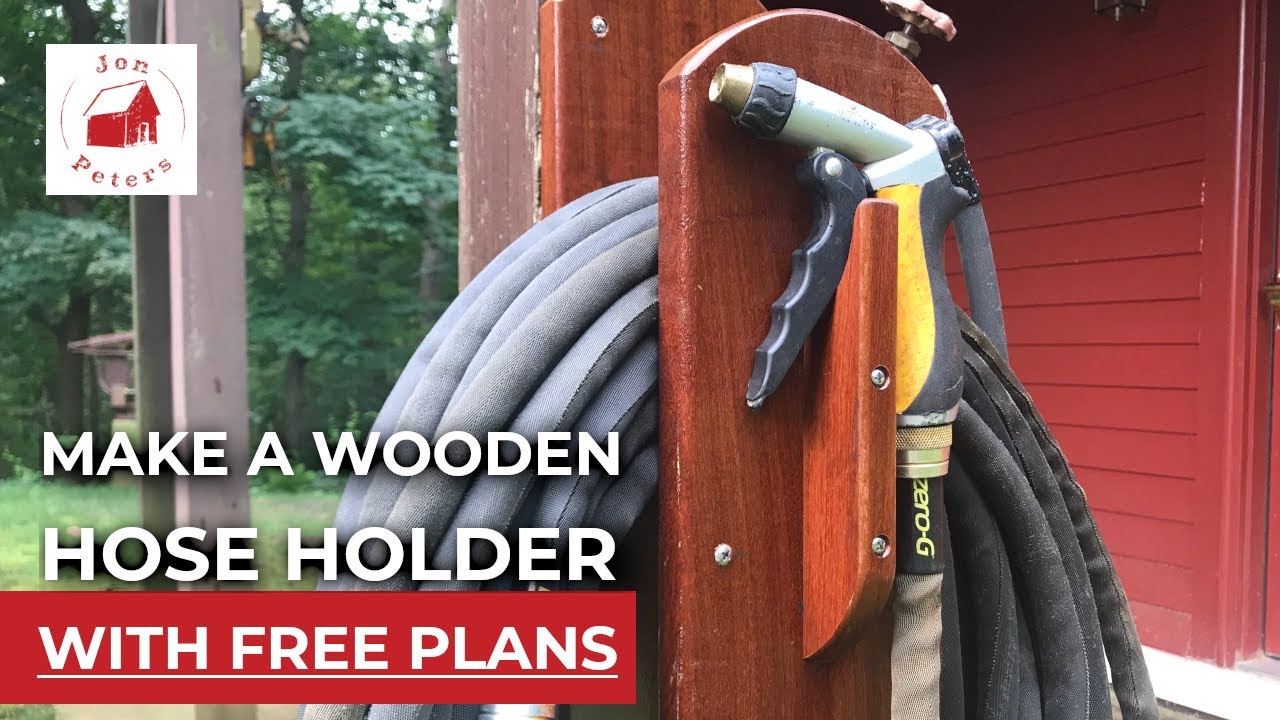
Image Source: i.ytimg.com
Why Build Your Own Garden Hose Holder?
There are many reasons why crafting your own garden hose holder is a fantastic idea:
- Cost-Effective: Pre-made hose holders can be surprisingly expensive. Using salvaged materials or affordable lumber can drastically reduce the cost.
- Customization: You can design a holder that perfectly fits your space, hose size, and style. Want it to match your fence? Need it to hold two hoses? No problem!
- Durability: By choosing your own materials and construction methods, you can build a holder that is more robust and long-lasting than many store-bought options.
- Satisfaction: There’s a unique sense of accomplishment that comes with building something useful with your own hands.
- Environmental Friendliness: Repurposing materials like old wood planks or metal scraps is a great way to reduce waste.
This guide will cover several popular DIY hose holder designs, from basic wall mounts to more elaborate free-standing organizers. We’ll explore different materials, tools, and techniques to help you create the perfect solution for your outdoor hose storage ideas.
Project 1: The Simple Wooden Wall Mount Hose Holder
This is perhaps the most straightforward DIY hose holder you can make. It’s perfect for attaching to the side of a shed, garage, or fence. This project requires minimal materials and basic woodworking skills.
Materials Needed:
- Wood: A piece of lumber, roughly 1×4 or 1×6, about 4-6 feet long. Pine, cedar, or redwood are good choices for outdoor use. You can often find good scrap pieces at lumber yards or even repurpose an old fence picket.
- Screws: Exterior-grade wood screws (e.g., galvanized or stainless steel) of an appropriate length to secure the wood to your wall and to hold the hose arm.
- Optional: Wood sealer or exterior paint to protect the wood from the elements.
Tools Required:
- Saw: Handsaw, jigsaw, or miter saw for cutting the wood.
- Drill: For pre-drilling holes and driving screws.
- Measuring Tape: For accurate measurements.
- Pencil: For marking cuts and screw locations.
- Level: To ensure your holder is straight.
- Safety Glasses: Always wear eye protection when working with tools.
Hose Hanger Plans: Step-by-Step Construction
-
Prepare the Wood:
- Measure and mark your lumber. You’ll need three main pieces:
- Back Plate: A piece about 12-18 inches long. This attaches to the wall.
- Hose Arm: A piece about 8-12 inches long. This will extend from the back plate and hold the coiled hose.
- Support Brace (Optional but Recommended): A small triangular piece that adds strength to the arm. Cut a piece about 4-6 inches long, then cut it diagonally to create two triangles.
- Carefully cut the wood pieces using your saw. Ensure your cuts are straight.
- Measure and mark your lumber. You’ll need three main pieces:
-
Assemble the Holder:
- Attach the Arm to the Back Plate: Position the hose arm perpendicular to the back plate, towards one end. The arm should extend outwards from the back plate. Pre-drill pilot holes through the back plate into the end of the hose arm to prevent the wood from splitting. Secure the arm with at least two exterior-grade screws.
- Add the Support Brace: If you’re using a support brace, position one of the triangular pieces between the hose arm and the back plate. The right-angle corner of the triangle should meet where the arm and back plate join. Pre-drill and screw it into place. This adds significant stability.
-
Finishing Touches (Optional):
- Sand down any rough edges.
- Apply a wood sealer or exterior paint to protect the wood from rain and sun. This will help your DIY hose holder last longer. Choose a color that complements your garden.
-
Mounting Your Holder:
- Choose a sturdy location on your wall. Make sure it can support the weight of a wet hose.
- Hold the assembled hose holder against the wall at the desired height. Use a level to ensure it’s straight.
- Mark the screw locations on the wall through the back plate.
- Pre-drill pilot holes in the wall (especially if it’s a hard material like brick or concrete; use appropriate anchors).
- Secure the hose holder to the wall using long, sturdy screws.
Now, simply coil your garden hose neatly onto the arm. This wall mount hose storage solution is simple, effective, and easy to replicate.
Project 2: The Decorative Metal Hoop Hose Holder
For those who want a bit more flair, a metal hoop can be a stylish and functional hose holder. This design is great for showcasing a beautiful garden hose or integrating with a more ornate garden aesthetic. This can also be considered a garden hose caddy if you add a base.
Materials Needed:
- Metal Hoop: A large, sturdy metal hoop. This could be a large embroidery hoop (though these might not withstand the elements well long-term without sealing), a section of metal conduit bent into a circle, or even a repurposed metal ring. Look for something at least 12-18 inches in diameter.
- Wall Mount Bracket: A sturdy metal bracket that can securely hold the hoop. An “L” shaped bracket or a specialized hose holder bracket would work.
- Screws/Bolts: Appropriate hardware to attach the hoop to the bracket and the bracket to the wall.
- Optional: Spray paint (for metal) to customize the color.
Tools Required:
- Drill: For creating screw holes and mounting.
- Wrenches or Screwdriver: Depending on the type of screws/bolts used.
- Measuring Tape: For placement.
- Level: For ensuring it’s straight.
- Safety Glasses: Essential for eye protection.
Hose Coil Organizer: Assembly Guide
-
Prepare the Hoop (Optional):
- If your metal hoop is bare metal, consider giving it a coat of spray paint designed for metal. This will prevent rust and add a decorative touch. Let it dry completely.
-
Attach Hoop to Bracket:
- Position the metal hoop against the chosen wall bracket.
- Mark where you will drill holes through the hoop and into the bracket. You might need to drill small pilot holes in the metal hoop if it’s very thick.
- Use sturdy screws or bolts with nuts to securely attach the hoop to the bracket. Ensure it’s centered and sits flat against the bracket.
-
Mount the Assembly to the Wall:
- Choose a suitable wall location.
- Hold the bracket with the attached hoop against the wall. Use a level to ensure it’s straight.
- Mark the screw holes for the bracket onto the wall.
- Pre-drill pilot holes in the wall, using appropriate anchors if necessary.
- Secure the bracket firmly to the wall with long, sturdy screws.
This type of holder allows you to simply coil your hose around the large hoop. It’s a clean and stylish way to manage your hose, and the hoop acts as a great hose coil organizer.
Project 3: The Free-Standing Hose Organizer
If you don’t have a suitable wall for mounting or prefer a more mobile solution, a free-standing hose organizer is ideal. This design often resembles a large reel or a sturdy stand. A free-standing hose organizer can be built from wood or repurposed materials.
Materials Needed:
- Wood: For the base and upright supports. Consider 2x4s for the base and 1x4s or 1x6s for the uprights and spool.
- Wooden Dowel or Metal Pipe: For the central spindle around which the hose will wind. About 1-2 feet long and 1-1.5 inches in diameter.
- Screws/Bolts: Exterior-grade screws and possibly some carriage bolts for extra strength.
- Optional: Wheels or casters for portability. Wood sealer or paint.
Tools Required:
- Saw: For cutting lumber.
- Drill: For pre-drilling and driving screws.
- Measuring Tape: For accurate cuts.
- Pencil: For marking.
- Level: For ensuring stability.
- Safety Glasses: Essential.
- Optional: Sandpaper, paintbrush.
Hose Reel Creation: Building Your Stand
-
Construct the Base:
- Cut two pieces of 2×4 lumber to your desired base width (e.g., 18-24 inches).
- Cut two more pieces of 2×4 to a shorter length (e.g., 12-18 inches).
- Arrange these into a rectangle and screw them together securely to form a sturdy base. Pre-drilling is recommended.
-
Create the Uprights:
- Cut two pieces of 1×4 or 1×6 lumber to your desired height (e.g., 30-36 inches). These will support the spindle.
- Attach these uprights vertically to the base. You can attach them to the sides of the base, or to the center of the longer base pieces, depending on your design. Ensure they are parallel and plumb (straight up and down). Use plenty of screws or consider using carriage bolts with nuts for maximum stability.
-
Install the Spindle:
- Drill a hole through the top of each upright, centered and at the same height. The hole diameter should be slightly larger than your wooden dowel or metal pipe so it can spin freely.
- Insert the wooden dowel or metal pipe through the holes. Ensure it’s level.
- You might want to secure the dowel/pipe in place with a screw driven through the upright into the end of the dowel, or by using washers and cotter pins on the outside if using a pipe. The goal is for the hose to wind around it.
-
Add Wheels (Optional):
- If you want a portable hose holder, attach casters to the bottom of the base. This makes moving your garden hose caddy around the yard much easier.
-
Finishing:
- Sand any rough edges.
- Apply a wood sealer or exterior paint to protect your creation from the elements.
To use, simply attach the end of your hose to the spindle and start winding. This creates a functional DIY hose reel that keeps your hose organized and ready for use. This is a great way to manage a heavy-duty hose and keep your garden accessories storage neat.
Project 4: The Repurposed Pallet Hose Holder
Pallets are a fantastic source of free or cheap lumber, and they can be easily transformed into a rustic and sturdy hose holder. This is a prime example of resourceful outdoor hose storage ideas.
Materials Needed:
- Wooden Pallet: One or two standard wooden pallets. Look for ones in good condition, free from excessive damage or rot. Heat-treated (HT) pallets are generally safer than chemically treated (MB) ones if you’re concerned about exposure.
- Screws/Nails: Exterior-grade screws or nails.
- Optional: Hooks or brackets to attach to the pallet for hanging nozzles or accessories.
Tools Required:
- Pry Bar and Hammer: To disassemble the pallet if necessary.
- Saw: For cutting pallet wood to size.
- Drill: For pre-drilling and driving screws.
- Measuring Tape: For measuring.
- Pencil: For marking.
- Safety Glasses: Crucial when dismantling pallets.
- Work Gloves: To protect your hands.
Pallet Wood Hose Holder Plans: From Pallet to Holder
-
Disassemble the Pallet (Optional):
- If you want specific plank sizes, carefully pry apart the pallet boards using a pry bar and hammer. Try to preserve the wood as much as possible. Remove all nails.
-
Design and Cut:
- You can use the pallet as is, or modify it. A simple approach is to cut a pallet section to create a frame that can be wall-mounted.
- Alternatively, you can use the disassembled boards to build a new holder, similar to the wooden wall mount described earlier, but with a rustic charm.
- Cut pieces for a backer board and an extending arm. Aim for dimensions similar to Project 1.
-
Assemble:
- Screw the pieces together. If using pallet wood, pre-drilling is very important as pallet wood can be dry and prone to splitting.
- Consider adding a few larger nails or screws where the arm meets the backer for extra strength.
-
Mounting:
- As with the other wall-mounted designs, find a sturdy wall location and securely attach your pallet wood holder.
-
Add Hooks (Optional):
- Screw a few sturdy hooks into the backer board of your holder to hang spray nozzles, gloves, or other small garden accessories storage.
This DIY hose holder offers a unique, rustic aesthetic and is an excellent way to upcycle materials. It functions as a great wall mount hose storage solution with a vintage feel.
Considerations for Your DIY Hose Holder
No matter which design you choose, keep these factors in mind:
Durability and Weather Resistance
- Wood Choice: Cedar, redwood, and treated lumber are naturally more resistant to rot and insects. If you use pine or other softer woods, sealing and painting are essential.
- Fasteners: Always use exterior-grade screws or galvanized/stainless steel hardware. Standard screws will rust and weaken over time, especially in damp conditions.
- Finishing: A good quality exterior sealant, stain, or paint will significantly extend the life of your wooden hose holder by protecting it from moisture, UV rays, and temperature fluctuations.
Capacity and Hose Size
- Hose Length: Consider the length of your hose. A standard 50-foot hose might fit on a smaller holder, but a 100-foot hose will require a larger diameter or a longer arm.
- Hose Thickness: Heavier, thicker hoses will put more strain on the holder. Ensure your design is robust enough, especially the mounting points and the arm strength. For very heavy hoses, a retractable hose reel might be a better long-term solution, but a DIY version can also be constructed with sturdy materials.
Location and Mounting
- Sturdy Wall: Ensure the wall you’re mounting to is strong enough to support the weight of the holder, the hose, and any water that might still be inside it. Brick, concrete, or solid wood studs are ideal. Avoid mounting to thin siding or flimsy materials without proper reinforcement.
- Accessibility: Place your hose holder where it’s easy to access the faucet and where the hose can reach all areas of your garden without excessive stretching or tangling.
- Ground Clearance: For wall-mounted units, ensure the holder is at a height that makes coiling the hose comfortable. For free-standing units, ensure the base is stable and won’t tip over.
Frequently Asked Questions (FAQ)
Q1: Can I make a hose holder from PVC pipe?
A1: Yes, you can! PVC pipe can be used to create a lightweight and weather-resistant hose holder. You would typically assemble a frame using PVC fittings (elbows, tees) to create a circular or U-shaped holder that can be mounted to a wall or stand on its own. It’s a good option for a simple, modern look.
Q2: How do I store my hose during the winter?
A2: Before the first frost, drain your hose completely by disconnecting it from the faucet and letting all the water run out. Coil it neatly on your holder and consider bringing the hose indoors or covering it to protect it from extreme cold, which can make the material brittle. The holder itself can remain outside if built with weather-resistant materials.
Q3: What’s the best material for an outdoor hose holder?
A3: For durability and weather resistance, treated lumber, cedar, redwood, or metal are excellent choices. If you opt for standard lumber or PVC, proper sealing and maintenance are crucial.
Q4: How do I prevent my hose from kinking on the holder?
A4: Coil the hose loosely and avoid making sharp bends. Ensure the diameter of your holder is large enough to accommodate gentle curves. Regularly checking the hose for wear and tear can also help prevent kinks from developing into permanent damage.
Q5: What if I have a very long and heavy garden hose?
A5: For very long and heavy hoses, a sturdy DIY hose reel that’s built with robust materials and a strong central spindle is recommended. Consider using thicker wood for the frame and a metal pipe for the spindle. A well-built retractable hose reel mechanism might be a more advanced DIY project, but simpler coilers can still manage heavy hoses effectively.
Creating your own garden hose holder is a practical and satisfying project. Whether you choose a simple wall mount hose storage solution, a decorative metal ring, a sturdy free-standing hose organizer, or a rustic pallet creation, you’ll be rewarded with a tidier, safer, and more enjoyable gardening experience. Happy building!