
Yes, a manufactured home can be moved, but it’s a complex and highly specialized undertaking. Moving a manufactured home, often referred to as mobile home relocation or manufactured home transport, requires professional expertise, specific equipment, and adherence to strict regulations. Unlike traditional site-built homes, manufactured homes are built in a factory on a permanent chassis and designed with transportation in mind, but this doesn’t mean they can be simply hitched up and driven away. This guide will walk you through the entire process, from initial considerations to the final setup of your home in a new location.
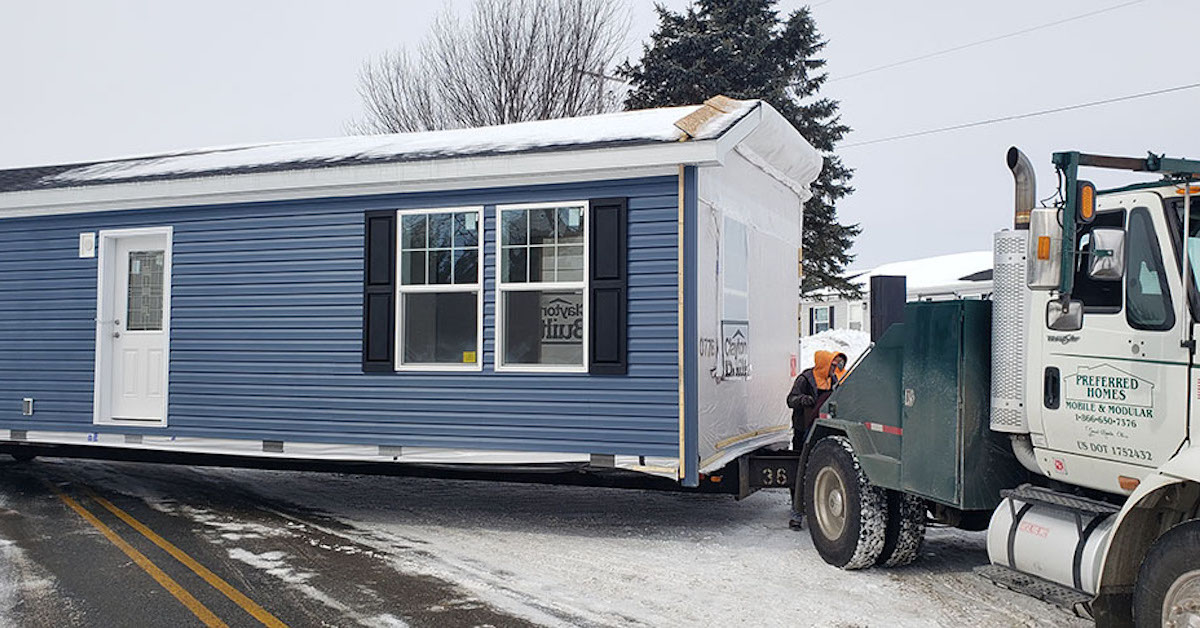
Image Source: preferredhomesmi.com
The Possibility of Relocation
The ability to move a manufactured home hinges on several factors, primarily the home’s age, construction, condition, and the distance of the move. Modern manufactured homes are generally designed to be moved more readily than older mobile homes, which might have had more rudimentary construction. The process involves de-installing a manufactured home from its foundation and preparing it for transport, then re-installing a manufactured home at its new site.
Factors Influencing Moveability
- Age and Construction: Homes built after June 15, 1976, comply with the HUD (U.S. Department of Housing and Urban Development) code, making them more robust and suitable for relocation. Older mobile homes may not meet these standards and could be more fragile.
- Condition of the Home: The overall structural integrity of the home is paramount. Damage to the frame, walls, roof, or plumbing can complicate or even prohibit relocation.
- Distance of the Move: Short-distance moves might be less disruptive and costly than cross country mobile home moving. Longer distances require more stringent preparation and transport considerations.
- Type of Home: While the term “manufactured home” encompasses all factory-built homes, older units may still be referred to as “mobile homes.” The distinction is important as construction standards have evolved. This guide primarily focuses on HUD-code compliant manufactured homes.
The Process of Manufactured Home Transport
Moving a manufactured home is a multi-stage process managed by specialized manufactured home movers. It’s not a DIY project and requires certified professionals.
Step 1: Initial Assessment and Planning
Before any physical work begins, a thorough assessment of the home and the move itself is crucial.
Site Survey
- Current Location: Inspectors will examine the home’s current foundation, utility connections (water, sewer, electricity, gas), and access to roads for extraction.
- New Location: The destination site needs to be assessed for foundation requirements, utility hookups, local zoning laws, and accessibility for large transport vehicles.
Home Inspection
A detailed inspection of the manufactured home will determine its condition and suitability for relocation. This includes checking:
- Frame: The primary steel frame supporting the home.
- Walls and Roof: Structural integrity, especially any signs of water damage or stress.
- Flooring: The subfloor and finishes.
- Plumbing and Electrical Systems: Condition and compatibility with new hookups.
- Windows and Doors: Proper sealing and functioning.
Permits and Regulations
Relocating a manufactured home involves obtaining various permits. These can include:
- Transportation Permits: Issued by states and local municipalities for oversized loads.
- Building Permits: For preparing the new site and installing the home.
- Utility Permits: For connecting or disconnecting services.
Step 2: De-installing a Manufactured Home
This is the critical process of safely detaching the home from its current site.
Disconnecting Utilities
- All water, sewer, gas, and electrical lines are carefully disconnected by licensed professionals.
- Any propane tanks or other fuel sources are secured and disconnected.
Removing Additions and Anchors
- Any attached porches, decks, skirting, or other additions are removed.
- Anchoring systems, which secure the home to its foundation, are systematically removed. This is a crucial step to avoid structural damage.
Preparing for Transport
- Windows and doors are often secured or removed to prevent damage during transit.
- Loose interior items should be removed or secured by the homeowner.
- The exterior of the home is checked for anything that might snag on obstacles.
Step 3: Manufactured Home Transport
This is the core of the relocation process, where the home is moved from one location to another.
The Transport Vehicle
Manufactured homes are typically transported on specialized, heavy-duty trailers with multiple axles and powerful towing vehicles. The size and weight of the home dictate the type of transport needed.
Single Wide Mobile Home Transport
For a single wide mobile home transport, the process is generally more straightforward than for double or triple-wide units. The home is loaded onto a trailer and secured.
Double and Triple-Wide Homes
Double and triple-wide homes are built in sections. These sections are transported separately and then joined together at the new site. This requires precise alignment and specialized lifting equipment.
The Journey
- Route Planning: A meticulous route is planned to avoid low bridges, sharp turns, power lines, and other obstructions. This often involves escorts (pilot cars) to guide the load and alert traffic.
- Speed Limits: Manufactured homes are transported at reduced speeds to ensure safety.
- Overhead Clearances: This is a major concern. Escorts help manage overhead wires and other potential hazards.
Step 4: Re-installing a Manufactured Home
Once the home arrives at its new destination, the process of setting it up begins.
Site Preparation
- The new foundation is prepared according to local building codes and the manufacturer’s specifications. This can include concrete slabs, pier and beam foundations, or crawl spaces.
- Utility lines are run to the home’s connection points.
Placement and Leveling
- Using heavy-duty jacks and machinery, the home is carefully moved onto the prepared foundation.
- It is then meticulously leveled and secured to the foundation using anchors and tie-downs. This is critical for the home’s stability and longevity.
Reconnecting Utilities
- Licensed electricians, plumbers, and gas fitters reconnect all utilities to the home.
- All connections are tested for safety and functionality.
Final Touches
- Skirting is installed around the base of the home.
- Any exterior additions, like porches or decks, are reinstalled or built.
- Interior inspections and final checks are performed.
Who Handles Manufactured Home Relocation?
The process of mobile home relocation is handled by specialized companies known as manufactured home movers. These companies have the necessary licenses, insurance, equipment, and expertise. It is crucial to hire reputable and experienced movers who are familiar with the regulations and technical aspects of moving manufactured homes.
Finding Reputable Movers
- Ask for Recommendations: Get referrals from friends, family, or neighbors who have moved manufactured homes.
- Check Licensing and Insurance: Ensure the movers are licensed by the state and carry adequate insurance to cover potential damage.
- Read Reviews: Look for online reviews and testimonials from previous clients.
- Get Multiple Quotes: Obtain detailed quotes from several different companies to compare costs and services.
- Verify Experience: Ask about their experience with your specific type and age of home and the distance of your move.
Costs Associated with Moving a Manufactured Home
The cost of moving a manufactured home can vary significantly based on several factors. It’s important to get detailed quotes that break down all expenses.
Key Cost Factors
- Distance: The further the move, the higher the cost. Cross country mobile home moving will be the most expensive.
- Size and Type of Home: Moving a double-wide is more complex and costly than a single wide mobile home transport.
- De-installation and Re-installation: Costs for disconnecting, preparing, and setting up the home at the new site. This includes foundation work, anchoring, and utility hookups.
- Permits and Fees: State and local permits can add to the overall cost.
- Escorts and Pilot Cars: Required for oversized loads.
- Road Usage Fees: Some states charge fees for transporting oversized vehicles.
- Repairs and Upgrades: If the home needs repairs before or after the move, these costs will be additional.
- Storage: If there’s a gap between de-installation and re-installation, storage fees may apply.
Approximate Cost Ranges
While exact figures are difficult to provide without specific details, here are some general estimates:
| Service | Estimated Cost Range |
|---|---|
| Short-Distance Move (1-50 miles) | $3,000 – $10,000 |
| Medium-Distance Move (50-150 miles) | $8,000 – $20,000 |
| Long-Distance Move (150+ miles) | $15,000 – $30,000+ |
| De-installation | $1,000 – $5,000 |
| Re-installation & Foundation | $2,000 – $15,000+ |
| Utility Hookups | $500 – $3,000 |
| Permits & Fees | $100 – $1,000 |
Note: These are rough estimates and can fluctuate based on market conditions and specific service providers.
Considerations for Relocation
When deciding whether to move your manufactured home, weigh the costs and benefits carefully.
Is it Worth It?
- Cost Comparison: Compare the total cost of relocation with the cost of purchasing a new home or a new manufactured home at your desired location.
- Home’s Condition: If your home is old, has significant structural issues, or requires extensive upgrades, relocation might not be financially feasible.
- Emotional Attachment: Sometimes, the emotional value of a home can factor into the decision, even if the economics are borderline.
Alternatives to Relocation
If moving your existing home isn’t practical, consider these alternatives:
- Selling Your Current Home: Sell your current manufactured home and purchase a new or used one at your destination.
- Modular Home Relocation: If you have a modular home (which is built to stick-built construction standards and is generally not designed for relocation), moving it is a far more complex and often cost-prohibitive process than moving a manufactured home. It typically involves dismantling the home into sections.
- Shipping Container Homes: These are a different category of housing entirely. While they can be moved, the process is distinct from manufactured home relocation.
Frequently Asked Questions (FAQ)
Q1: Can I move my manufactured home myself?
No, it is strongly advised against attempting to move a manufactured home yourself. The process requires specialized equipment, permits, and expertise to ensure the safety of the home, the transporters, and the public. Hiring professional manufactured home movers is essential.
Q2: How long does it take to move a manufactured home?
The timeline varies greatly depending on the distance, complexity of the move, and scheduling of permits and services. The actual transport might take a few days for longer distances, but the entire process from initial planning to final re-installation can take several weeks or even months.
Q3: Are there specific regulations for moving manufactured homes?
Yes, there are federal, state, and local regulations governing the manufactured home transport process. These include requirements for permits, size and weight restrictions, lighting, signage, and escort vehicles.
Q4: What is the difference between a manufactured home and a modular home?
Both are factory-built, but modular homes are built to the same state and local building codes as site-built homes and are generally not designed for relocation. Manufactured homes are built to a federal standard (HUD code) and are designed with transportation in mind. Therefore, modular home relocation is a much more involved and less common process.
Q5: What happens to the foundation when a manufactured home is moved?
The existing foundation is typically left behind or demolished. A new foundation is prepared at the destination site according to specific requirements and building codes.
Q6: Can I move my manufactured home to another state?
Yes, cross country mobile home moving is possible, but it involves significant logistical planning, additional permits, and higher costs due to the distance and varied regulations across states.
Q7: What kind of preparation is needed for the new site?
The new site needs to be cleared, graded, and have a suitable foundation prepared. Utility hookups (water, sewer, electricity, gas) must be accessible and ready for connection.
Q8: What are shipping container homes?
Shipping container homes are dwellings constructed from repurposed shipping containers. They are a distinct type of housing with their own moving and setup processes, different from manufactured homes.
By adhering to this comprehensive guide and relying on the expertise of professional manufactured home movers, you can navigate the complexities of mobile home relocation and successfully move your manufactured home to a new location.