
Can you build a garden potting table yourself? Yes, you absolutely can build your own garden potting table with some basic tools and materials. This comprehensive DIY guide will walk you through every step, from planning to the final touches, to help you create a functional and beautiful outdoor potting station. Building a potting bench is a rewarding project that will significantly enhance your gardening experience.
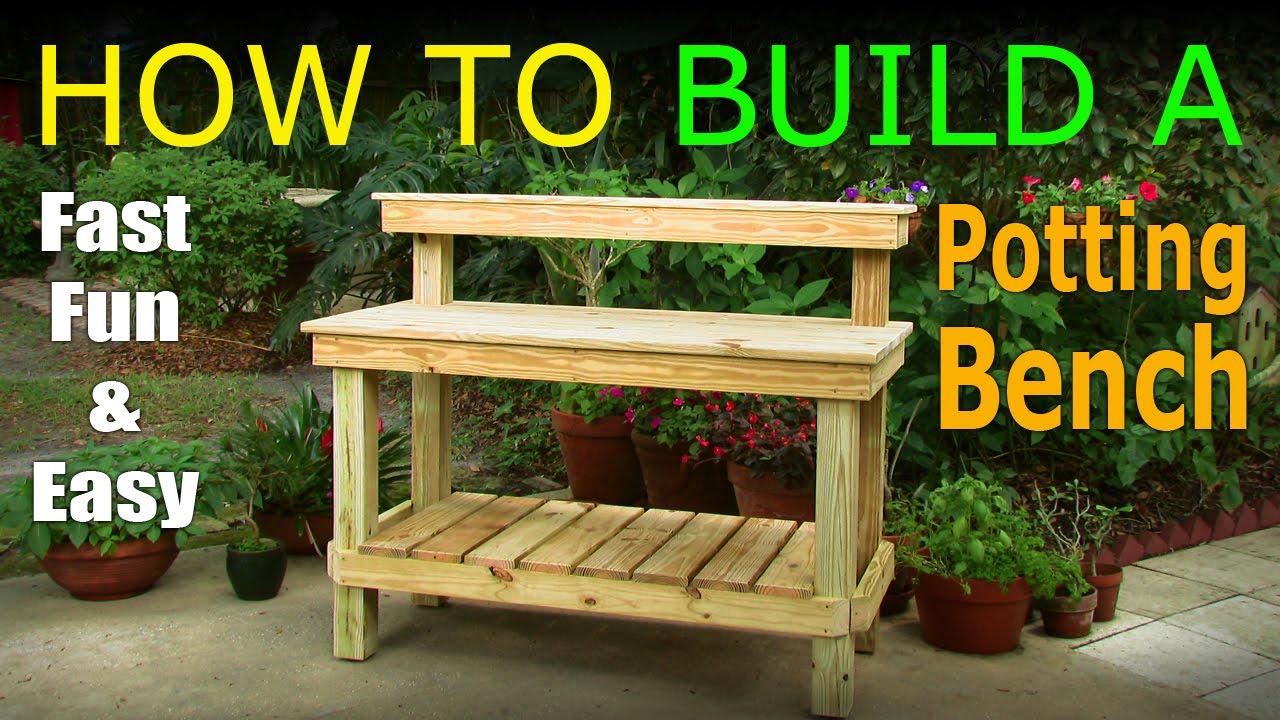
Image Source: i.ytimg.com
Planning Your Outdoor Potting Station
Before you grab your tools, it’s essential to plan your outdoor potting station. Think about how you’ll use it. Do you need a large workspace for starting seeds? Will you be repotting large plants? Do you need plenty of storage for tools, soil, and pots? These questions will help determine the size, features, and overall design of your DIY potting bench.
Determining the Ideal Size and Height
The ideal height for a potting table is usually around 30-36 inches. This allows you to work comfortably without bending too much. The width and depth will depend on your available space and how you plan to use it. A common size is about 4 feet wide and 2 feet deep, but you can adjust this to fit your needs. Consider the space where your garden workbench plans will eventually live.
Essential Features for Your Garden Potting Table
Think about what makes a potting bench truly useful. Here are some features to consider for your potting bench construction:
- Workspace: A sturdy, flat surface for mixing soil and potting plants.
- Storage: Shelves, cabinets, or drawers to keep your gardening supplies organized.
- Sink (Optional): A small sink can be incredibly convenient for rinsing hands and tools.
- Backsplash: This helps prevent soil from falling behind the bench.
- Wheels (Optional): If you want to move your outdoor garden workspace, adding wheels can be a great option.
Choosing the Right Materials
For an outdoor garden workspace, durability and weather resistance are key.
- Wood: Cedar, redwood, or pressure-treated pine are excellent choices. They resist rot and insects.
- Fasteners: Use galvanized or stainless steel screws and nails to prevent rust.
- Finishing: Exterior-grade paint or stain will protect the wood and add a personal touch.
Gathering Your Tools and Supplies
Once you have a plan, it’s time to gather everything you need for your DIY potting bench. Having all your tools and materials ready will make the building process smoother.
Essential Tools for Potting Bench Construction
Here’s a list of tools you’ll likely need for how to make a potting table:
- Tape Measure
- Pencil
- Saw (circular saw or handsaw)
- Drill with drill bits
- Screwdriver bits
- Safety Glasses
- Work Gloves
- Level
- Sandpaper or orbital sander
- Clamps (optional but helpful)
- Square
Necessary Materials for Your Garden Workbench Plans
Based on a typical DIY potting bench design, here are the common materials:
| Material | Description | Quantity (Approximate for a 4’x2′ bench) |
|---|---|---|
| Lumber (Treated Pine/Cedar) | ||
| 2x4s | For legs, frame, and support beams | 8-10 pieces (8ft long) |
| 1x6s or 1x8s | For the tabletop, shelves, and backsplash | 6-8 pieces (8ft long) |
| Plywood (Exterior Grade) | For the back panel or lower shelf base (optional) | 1 sheet (4’x8′) |
| Fasteners | ||
| 2-inch Galvanized Screws | For assembling the frame and legs | 1 box |
| 1.5-inch Galvanized Screws | For attaching the tabletop and shelves | 1 box |
| Finishing | ||
| Exterior Paint or Stain | To protect the wood and add color | 1 quart |
| Brushes/Rollers | For applying paint or stain | 1 set |
Note: Quantities are estimates and may vary based on your specific garden potting station ideas and design complexity.
Step-by-Step Guide to Building Your DIY Potting Bench
This guide focuses on a common and sturdy potting bench construction. We’ll break it down into manageable steps to make building a potting bench an achievable goal.
Step 1: Cutting Your Lumber
Accuracy in cutting is crucial for a well-built woodworking potting table. Measure twice, cut once!
Cut List for a 4′ Wide x 2′ Deep x 3′ High Potting Table:
- Legs: (4) pieces of 2×4, 36 inches long
- Side Aprons: (4) pieces of 2×4, 21 inches long (for the front and back of the tabletop frame)
- End Aprons: (2) pieces of 2×4, 45 inches long (for the sides of the tabletop frame)
- Lower Shelf Supports: (4) pieces of 2×4, 21 inches long
- Lower Shelf Aprons: (2) pieces of 2×4, 45 inches long
- Tabletop: (8) pieces of 1×6 or 1×8, 48 inches long (adjust if you want a slightly different overhang)
- Backsplash: (2) pieces of 1×6 or 1×8, 48 inches long
- Side Splash (Optional): (2) pieces of 1×6 or 1×8, 24 inches long
- Lower Shelf: (1) piece of plywood cut to fit (approx. 45 inches x 21 inches) or use 1x6s.
Step 2: Assembling the Leg Frames
This forms the sturdy base of your potting bench with storage.
- Create Two Side Frames: Take two of your 36-inch 2×4 legs and two of your 21-inch 2×4 side aprons. Lay them out to form a rectangle. The aprons will attach to the inside of the legs.
- Attach Aprons: Position the 21-inch aprons flush with the top and about 6 inches from the bottom of the legs. Use clamps to hold them in place if needed. Pre-drill pilot holes to prevent splitting the wood. Secure each apron to each leg with two 2-inch screws. Ensure the frame is square using a carpenter’s square.
- Repeat: Build a second identical frame for the other side of your DIY potting bench.
Step 3: Connecting the Side Frames
Now you’ll connect the two leg frames to create the main structure.
- Add Front and Back Aprons: Take your two 45-inch 2×4 end aprons. Position them between the two assembled side frames. The top edge of these aprons should be flush with the top of the side aprons. This creates the outer frame for your tabletop.
- Secure End Aprons: Pre-drill pilot holes and attach the end aprons to the legs using 2-inch screws. Again, ensure everything is square and level. You should now have a basic rectangular frame supported by four legs.
Step 4: Adding the Lower Shelf Supports
This step adds crucial support and creates a space for your potting bench with storage.
- Position Lower Supports: Take your four 21-inch 2×4 lower shelf supports. Position them horizontally on the inside of the legs, about 6-8 inches from the bottom. These will hold your lower shelf.
- Attach Supports: Pre-drill pilot holes and screw the supports into the legs using 2-inch screws. Ensure they are level across all four legs.
Step 5: Attaching the Lower Shelf Aprons
These will connect the lower shelf supports and add rigidity.
- Attach Longer Aprons: Take your two 45-inch 2×4 lower shelf aprons. Attach them to the outside of the legs, flush with the lower shelf supports you just installed. Pre-drill and use 2-inch screws.
Step 6: Installing the Lower Shelf
This is where your garden potting station ideas for storage start to take shape.
- Place Shelf: If using plywood, cut it to fit the dimensions of the base (approximately 45 inches x 21 inches). Place it on top of the lower shelf supports. If using 1x6s, lay them across the supports, leaving small gaps for drainage if desired.
- Secure Shelf: Screw the shelf to the supports using 1.5-inch screws, driving them down through the shelf and into the 2×4 supports.
Step 7: Attaching the Tabletop
This is the main workspace of your DIY potting bench.
- Position Tabletop Boards: Lay your 1×6 or 1×8 boards across the top aprons. You can place them flush with the edges or allow for a slight overhang on the front and sides. Aim for even spacing if you’re using multiple boards.
- Secure Tabletop: Pre-drill pilot holes down through the tabletop boards into the aprons. Use 1.5-inch screws to secure each board. Countersink the screws slightly so they are flush or just below the surface.
Step 8: Adding the Backsplash and Side Splash
A backsplash is essential for keeping soil and supplies on your outdoor garden workspace.
- Attach Backsplash: Position your 48-inch 1×6 or 1×8 boards vertically at the back of the tabletop. You can attach them directly to the back apron and extend them upwards to your desired height. For added stability, you can also attach them to the back legs. Use 1.5-inch screws.
- Attach Side Splash (Optional): If you cut side splash pieces, attach them vertically to the sides of the tabletop and legs.
Step 9: Sanding and Finishing
This is the final touch that protects your woodworking potting table and makes it look great.
- Sand Everything: Use sandpaper or an orbital sander to smooth all surfaces, edges, and corners. This prevents splinters and prepares the wood for finishing.
- Apply Finish: Apply an exterior-grade paint or stain according to the manufacturer’s instructions. This will protect your DIY potting bench from the elements and give it a polished look. Consider a sealant for extra protection. Allow it to dry completely between coats.
Optional Additions and Garden Potting Station Ideas
Once the basic structure is complete, you can customize your potting bench with storage to perfectly suit your needs.
Adding Shelving for More Storage
- Adjustable Shelves: Use shelf pins and pre-drilled holes to create adjustable shelves within your potting bench. This allows you to change the shelf height as needed for different-sized pots or supplies.
- Open Shelving: Simple shelves installed above or below the main workspace are easy to add and provide quick access to frequently used items.
Incorporating a Sink
- Small Utility Sink: A compact utility sink can be plumbed in or used with a simple bucket system for drainage.
- Faucet Installation: You might need to cut a hole in the tabletop or backsplash to accommodate a faucet.
Creating Drawers or Cabinets
- Simple Drawers: Build basic wooden drawers that slide into pre-built openings. Use drawer slides for smoother operation.
- Cabinet Doors: Install small cabinet doors on the lower section to hide unsightly supplies and keep them protected from the weather.
Adding Hooks and Holders
- Tool Racks: Attach hooks or specialized racks to the sides or backsplash for hanging trowels, cultivators, and other hand tools.
- Hose Holder: A simple hook can be attached to the side to keep your garden hose tidy.
The Importance of a Backsplash
A properly designed backsplash on your DIY potting bench is more than just decorative. It’s a functional element that:
- Prevents Soil Spillage: It stops soil, gravel, and potting mix from falling off the back and onto the ground or into hidden crevices.
- Provides Mounting Space: It offers a surface to attach hooks, shelves, or other accessories, making them easily accessible.
- Enhances Aesthetics: A well-finished backsplash can add a professional and complete look to your garden workbench plans.
Maintenance of Your Outdoor Potting Station
To ensure your DIY potting bench lasts for many gardening seasons, regular maintenance is key.
- Regular Cleaning: Wipe down the surfaces after each use to remove soil and debris.
- Inspect for Damage: Periodically check for loose screws, rot, or insect damage.
- Reapply Finish: Depending on your climate and the type of finish used, you may need to reapply paint or stain every couple of years to keep the wood protected.
- Winter Storage: If you live in a region with harsh winters, consider covering your outdoor garden workspace with a tarp or storing it in a shed or garage to prolong its lifespan.
Frequently Asked Questions (FAQ)
Q: What is the best wood for a DIY potting bench?
A: Cedar, redwood, or pressure-treated pine are excellent choices because they are naturally resistant to rot and insects.
Q: How high should my potting table be?
A: The ideal height is typically between 30 and 36 inches, allowing for comfortable working without excessive bending.
Q: Can I build a potting bench with storage?
A: Yes, you can easily incorporate shelves, drawers, or cabinets into your DIY potting bench design to maximize storage space.
Q: What tools do I need to build a potting bench?
A: You’ll need basic woodworking tools like a saw, drill, tape measure, pencil, safety glasses, and screws.
Q: How do I protect my potting bench from the weather?
A: Using exterior-grade paint or stain is crucial. Regular maintenance and consideration for covering it during harsh weather will also help.
Building your own garden potting table is a fantastic project that combines practicality and creativity. With careful planning and these step-by-step instructions, you can create a beautiful and functional outdoor potting station that will serve you well for years to come, making your gardening tasks more enjoyable and organized. This DIY potting bench will become the heart of your outdoor garden workspace.