
Can you protect your vegetable garden from animals safely? Yes, you absolutely can! Keeping hungry critters out of your precious produce doesn’t have to involve harmful chemicals or cruel methods. Many effective strategies focus on deterrence and physical barriers, making your garden a less appealing buffet for unwanted visitors while keeping your family and the environment safe.
This guide will delve deep into the most effective and humane ways to safeguard your vegetable patch from a variety of garden invaders. From the most common nibblers to aerial pests, we’ll explore a range of solutions, including pest control techniques, wildlife barriers, deer repellent options, robust rabbit fencing, clever squirrel deterrents, essential bird netting, vigilant slug control, natural insect repellent ideas, and the fundamental importance of garden fencing.
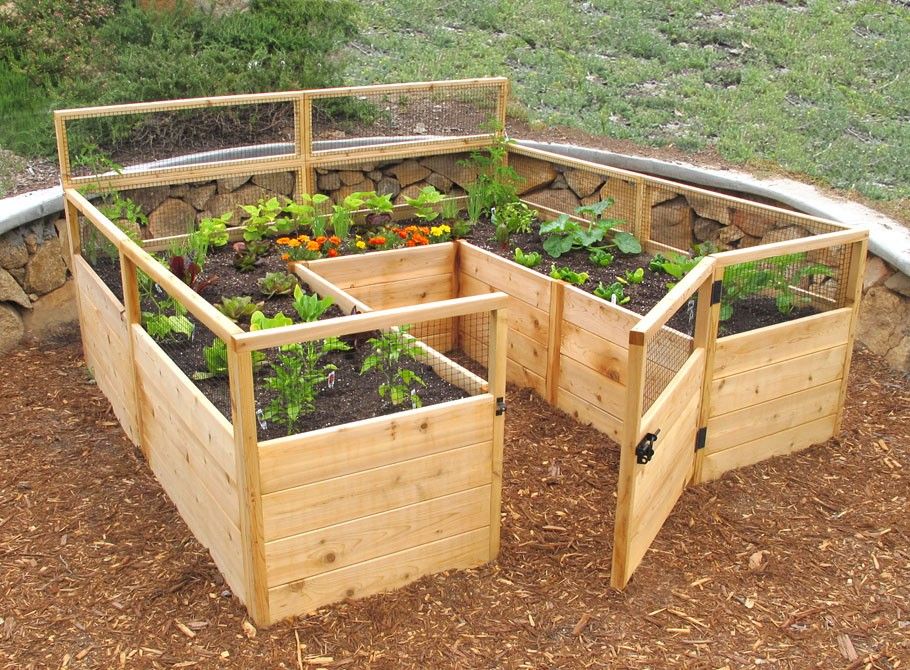
Image Source: hips.hearstapps.com
Why Animals Visit Your Garden
Before we can protect our gardens, it’s helpful to understand why animals are drawn to them in the first place. Your garden is essentially a well-stocked pantry for many creatures.
- Food Source: The most obvious reason. Tender seedlings, ripe tomatoes, juicy berries, and crisp greens are all on the menu for a wide array of animals.
- Water: Especially in drier periods, gardens can offer a vital water source from irrigation, dew, or even the moisture within plants themselves.
- Shelter: Dense foliage, compost piles, and even the soil can provide shelter and nesting sites for insects, small mammals, and birds.
- Comfort: Some animals might seek out soft soil for burrowing or dust bathing.
Identifying Your Garden’s Pests
The first step in effective protection is knowing who your adversaries are. Different animals require different approaches.
Common Garden Invaders
- Deer: Known for their love of leafy greens, flowers, and tender shoots. They can decimate a garden overnight.
- Rabbits: Small but prolific, rabbits will munch on almost any vegetable, especially young plants and root vegetables.
- Squirrels and Chipmunks: These agile climbers are notorious for digging up bulbs, stealing seeds, and raiding fruits like tomatoes and berries.
- Birds: While beneficial for insect control, some birds can damage ripening fruits and vegetables, especially berries and corn.
- Slugs and Snails: These slimy gastropods leave tell-tale trails and can devastate young seedlings and leafy crops.
- Insects: Aphids, caterpillars, beetles, and various other insects can stunt growth, damage leaves, and destroy fruits.
Identifying the Culprits
Look for specific signs of damage:
- Deer: Often leave behind hoof prints. They tend to “browse” plants, leaving ragged edges on leaves and stems, and can strip bark from young trees. They usually eat the tops of plants.
- Rabbits: Leave short, clean-cut stems, as their incisors are flat. You might find small droppings that look like small, round pellets.
- Squirrels: Digging is a major clue, often leaving disturbed soil. They might eat seeds directly from the ground or gnaw on fruits, leaving bite marks.
- Birds: Peck marks on fruits, seeds pulled from the ground, and droppings are common signs.
- Slugs and Snails: Visible slimy trails on leaves and soil, and holes chewed in leaves, often with irregular edges. They are most active at night.
- Insects: Chewed leaves, spots, wilting, sticky residue (honeydew), or visible insects themselves.
Building a Fortress: Physical Barriers
The most reliable way to protect your vegetable garden from animals is to create physical barriers that prevent them from accessing your plants.
Garden Fencing: The First Line of Defense
Garden fencing is perhaps the most versatile and effective method. The type of fencing you choose will depend on the size of your garden and the animals you are trying to deter.
Types of Garden Fencing
- Chicken Wire: A common and relatively inexpensive option. Its small mesh size is good for deterring rabbits and larger insects, but not as effective against smaller pests like rodents or determined deer.
- Pros: Affordable, readily available.
- Cons: Can be flimsy, not tall enough for deer, can be bent by larger animals.
- Hardware Cloth: Made of sturdier wire mesh, often with smaller openings (e.g., 1/4 inch or 1/2 inch). This is excellent for keeping out rabbits, groundhogs, and even some smaller predators.
- Pros: Sturdy, effective against smaller to medium-sized pests, durable.
- Cons: More expensive than chicken wire, can be heavier to work with.
- Welded Wire Mesh: Similar to hardware cloth but often with larger openings (e.g., 1×2 inches or 2×4 inches). It’s good for keeping out larger animals but might not be sufficient for smaller ones.
- Pros: Strong, durable, good for larger animals like dogs or stray cats.
- Cons: Larger openings may allow smaller pests to pass through.
- Deer Fencing: Specifically designed to keep deer out. This is often a taller, stronger mesh, sometimes combined with an angled design to make it harder for deer to jump over.
Key Considerations for Garden Fencing
- Height: For rabbits and groundhogs, a fence at least 2-3 feet high is usually sufficient. For deer, you’ll need a fence that is 6-8 feet tall.
- Depth: Burying the bottom edge of your fence at least 6-12 inches into the ground is crucial for preventing burrowing animals like rabbits and groundhogs from digging underneath. You can also create an “L-shaped” footer by bending the bottom of the fence outwards at a 90-degree angle and burying it.
- Mesh Size: Choose a mesh size appropriate for the animals you are trying to exclude. Smaller mesh is better for smaller pests.
- Material Strength: Ensure the fencing material is strong enough to withstand the pressure of larger animals leaning against it or trying to push through.
Rabbit Fencing: A Specific Solution
When your primary concern is rabbits, dedicated rabbit fencing is a wise investment. This typically involves sturdy wire mesh, at least 30 inches high, with a mesh size of 1 inch or smaller. Crucially, it must be buried or have an outward-facing L-shaped footer to prevent burrowing.
Squirrel Deterrents: Challenging Climbers
Squirrels are notorious for their climbing abilities. Fencing alone might not be enough if they can jump onto it from nearby trees or structures.
- Baffle Installation: For supporting poles of fences or bird feeders, install smooth metal baffles (like stovepipe sections) to prevent squirrels from climbing.
- Overhanging Lids: For raised beds or compost bins, consider adding overhanging lids made of slick metal or plastic.
- Trimming Branches: Keep tree branches trimmed back at least 8-10 feet from your garden to prevent squirrels from leaping into your garden.
Bird Netting: Protecting Your Berries and More
Bird netting is an excellent tool for protecting ripening fruits, berries, and vegetables from birds.
- How to Use Bird Netting: Drape the netting loosely over your plants or entire bushes and secure the edges to the ground with rocks, stakes, or soil. Ensure there are no gaps where birds can get trapped.
- Mesh Size: Choose a mesh size that is small enough to keep birds out but large enough to allow pollinators to pass through. A 1/2-inch to 3/4-inch mesh is generally effective.
- Installation: It’s best to install netting just as fruits begin to ripen, as birds will pay less attention to unripe produce. Remove it once the harvest is complete to avoid trapping beneficial insects or small animals.
Row Covers and Cloches: For Young Plants
Lightweight row covers made of fabric or plastic can protect young seedlings from a variety of pests, including insects and small animals, while still allowing sunlight and water to penetrate. Cloches (bell-shaped covers) can also be used for individual plants.
Repelling, Not Just Blocking: Deterrent Strategies
Beyond physical barriers, you can also employ strategies that make your garden less appealing to animals.
Deer Repellent: Making Your Garden Unpalatable
Deer repellent works by creating scents or tastes that deer find offensive.
Scent-Based Repellents
These often utilize strong odors that deer dislike. Common ingredients include:
- Rotten Eggs: A classic deterrent. A mixture of eggs and water sprayed on plants.
- Garlic and Onion: The strong smell can be off-putting. Blend garlic and onion with water and a bit of liquid soap (as a sticker) and spray.
- Predator Urine: The scent of coyote or wolf urine can signal danger to deer. Available commercially.
- Essential Oils: Peppermint, rosemary, and cinnamon oils can be used in sprays.
Taste-Based Repellents
These create an unpleasant taste for deer.
- Soap: Some gardeners find that bar soap shavings or sprays made with liquid soap can deter deer.
- Cayenne Pepper/Hot Sauce: Can be sprayed on plants, but needs frequent reapplication, especially after rain, and can irritate your skin.
Important Notes on Deer Repellents
- Reapplication is Key: Deer repellents, especially natural ones, need to be reapplied regularly, particularly after rain or watering.
- Rotate Repellents: Deer can become accustomed to a single scent, so rotating between different types of repellents can be more effective.
- Test on a Small Area: Before spraying your entire garden, test a repellent on a small part of a plant to ensure it doesn’t cause damage.
Rabbit Repellents: Another Layer of Defense
Similar to deer repellents, rabbit repellents use scent and taste to deter these nibblers.
- Garlic Spray: A simple garlic spray can be effective.
- Castor Oil: Can be mixed with water and sprayed.
- Human Hair or Blood Meal: Scattering these around plants can sometimes deter rabbits due to the scent.
Squirrel Deterrents: Unpredictable Pests
Deterring squirrels is often about making their efforts frustrating.
- Ground Spices: Cinnamon, cayenne pepper, and black pepper sprinkled around plants can deter them from digging.
- Coffee Grounds: Some gardeners report success by scattering used coffee grounds.
- Motion-Activated Sprinklers: These can surprise and scare away squirrels and other animals without harming them.
Bird Deterrents: Beyond Netting
While netting is effective, other methods can help:
- Scare Tapes/Reflective Objects: Shiny ribbons, old CDs, or mylar balloons that flutter and reflect light can startle birds.
- Decoys: Plastic owls or hawks can be effective initially, but birds often get used to them. Move them around frequently.
- Noise Makers: Wind chimes or small bells can also help.
Natural Remedies and Integrated Pest Management
A healthy garden ecosystem is your best defense. Focusing on pest control through natural methods is sustainable and beneficial for the environment.
Encouraging Beneficial Insects
Beneficial insects prey on garden pests. Attract them by planting flowers like:
- Marigolds
- Dandelions
- Queen Anne’s Lace
- Sunflowers
- Sweet alyssum
These plants provide nectar and pollen for ladybugs, lacewings, hoverflies, and parasitic wasps, which are natural predators of aphids and other harmful insects.
Companion Planting
Certain plant combinations can deter pests naturally.
- Marigolds: Said to repel nematodes and other soil-borne pests.
- Basil: Can deter flies and mosquitoes, and some believe it deters tomato hornworms.
- Rosemary: May repel carrot rust flies and bean beetles.
Natural Insect Repellent Sprays
You can create your own insect repellent sprays using common household ingredients:
- Garlic Spray: Blend garlic cloves with water and a little mild soap. Strain and spray on affected plants.
- Chili Pepper Spray: Similar to garlic spray but with chili peppers for a stronger deterrent.
- Neem Oil: A natural pesticide derived from the neem tree. It disrupts insect growth and feeding. Follow product instructions carefully.
Slug Control: A Persistent Problem
Effective slug control often requires a multi-pronged approach.
Barriers for Slugs
- Copper Tape: Slugs are averse to copper. Applying copper tape around the rims of raised beds or pots creates a barrier they won’t cross.
- Diatomaceous Earth (DE): Food-grade DE is a natural powder made of fossilized diatoms. It has sharp edges that dehydrate and kill slugs and other soft-bodied insects when they crawl over it. Apply it around plants, especially in dry conditions. Reapply after rain.
- Crushed Eggshells: The sharp edges can deter slugs.
Natural Slug Baits
- Beer Traps: Shallow containers filled with beer buried flush with the soil surface are a classic trap. Slugs are attracted to the yeast and drown. Empty and refill regularly.
- Yeast and Sugar Bait: Mix yeast and sugar with a little water. Slugs are attracted to the fermentation.
Managing Wildlife Barriers Effectively
Wildlife barriers are essential, but their effectiveness depends on proper maintenance and installation.
- Regular Inspections: Check your fences and netting for any holes, gaps, or signs of wear. Repair them promptly.
- Clear Entrances: Ensure gate latches are secure and there are no easy ways for animals to bypass your barriers.
- Cleanliness: Remove fallen fruits and debris from around your garden. This can attract pests and provide cover for them.
Advanced Techniques and Considerations
For more persistent problems, or for gardeners facing significant wildlife pressure, consider these additional strategies:
Electric Fencing
While more involved and costly, electric fencing can be a very effective deterrent for deer and larger animals. It delivers a mild shock that discourages them from approaching and is often used in conjunction with other fencing.
Scare Tactics and Their Limitations
- Motion-Activated Devices: Beyond sprinklers, there are ultrasonic devices that emit high-frequency sounds. Their effectiveness can vary, and some animals may become accustomed to them.
- Propane Cannons: These devices emit loud bangs to scare animals. They are more suited for large agricultural settings and can be disruptive to neighbors.
Protecting Specific Plants
Some plants are particularly attractive to certain animals.
- Tomatoes: Often targeted by birds, squirrels, and hornworms. Netting and companion planting with basil can help.
- Berries: Birds are the primary threat. Bird netting is the most effective solution.
- Leafy Greens (Lettuce, Spinach): Rabbits and slugs are major culprits. Lower fencing and slug barriers are key.
- Root Vegetables (Carrots, Beets): Groundhogs and moles can be an issue. Burying fencing deeply is crucial.
Creating a Unified Garden Protection Plan
The most successful approach to protecting your vegetable garden from animals safely is to combine multiple strategies into a comprehensive pest control plan.
- Assess Your Threats: Identify which animals are causing the most problems in your area.
- Prioritize Physical Barriers: Implement strong garden fencing, especially rabbit fencing and taller options for deer, ensuring they are properly installed with buried edges.
- Utilize Deterrents: Employ deer repellent and other natural deterrents, rotating them to maintain effectiveness.
- Employ Natural Pest Control: Encourage beneficial insects, use companion planting, and create natural insect repellent sprays. Focus on proactive slug control.
- Monitor and Adapt: Regularly check your garden for signs of pest activity and adjust your strategies as needed. What works for one season or one garden might need tweaking for the next.
By thoughtfully applying these methods, you can create a thriving vegetable garden that is both productive and protected, ensuring a bountiful harvest for you to enjoy.
Frequently Asked Questions (FAQ)
Q1: What is the best way to keep rabbits out of my garden?
A1: The most effective way to keep rabbits out is by installing sturdy rabbit fencing that is at least 30 inches high and has a mesh size of 1 inch or smaller. Crucially, bury the bottom edge of the fence 6-12 inches into the ground or create an outward-facing L-shaped footer to prevent them from digging underneath.
Q2: Can I use human hair to deter deer?
A2: Some gardeners find that scattering human hair around the perimeter of their garden can help deter deer. The scent of humans can make them uneasy. However, its effectiveness can be inconsistent, and it needs to be replenished regularly, especially after rain. It’s often best used in combination with other deer repellent methods.
Q3: How do I stop squirrels from digging up my bulbs and seeds?
A3: Squirrel deterrents include scattering cayenne pepper or ground spices around bulbs and planting areas. You can also use wildlife barriers like hardware cloth laid over planting beds. For added protection, ensure that any fence posts or garden structures have baffles installed to prevent squirrels from climbing them.
Q4: What is the most natural way to repel slugs?
A4: Natural slug control methods include using diatomaceous earth (food-grade) or crushed eggshells around plants, as the sharp particles deter them. Beer traps (shallow containers with beer) are also effective natural baits, as slugs are attracted to the yeast and drown. Copper tape around garden beds is another excellent barrier.
Q5: How tall does a fence need to be to keep deer out of my vegetable garden?
A5: To effectively keep deer out, your garden fencing should be at least 6 to 8 feet tall. Deer are excellent jumpers, so a shorter fence will likely not be sufficient.
Q6: Are there any safe insect repellents I can use on my vegetables?
A6: Yes, there are several safe insect repellent options. Natural sprays made from garlic, chili peppers, or neem oil are effective. Encouraging beneficial insects through companion planting and planting pollinator-friendly flowers also helps manage insect populations naturally.
Q7: My birds are eating my berries. What can I do?
A7: Bird netting is the most effective solution for protecting ripening berries from birds. Drape the netting loosely over your berry bushes or plants just as the fruit begins to ripen, and secure the edges to the ground. Ensure there are no large gaps.
Q8: What are some general tips for effective pest control in a vegetable garden?
A8: Effective pest control involves a combination of strategies. This includes using wildlife barriers like strong garden fencing, employing various squirrel deterrents and deer repellent options, practicing good garden hygiene (like cleaning up fallen fruit), encouraging beneficial insects, and using natural insect repellent and slug control methods. Regularly monitoring your garden for early signs of pest activity is also crucial for timely intervention.