
Image Source: pherdal.com
How To Store Sperm At Home Safely
Can you store sperm at home? Yes, it is possible to store sperm at home, but it requires careful attention to detail and specific protocols to maintain sperm viability for potential future use. This guide will walk you through the process of at-home sperm collection and storage, providing essential information for those exploring fertility options or considering sperm banking for personal reasons.
Exploring Fertility Preservation: Your Guide to At-Home Sperm Storage
In today’s world, many individuals and couples are seeking ways to take control of their reproductive future. Whether you’re planning for future family building, concerned about potential health treatments that might affect fertility, or simply want to explore your fertility options, understanding how to store sperm at home safely is crucial. While professional sperm banking offers a highly controlled and tested environment, self-storage sperm can be a viable option for some, provided it’s done with the utmost care and adherence to specific guidelines.
This article aims to demystify the process of at-home sperm collection and storage, focusing on maintaining sperm viability throughout. We will cover everything from the necessary supplies in a sperm storage kit to the best practices for preserving the sample for potential home insemination or later analysis.
Why Consider At-Home Sperm Storage?
There are several compelling reasons why someone might choose to store sperm at home. These can range from proactive fertility preservation to facilitating future family planning without the immediate need for a clinic.
- Proactive Fertility Preservation: If you are facing medical treatments like chemotherapy, radiation therapy, or surgery that could impact your fertility, storing sperm at home before these treatments begin is a sensible step. This allows you to preserve your reproductive potential.
- Future Family Planning: For individuals or couples planning to have children in the future, storing sperm can provide peace of mind. It offers a way to secure a genetic sample that can be used when the time is right.
- Sperm Donation at Home: Some individuals consider sperm donation at home to help friends, family members, or even through private arrangements with intended parents. Safe storage is paramount in these situations.
- Convenience and Control: For some, the idea of managing their fertility on their own terms is appealing. At-home storage offers a degree of convenience and control over the process.
Essential Components of a Sperm Storage Kit
To ensure the safe and effective storage of sperm at home, a specialized sperm storage kit is essential. This kit should contain the right tools and media to collect and preserve the sample.
What Should Be In My Sperm Storage Kit?
A well-equipped sperm storage kit typically includes:
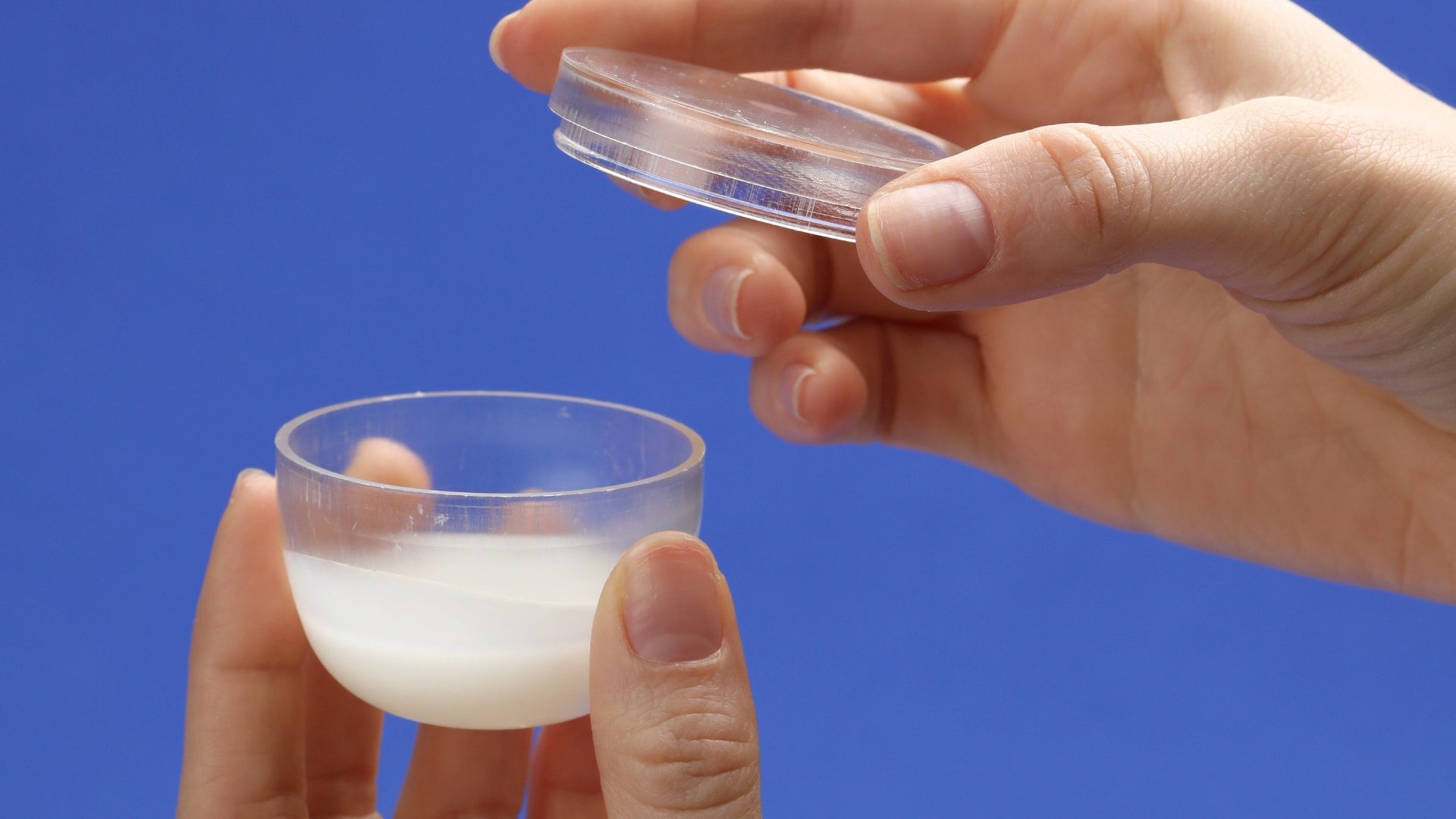
- Sterile Collection Cup: This is the most crucial item. It must be sterile and specifically designed for semen collection. Using non-sterile containers can introduce bacteria, significantly reducing sperm viability.
- Semen Collection Tube/Vial: A sterile, leak-proof container for storing the collected sample.
- Preservative Solution (Optional but Recommended): Some kits come with a special liquid medium designed to protect sperm cells during storage and transport. These solutions often contain nutrients and buffering agents to maintain sperm viability. If not provided, specialized commercial sperm storage solutions can be purchased separately. Avoid using regular saline or tap water, as these can damage sperm.
- Instructions: Clear, detailed instructions on how to properly collect and store the sample.
- Labeling Materials: Labels to record the date, time, and name for clear identification.
- Insulated Packaging: For maintaining a stable temperature during storage or potential transport.
The Collection Process: Step-by-Step Guide to At-Home Sperm Collection
Proper collection technique is vital for ensuring the quality and viability of the sperm sample. The goal is to collect the entire ejaculate in a sterile environment without contamination.
Preparing for Collection
Before you begin the collection, take a few moments to prepare:
- Cleanliness is Key: Wash your hands thoroughly with soap and water. Clean the genital area gently with plain water and pat dry. Avoid using soaps, lotions, or lubricants, as these can be toxic to sperm.
- Gather Your Supplies: Have your sterile collection cup, any preservative solution (if using), and labeling materials ready and easily accessible.
- Choose the Right Time: Abstain from ejaculation for 2-7 days prior to collection. Too little abstinence can result in a lower sperm count, while too much can decrease sperm motility.
- Avoid Certain Substances: Refrain from drinking alcohol, smoking, and using recreational drugs for at least 2-3 days before collection, as these can negatively impact sperm quality.
- Temperature Control: Ensure the collection environment is a comfortable temperature. Extreme heat or cold can harm sperm.
The Collection Itself
- Masturbation is the Preferred Method: Masturbation is the most effective way to collect a complete semen sample at home.
- Collect Directly into the Cup: Ejaculate directly into the sterile collection cup. Avoid touching the inside of the cup or lid with your fingers.
- Capture the Entire Ejaculate: It is critical to collect the entire ejaculate. If any part of the sample is lost or spills, the sample’s usefulness might be compromised.
- Seal the Cup Immediately: Once collection is complete, immediately cover the cup with its sterile lid and seal it tightly to prevent leakage and contamination.
- Label the Sample: Clearly label the cup with your name, the date, and the exact time of collection.
What to Do if You Can’t Collect by Masturbation?
While masturbation is the ideal method for at-home sperm collection, there are alternatives if this is not possible due to medical reasons or personal preferences.
- Specialized Condoms: There are non-spermicidal condoms available that can be used for collection. These are designed to collect semen without harming sperm. Consult with a fertility specialist or reputable supplier for these specific products.
- Coitus Interruptus (Withdrawal): This method involves withdrawing the penis from the vagina before ejaculation. However, it is less reliable for home storage as it increases the risk of sample loss and contamination. It is generally not recommended for fertility purposes.
Storing Your Sperm: Maintaining Sperm Viability
Once you have collected your sample, the next crucial step is to store it correctly to maintain sperm viability. Sperm are sensitive cells, and temperature fluctuations or contamination can significantly reduce their quality and lifespan.
Short-Term Storage (Less than 24 Hours)
For very short-term storage, such as if you plan to use the sample for home insemination or deliver it to a clinic very soon:
- Room Temperature: Store the sealed cup at room temperature (around 20-37°C or 68-98.6°F). Avoid extreme temperatures.
- Avoid Refrigeration or Freezing: Do not refrigerate or freeze the sample for short-term storage unless specifically instructed by a professional, as this can damage the sperm.
- Minimize Time: The sooner the sample is used or transported, the better.
Long-Term Storage: The Basics of Sperm Cryopreservation at Home
Long-term sperm cryopreservation at home is significantly more complex and often not recommended without professional guidance due to the advanced techniques required to preserve sperm viability at ultra-low temperatures. However, if you are exploring this, understanding the principles is essential.
Key Considerations for Long-Term Storage:
- Cryoprotective Agents (CPAs): Sperm require cryoprotective agents (like glycerol or other commercial sperm freezing media) to prevent ice crystal formation during freezing, which can damage the cells. These must be mixed with the sperm sample in precise concentrations.
- Controlled Freezing: The freezing process itself needs to be controlled. Sperm should be cooled gradually to avoid thermal shock. This typically involves freezing in stages.
- Ultra-Low Temperatures: For long-term viability, sperm must be stored at ultra-low temperatures, typically in liquid nitrogen (around -196°C or -320.8°F). This requires specialized cryogenic storage tanks.
- Professional Expertise: Achieving successful long-term sperm cryopreservation at home without professional equipment and expertise is extremely challenging and carries a high risk of sample degradation.
Recommendation: For reliable long-term sperm storage, sperm banking at a reputable fertility clinic or cryobank is strongly advised. They have the necessary equipment, expertise, and sterile environments to ensure the highest chance of sperm viability over many years.
Using Stored Sperm: For Home Insemination and Beyond
If you’ve successfully stored sperm at home for short-term use, you might be considering home insemination.
Preparing for Home Insemination
- Thawing (if frozen): If you have cryopreserved sperm (preferably professionally done), it needs to be thawed correctly. This usually involves a controlled warming process using a water bath at a specific temperature. Improper thawing can severely damage sperm.
- Delivery: Transport the sample to the intended site of insemination. If it’s for sperm donation at home or to a partner, ensure it’s kept at the correct temperature during transit.
- Insemination Tools: You will need appropriate tools for insemination, such as a syringe or a cervical cap. Follow instructions from fertility resources or healthcare providers.
What Affects Sperm Viability?
Several factors can impact how long sperm remain viable and functional:
| Factor | Impact on Sperm Viability |
|---|---|
| Temperature | Extreme heat or cold (above room temp or freezing without cryoprotectants) can kill sperm. Consistent, moderate temps are best for short-term. |
| Contamination | Bacteria, chemicals (soaps, lubricants), and foreign substances can be toxic to sperm. |
| Drying Out | Sperm need moisture. Exposure to air can cause them to dehydrate and die. |
| Time | Sperm viability naturally decreases over time, even with good storage. |
| Collection Method | Incomplete collection or loss of sample reduces the amount of viable sperm. |
| Preservative Quality | Using incorrect or expired preservative solutions can harm sperm. |
| Cryoprotectants | For freezing, the correct type and concentration of cryoprotective agents are essential to prevent cell damage. |
When to Seek Professional Assistance
While the concept of at-home sperm collection and short-term storage is accessible, it’s crucial to recognize when professional help is necessary.
- Long-Term Fertility Preservation: For long-term sperm cryopreservation, professional sperm banking is highly recommended. Clinics offer the controlled environment, specialized equipment, and expertise to maximize the chances of successful long-term storage and future use.
- Assisted Reproductive Technologies (ART): If you are planning to use stored sperm for procedures like In Vitro Fertilization (IVF) or Intrauterine Insemination (IUI), working with a fertility clinic is mandatory.
- Fertility Assessment: If you are concerned about your fertility or the quality of your sperm, a fertility specialist can perform a semen analysis to assess sperm viability, count, and motility.
- Guidance on Home Insemination: While possible, a fertility specialist can provide guidance and increase the success rates of home insemination by advising on timing and techniques.
Legal and Ethical Considerations for Sperm Donation at Home
If you are considering sperm donation at home, it is imperative to be aware of the legal and ethical implications.
- Legal Agreements: For any donation, especially to non-family members, it is highly advisable to have clear legal agreements in place. These agreements should outline parental rights, responsibilities, and the donor’s relationship with any resulting children.
- Screening: Reputable fertility clinics screen donors for infectious diseases and genetic conditions. If you are donating privately, consider voluntary screening to protect both the recipient and yourself.
- Emotional Impact: Be prepared for the potential emotional impact of donation, both for yourself and the recipient. Open communication is key.
Frequently Asked Questions About Storing Sperm at Home
Here are some common questions regarding at-home sperm storage:
Q1: How long can sperm be stored at room temperature at home?
A: For short-term use (within a few hours to a day), sperm can be stored at room temperature. However, their viability decreases rapidly. It’s best to use them as soon as possible, ideally within 1-2 hours after collection for optimal results.
Q2: Can I freeze sperm at home without special equipment?
A: It is not recommended to freeze sperm at home without professional equipment and cryoprotective agents. Improper freezing can damage or kill the sperm, rendering them unusable. For long-term storage, professional sperm banking is the safest and most effective method.
Q3: What is the best temperature for storing sperm at home for a short period?
A: For short-term storage (less than 24 hours), the ideal temperature is between room temperature (around 20-37°C or 68-98.6°F). Avoid extremes of heat or cold.
Q4: What are the risks of storing sperm at home?
A: The main risks include decreased sperm viability due to improper temperature control, contamination from non-sterile equipment, or exposure to harmful substances. If attempting long-term freezing without expertise, the risk of sample loss is very high.
Q5: Where can I buy a sperm storage kit?
A: You can find sperm storage kits from reputable online fertility supply stores. Ensure the kit contains sterile collection cups and is designed for semen collection. Some kits may include preservative media.
Q6: Is home insemination successful?
A: Success rates for home insemination can vary significantly and depend on factors like the quality of the sperm sample, the timing of insemination relative to ovulation, and the technique used. It is generally less successful than clinical procedures.
Q7: What are the alternatives to at-home sperm storage?
A: The primary alternative is professional sperm banking at a licensed fertility clinic or cryobank. This offers superior safety, quality control, and long-term viability for your sperm sample.
Conclusion: Balancing Convenience with Safety
While at-home sperm collection and short-term storage offer a degree of convenience and control for individuals exploring fertility options, it is paramount to prioritize safety and sperm viability. For long-term fertility preservation or any clinical application, professional sperm banking remains the gold standard. By understanding the best practices for collection and storage, you can make informed decisions about your reproductive future. Always consult with healthcare professionals if you have specific concerns or require guidance on advanced fertility treatments.