
Yes, you absolutely can put a mobile home on a foundation. In fact, placing a manufactured home on a permanent foundation is not only possible but often recommended to enhance stability, durability, and property value. This process transforms your mobile home into a more permanent residence, blurring the lines between traditional housing and manufactured housing.
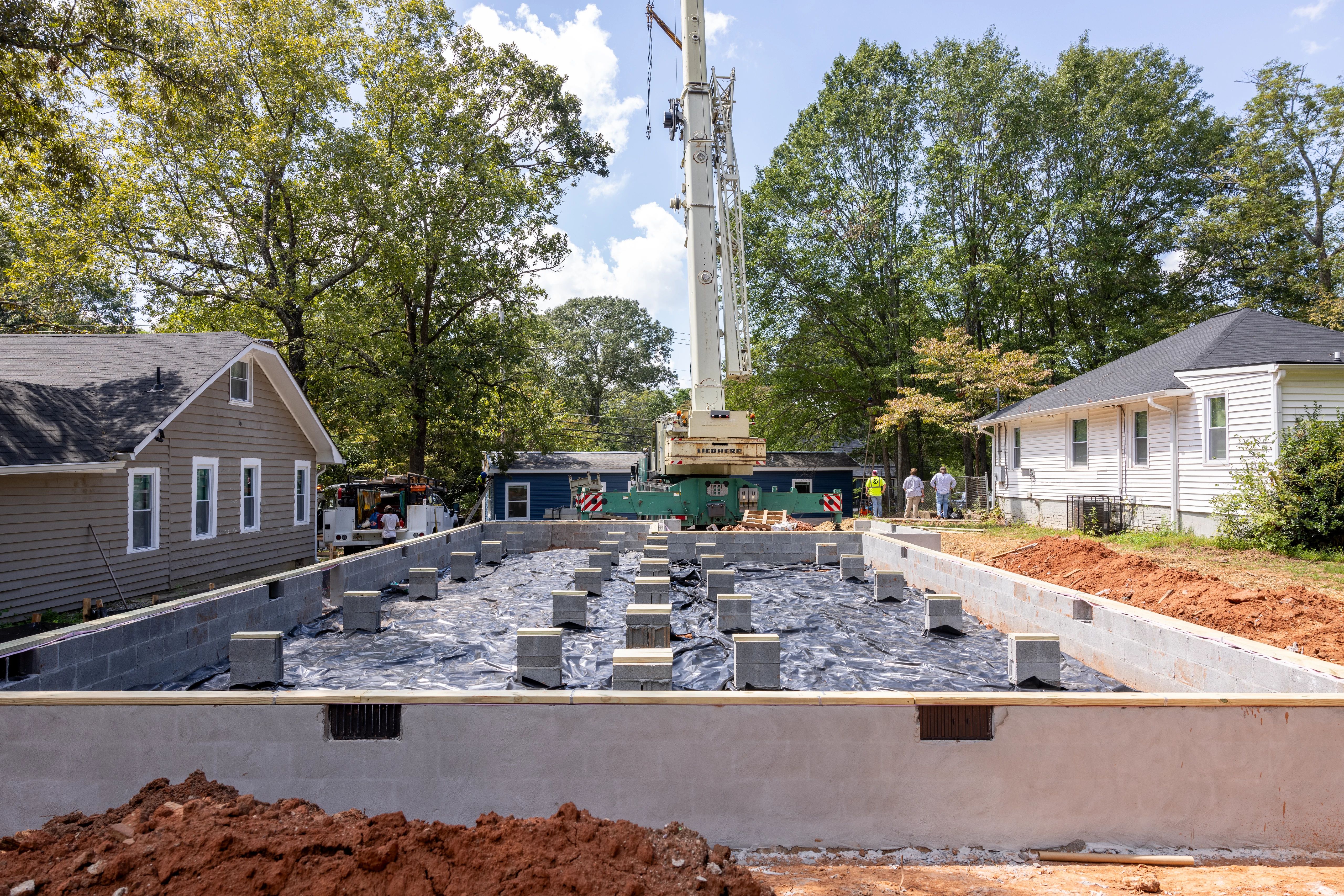
Image Source: images.ctfassets.net
The Advantages of a Manufactured Home Foundation
The decision to place a mobile home on a foundation offers a wealth of benefits that extend far beyond mere aesthetics. It’s a strategic move that can significantly improve the longevity, safety, and financial appeal of your manufactured home.
Enhanced Stability and Durability
One of the primary advantages of a foundation is the unparalleled stability it provides. Unlike traditional methods that rely on piers and anchors alone, a robust foundation acts as a solid base, anchoring the home firmly to the ground. This significantly reduces susceptibility to wind damage, frost heave, and general settling. A well-constructed manufactured home foundation can withstand extreme weather conditions more effectively, offering greater peace of mind.
Increased Property Value
A home built on a foundation is generally perceived as more substantial and permanent, which can lead to a higher resale value. Lenders often view homes with permanent foundations more favorably, making it easier to secure financing or refinancing. This investment in a foundation can pay dividends in the long run.
Improved Insulation and Energy Efficiency
A foundation, particularly a sealed crawl space or a full basement, provides an excellent opportunity for superior insulation. This can dramatically improve the energy efficiency of your home, leading to lower heating and cooling bills. Proper insulation also helps prevent issues like frozen pipes in colder climates.
Protection from Pests and Moisture
Elevating a home on a foundation helps to keep it away from ground-level moisture and potential pest infestations. This is particularly important for preventing wood rot and the intrusion of insects or rodents, which can compromise the structural integrity of your home over time.
Aesthetic Appeal
While not always the primary driver, a foundation can contribute to a more traditional and integrated look for your manufactured home. It can make the home appear more permanent and less “mobile.” This can be further enhanced with the addition of mobile home skirting, which neatly conceals the undercarriage and foundation supports.
Foundation Options for Manufactured Homes
There are several common foundation options for manufactured homes, each with its own set of considerations, costs, and suitability depending on local conditions and regulations.
Concrete Slab Foundation
A concrete slab for mobile home construction is a popular choice. This method involves pouring a solid concrete slab directly onto the prepared ground.
Pros:
* Offers excellent stability and load-bearing capacity.
* Provides a clean, level surface.
* Can help deter pests and moisture.
* Relatively cost-effective compared to other permanent foundations.
Cons:
* Requires extensive site preparation, including excavation and grading.
* Can be more challenging to modify or repair after construction.
* May require specialized techniques for plumbing and electrical connections.
* Less access for under-home maintenance.
Crawl Space Foundation
A crawl space foundation involves building short foundation walls that create a shallow space between the ground and the home’s floor. This space is typically between 18 inches and 4 feet high.
Pros:
* Allows for easier access to plumbing, electrical, and HVAC systems for repairs and maintenance.
* Can be insulated to improve energy efficiency.
* Provides some elevation, reducing moisture and pest concerns.
* Less excavation required compared to a full basement.
Cons:
* Requires proper ventilation and moisture control to prevent issues like mold and rot.
* May require underpinning a mobile home if settling occurs over time.
* Can still be susceptible to frost heave if not constructed properly.
* May require mobile home skirting to enclose the crawl space.
Full Basement Foundation
A full basement foundation involves constructing deep foundation walls that create a usable space beneath the home. This is the most substantial and costly option but offers the most benefits.
Pros:
* Provides significant additional living or storage space.
* Offers the best protection against frost heave and extreme weather.
* Maximizes property value.
* Allows for easy access to all utilities for maintenance.
Cons:
* Most expensive option due to extensive excavation and construction.
* Requires significant site preparation and engineering.
* May not be feasible or permitted in all locations.
Pier and Beam Foundation (with modifications)
While traditional mobile home setups often use piers, a more permanent version can be constructed using concrete piers or poured concrete footings that support load-bearing beams. These beams then support the home.
Pros:
* Can be cost-effective compared to full slabs or basements.
* Allows for some elevation, which can be beneficial.
* Offers moderate access for under-home work.
Cons:
* Less stable than a continuous foundation like a slab or basement.
* More susceptible to shifting and settling over time if not properly engineered and installed.
* Requires robust mobile home anchoring to prevent movement.
* Needs careful mobile home leveling to maintain stability.
* Often requires mobile home skirting to enclose the exposed piers.
The Process of Placing a Mobile Home on a Foundation
Installing a permanent foundation for mobile home construction is a significant undertaking that requires careful planning and execution. It typically involves several key steps:
1. Site Selection and Preparation
- Choosing the Right Location: The chosen site should be well-drained and free from obstructions. Local zoning laws and building codes will dictate where a manufactured home can be placed and what type of foundation is permissible.
- Clearing and Grading: The area needs to be cleared of trees, rocks, and debris. The ground must then be graded to ensure proper drainage away from the foundation site.
- Excavation (if necessary): Depending on the chosen foundation type (slab, crawl space, basement), excavation will be required to prepare the site for footings or the slab itself.
2. Engineering and Permitting
- Professional Engineering: It is highly recommended, and often legally required, to have a licensed engineer design the foundation. They will consider soil conditions, climate, and the weight of the manufactured home to ensure the foundation is structurally sound.
- Obtaining Permits: Local building authorities will require permits for the construction. This process ensures that the foundation meets all safety and building code standards.
3. Foundation Construction
- Footings: For crawl space and basement foundations, concrete footings are poured to support the foundation walls. These distribute the weight of the home and foundation onto the soil.
- Foundation Walls: Walls are then constructed from poured concrete, concrete blocks, or treated lumber, depending on the design and local codes.
- Slab Pouring: For a concrete slab for mobile home, forms are set, reinforcement (rebar or mesh) is placed, and concrete is poured and finished.
- Anchor Bolts and Tie-downs: Crucially, anchor bolts and tie-down straps are embedded in the concrete during construction. These are essential for securely fastening the home to the foundation, forming a critical part of the mobile home anchoring system.
4. Home Placement and Anchoring
- Transporting the Home: The manufactured home is transported from the factory to the site.
- Setting the Home: The home is carefully maneuvered into its final position on the foundation. This often involves hydraulic jacks and specialized equipment to ensure precise placement.
- Securing the Home: The home is then permanently attached to the foundation using the anchor bolts and tie-down straps. This is a critical step in how to secure a mobile home to its permanent base. The connection points are designed to resist uplift, lateral movement, and seismic forces.
5. Finishing Touches
- Utility Connections: Plumbing, electrical, and gas lines are connected from the home to the service entrances.
- Inspections: Building inspectors will conduct final inspections to ensure all work meets code requirements.
- Skirting and Landscaping: Mobile home skirting is installed to enclose the foundation and provide a finished look. Landscaping can then be completed around the home.
Crucial Considerations for a Mobile Home Foundation
Beyond the general steps, several specific points are vital for a successful and compliant foundation installation.
Soil Testing and Analysis
Before any excavation begins, a geotechnical survey or soil test is highly recommended. This analysis provides crucial information about the soil’s load-bearing capacity, stability, and potential for expansion or contraction. This data informs the foundation design, ensuring it’s appropriate for the specific site conditions.
Frost Line and Climate
The depth of the foundation footings must extend below the local frost line to prevent frost heave. Frost heave occurs when water in the soil freezes, expands, and pushes the foundation upwards. Conversely, in very hot climates, soil expansion can also be a concern. The foundation design must account for these environmental factors.
Local Building Codes and Regulations
Adhering to local building codes is paramount. These codes dictate the minimum standards for foundation construction, anchoring, and safety. Failing to comply can lead to rejected permits, costly rework, or even condemnation of the structure. It’s essential to research and follow these regulations precisely.
Load Calculations
A foundation must be designed to support the static weight of the home (walls, floors, roof, appliances) and dynamic loads (wind, snow, occupants). Professional engineers perform these calculations to ensure the foundation can safely bear all anticipated loads without excessive settling or failure.
Mobile Home Anchoring Techniques
Proper mobile home anchoring is not just about bolting the home to the foundation; it’s a system designed to resist various forces. Modern manufactured homes often come with factory-installed tie-down systems. These systems, combined with foundation anchors, create a robust connection. The number, type, and placement of anchors are critical and must follow manufacturer and engineering specifications. This ensures the home remains stable during high winds.
Mobile Home Leveling and Alignment
Achieving perfect mobile home leveling during the installation process is crucial for both structural integrity and occupant comfort. An unlevel home can experience stress on its frame and components, leading to problems like sticking doors and windows, cracked drywall, and potential long-term damage. Once anchored, the home should remain level. Periodic checks may be necessary, and adjustments to the mobile home base may be required if any settling or shifting occurs.
Underpinning a Mobile Home
In some cases, a home that was not originally placed on a permanent foundation may require underpinning a mobile home to stabilize it if it has settled unevenly. This involves reinforcing or replacing the existing piers and supports, or in more extensive cases, adding new foundation elements to improve stability. This is a corrective measure that can significantly improve the safety and lifespan of the home.
Mobile Home Skirting
While mobile home skirting primarily serves an aesthetic purpose by concealing the foundation and undercarriage, it also plays a functional role. It helps protect the area beneath the home from wind, debris, and pests. Proper skirting should allow for ventilation to prevent moisture buildup within the foundation area, especially in crawl spaces. Different materials like metal, vinyl, or concrete blocks can be used for skirting.
Frequently Asked Questions (FAQ)
Q1: Is it always necessary to put a mobile home on a foundation?
While not always legally mandated depending on the region and the classification of the home (manufactured vs. mobile), placing a mobile home on a permanent foundation is highly recommended for long-term stability, durability, and property value. Traditional methods using piers and anchors are often sufficient for temporary placement but lack the robustness of a permanent foundation.
Q2: Can I build a foundation myself, or should I hire a professional?
While some experienced DIYers might attempt certain foundation types, it is strongly advised to hire qualified professionals for foundation construction. Engineers are needed for design, and experienced contractors are essential for proper execution to ensure structural integrity, compliance with codes, and safety. Incorrectly built foundations can be extremely costly and dangerous to rectify.
Q3: What is the average cost of a mobile home foundation?
The cost varies significantly based on the type of foundation, size of the home, local labor rates, and site preparation needs. A concrete slab might range from $8,000 to $20,000 or more, while a full basement could cost $25,000 to $50,000+. It’s crucial to get detailed quotes from multiple contractors.
Q4: Will my insurance premium change if I put my mobile home on a foundation?
In many cases, yes. A home on a permanent foundation is generally considered less risky by insurance companies, potentially leading to lower premiums, especially for wind or storm damage. However, it’s always best to confirm this with your insurance provider.
Q5: Can I move a mobile home that is already on a foundation?
Generally, no. A home permanently affixed to a foundation is considered real property and is not designed to be moved. If a home has been placed on a foundation, it is intended to stay in that location. Moving a home off a permanent foundation would require extensive demolition and reconstruction.
Q6: How long does it take to build a foundation for a mobile home?
The timeline can vary depending on the foundation type, weather conditions, and contractor availability. However, excavation, forming, pouring, and curing for a concrete slab typically takes between one to three weeks. More complex foundations like basements can take longer.
By investing in a proper mobile home base, you are not just providing a place for your manufactured home to sit; you are building a solid, enduring structure that offers security, comfort, and lasting value.