
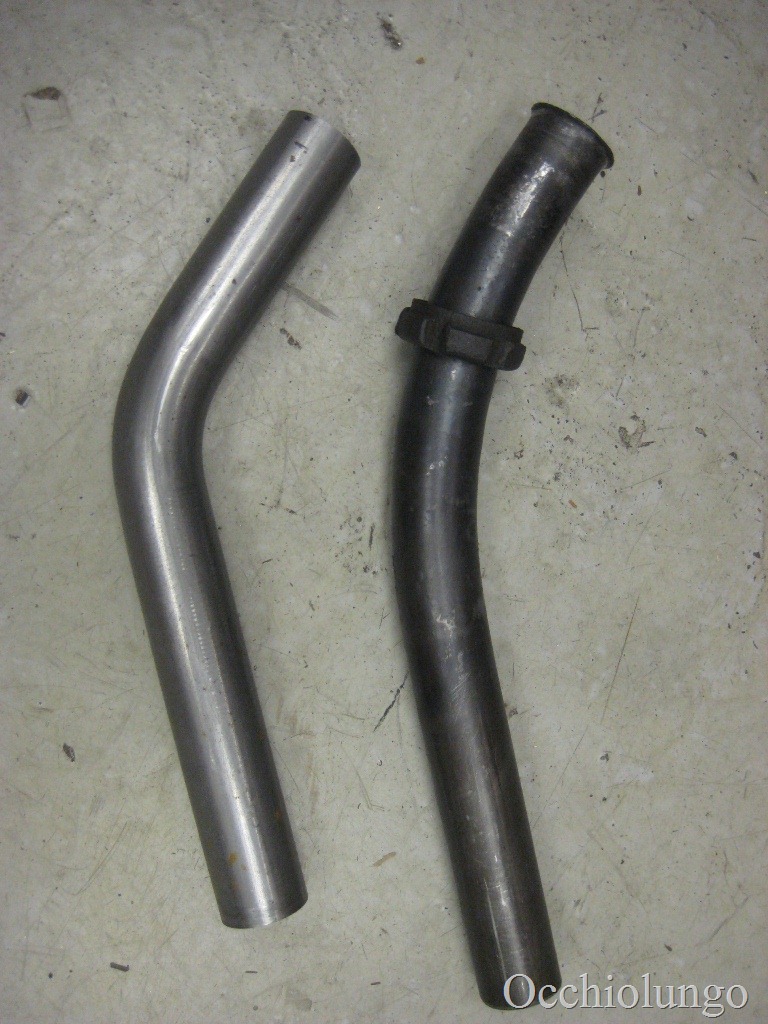
Image Source: occhiolungo.wordpress.com
How To Bend Exhaust Pipe At Home: Easy Steps
Can you bend exhaust pipe at home? Yes, with the right tools and techniques, bending exhaust pipe at home is achievable for most DIY enthusiasts. While professional shops often use specialized equipment like hydraulic or pneumatic pipe benders with expensive dies, there are effective methods you can employ in your garage or workshop for exhaust fabrication and custom exhaust pipe projects. This guide will walk you through the essential steps for bending metal tubing for your automotive exhaust repair techniques or custom exhaust pipe needs.
Why Bend Your Own Exhaust Pipe?
Bending your own exhaust pipe can be incredibly rewarding for several reasons:
- Cost Savings: Professionally bent exhaust sections can be expensive. Doing it yourself can significantly reduce the cost of custom exhaust systems or repairs.
- Customization: Achieve the exact bends and routing you need for a unique custom exhaust pipe, maximizing performance or aesthetics.
- Emergency Repairs: For unexpected exhaust damage, being able to bend a replacement section quickly can get your vehicle back on the road.
- Learning and Skill Development: Mastering DIY exhaust bending is a valuable skill for any car enthusiast, opening up possibilities for further automotive projects.
- Hobby and Satisfaction: There’s a deep satisfaction in creating something with your own hands, especially when it involves modifying and improving your vehicle.
Essential Tools for Bending Metal Tubing
Before you start bending exhaust sections, ensure you have the necessary tools. The method you choose will dictate some of the specific tools, but here’s a general overview:
- Measuring Tape: For precise measurements of your existing exhaust or the desired bends.
- Marker: To mark your bending points and angles.
- Hacksaw or Reciprocating Saw: For cutting the exhaust pipe to length.
- Pipe Cutter: For cleaner, straighter cuts, especially on thinner-walled tubing.
- Sandpaper or Grinding Wheel: To deburr the cut ends of the pipe, ensuring smooth airflow.
- Welder (MIG or TIG recommended): If you need to join sections or create new exhaust components.
- Safety Glasses: Crucial for protecting your eyes from metal shavings and sparks.
- Gloves: To protect your hands from sharp edges and heat.
- Vice or Clamps: To securely hold the pipe while working.
- Protractor or Angle Finder: For accurately measuring and replicating bend angles.
Methods for DIY Exhaust Bending
There are several ways to bend exhaust pipe at home, ranging from simple to more involved. We’ll cover the most practical and accessible methods for most DIYers.
Method 1: Using a Manual Pipe Bender (The Most Recommended DIY Method)
A manual pipe bender, often called a “hickey bar” or a simple lever-style bender, is the most common and effective tool for DIY exhaust bending. While not as precise as hydraulic or mandrel bending at home, it provides good control for most automotive exhaust applications.
What is a Manual Pipe Bender?
A manual pipe bender typically consists of a sturdy frame with a grooved roller (or a series of rollers) that the pipe sits against. A lever arm with a bending shoe or die pushes the pipe against the roller, creating the bend. Many come with different sized dies to accommodate various pipe diameters.
Steps for Using a Manual Pipe Bender:
- Gather Your Bender and Dies: Ensure you have a bender that matches the diameter of your exhaust pipe. Most exhaust pipes are 2.5 inches or 3 inches in diameter. Select the appropriate die for your pipe size.
- Measure and Mark: Accurately measure the section of exhaust pipe you need to bend. Mark the exact point where the bend should begin and the desired angle or radius. Use a protractor to mark the center of your bend.
- Secure the Pipe: Place the exhaust pipe into the bender, ensuring the marking aligns with the center of the bending die. Clamp the pipe securely in place according to the bender’s instructions.
- Position the Bender: Set up the bender on a stable surface. You might need a strong workbench, a vice mounted to a solid structure, or even the ground if the bender is designed for it. Some benders require an anchor point for leverage.
- Apply Gentle Pressure: Slowly and steadily apply pressure to the lever arm of the bender. Watch the pipe closely as it starts to form the bend.
- Check the Angle Frequently: As you bend, stop frequently to check the angle against your mark or a template. It’s easier to add a little more bend than to try and unbend a pipe that has been over-bent.
- Achieve the Desired Bend: Continue applying pressure until you reach the target angle. If you are trying to replicate an existing bend, use that as your guide.
- Remove and Inspect: Once the bend is complete, carefully remove the pipe from the bender. Inspect the bend for any kinks or flattening. A slight flattening can be acceptable, but severe kinking will restrict exhaust flow.
- Cut and Fit: Cut the bent pipe to the required length and fit it into your exhaust system. You may need to weld it in place.
Method 2: Using a Pipe and a Solid Anchor Point (for Simple Bends)
For very simple, large-radius bends or when a dedicated pipe bender isn’t available, you can use a sturdy anchor point and a piece of pipe to leverage against. This method is less precise and more prone to kinking but can work in a pinch for exhaust repair techniques.
Steps for Using a Pipe and Anchor:
- Find a Sturdy Anchor: This could be a strong post, a thick tree, or a heavy piece of equipment.
- Secure the Pipe: Clamp the exhaust pipe securely to the anchor point at the spot where you want the bend to begin.
- Use Leverage: Insert a strong piece of pipe (a “cheater bar” or another piece of exhaust pipe) into the open end of the pipe you want to bend.
- Apply Gradual Force: Slowly and gradually push or pull on the leverage pipe to bend the secured exhaust pipe around the anchor point.
- Monitor for Kinks: Watch the bend very carefully to avoid creating sharp kinks. Apply pressure evenly.
- Check Progress: Periodically release the clamp and check the angle.
- Refine the Bend: Make small adjustments as needed. This method is best for gentle curves.
Method 3: Sand Filling and Bending (for Kink-Free Bends)
This method aims to prevent kinking by filling the pipe with a material that supports the walls from the inside during the bending process. Sand is the most common filling material for DIY exhaust pipe shaping.
What You’ll Need:
- Dry, fine sand (play sand or craft sand works well).
- End caps or plugs that fit snugly into the exhaust pipe ends.
- A way to seal the caps (welding, strong epoxy, or hose clamps with rubber).
- A torch (propane or MAPP gas is usually sufficient) for heating the pipe.
- A manual pipe bender or a strong anchor point as described above.
Steps for Sand Filling and Bending:
- Prepare the Pipe: Clean the exhaust pipe thoroughly.
- Fill with Sand:
- Securely seal one end of the pipe.
- Pour dry sand into the open end. Tap the pipe frequently as you fill it to ensure the sand compacts densely and there are no air pockets. Fill the pipe completely.
- Seal the other end securely. Ensure the seals are strong enough to withstand pressure.
- Heat the Bending Area: Gently heat the section of the pipe you intend to bend with a torch. The goal is to make the metal more pliable, not red-hot. Uniform heating is key.
- Bend the Pipe: Using your manual pipe bender or anchor point method, carefully bend the heated pipe. The sand inside will help maintain the pipe’s shape and prevent it from collapsing or kinking.
- Cool and Empty: Allow the pipe to cool completely. Once cool, remove the end caps and empty the sand.
- Inspect and Fit: Check the bend for any imperfections. You can then cut and fit the pipe as needed for your custom exhaust pipe project.
Important Note: This method requires careful heating to avoid damaging the metal. Overheating can weaken the pipe.
Mandrel Bending vs. Crush Bending
When discussing bending metal tubing, it’s crucial to distinguish between the two primary methods: crush bending and mandrel bending.
-
Crush Bending: This is what most basic DIY methods produce. The outside of the bend is compressed while the inside is stretched, often resulting in some degree of ovalization or flattening. For many general exhaust repair techniques, this is acceptable, but it can slightly reduce airflow.
-
Mandrel Bending: This is the professional standard. A “mandrel” (a series of flexible segments or a solid bar) is inserted into the pipe and moves with it through the bending die. This internal support prevents any flattening or ovalization, maintaining the pipe’s roundness and consistent diameter throughout the bend. This is ideal for high-performance exhaust systems where maximizing airflow is critical.
While achieving true mandrel bending at home is difficult and requires specialized, expensive equipment, the sand-filling method described above is the closest you can get to simulating its kink-free results for DIY exhaust bending.
Tips for Successful Exhaust Pipe Bending
- Practice on Scrap: Before working on your actual exhaust, practice on a piece of scrap pipe to get a feel for the bender and the material.
- Go Slow and Steady: Rushing the bending process is the quickest way to ruin a piece of pipe or create an undesirable bend.
- Mark Accurately: Precise measurements and markings are essential for achieving the desired shape.
- Consider Bend Radius: The tighter the bend radius, the more prone the pipe is to kinking. Larger radius bends are generally easier to achieve without deformation.
- Heat Can Help (Use Wisely): Gentle heating can make the metal more pliable, but overheating can damage it.
- Multiple Small Bends vs. One Big Bend: Sometimes, achieving a complex shape is easier by making several smaller, sequential bends rather than trying to force one large bend.
- Use the Right Die: Always use the die that matches your pipe’s outer diameter to ensure a proper fit and bend.
- Clean Your Cuts: Ensure all cut ends are clean and deburred to allow for smooth exhaust flow and better welding.
- Think About Flow: For performance applications, minimizing restrictions is key. Try to keep bends as smooth and round as possible.
Common Exhaust Pipe Bending Challenges and Solutions
| Challenge | Cause | Solution |
|---|---|---|
| Kinking/Collapsing | Bending too quickly, insufficient support, wrong tool. | Use a manual pipe bender with the correct die, practice slow and steady bends, consider sand filling, or use a larger radius bend. |
| Flattening/Ovalization | Insufficient internal support during bending. | Use the correct die, bend slowly, and consider the sand-filling method for better internal support. |
| Over-bending | Not checking the angle frequently enough. | Stop and check the bend angle often. It’s easier to add more bend than to correct an over-bent pipe. |
| Under-bending | Not applying enough force or not bending far enough. | Apply more steady pressure. If using a manual bender, you might need a longer lever arm or more leverage. |
| Pipe Slipping | Insecure clamping or bender rollers not gripping the pipe. | Ensure the pipe is firmly clamped. Clean any grease or dirt from the pipe and the bender rollers for better grip. |
| Welding Issues | Burnt or thin metal from overheating, poor fitment. | Ensure clean cuts and proper fit before welding. If you heated the pipe, allow it to cool and inspect for any weakened areas. |
Frequently Asked Questions (FAQ)
Q1: What is the best way to bend exhaust pipe at home?
A1: The most recommended method for DIY exhaust bending is using a quality manual pipe bender with the appropriate die for your pipe’s diameter. This provides a good balance of control and accessibility.
Q2: Can I bend exhaust pipe without a special tool?
A2: Yes, for very gentle bends, you can use a sturdy anchor point and a leverage pipe. However, this method is less precise and carries a higher risk of kinking. The sand-filling method also helps achieve better results without highly specialized equipment.
Q3: What kind of pipe is easiest to bend for an exhaust?
A3: Mild steel exhaust tubing is generally the easiest to bend among common exhaust materials. Stainless steel is significantly harder to bend and often requires more heat and stronger tools.
Q4: How do I prevent my exhaust pipe from kinking when bending?
A4: Prevent kinking by using the correct bending die, bending slowly and steadily, and using internal support. The sand-filling method is an excellent DIY technique for providing internal support and minimizing kinks.
Q5: What is mandrel bending at home?
A5: True mandrel bending at home typically requires expensive hydraulic benders with specialized mandrels and tooling that is beyond most DIY budgets. The sand-filling method is the closest DIY simulation to mandrel bending, helping to maintain pipe shape.
Q6: How thick should my exhaust pipe be to bend it easily?
A6: Most standard automotive exhaust pipes are made of 16-gauge or 18-gauge steel (approximately 0.065 to 0.050 inches thick). This thickness is generally manageable for most home bending methods. Thicker wall tubing will require more force and potentially heat.
Q7: Do I need to weld after bending my exhaust pipe?
A7: Usually, yes. Once you’ve bent your exhaust sections to the desired shape, you’ll typically need to weld them into your existing exhaust system or connect them to other components.
In conclusion, with careful planning, the right tools, and a bit of patience, you can successfully bend exhaust pipe at home. Whether you’re tackling exhaust repair techniques, creating a custom exhaust pipe, or embarking on a larger exhaust fabrication project, these methods will equip you to achieve professional-looking results. Happy bending!