
Becoming a homebuilder means you’re responsible for overseeing the entire process of constructing a new house, from the initial design to the final walkthrough. It’s a rewarding career that combines practical skills, business acumen, and a passion for creating living spaces.
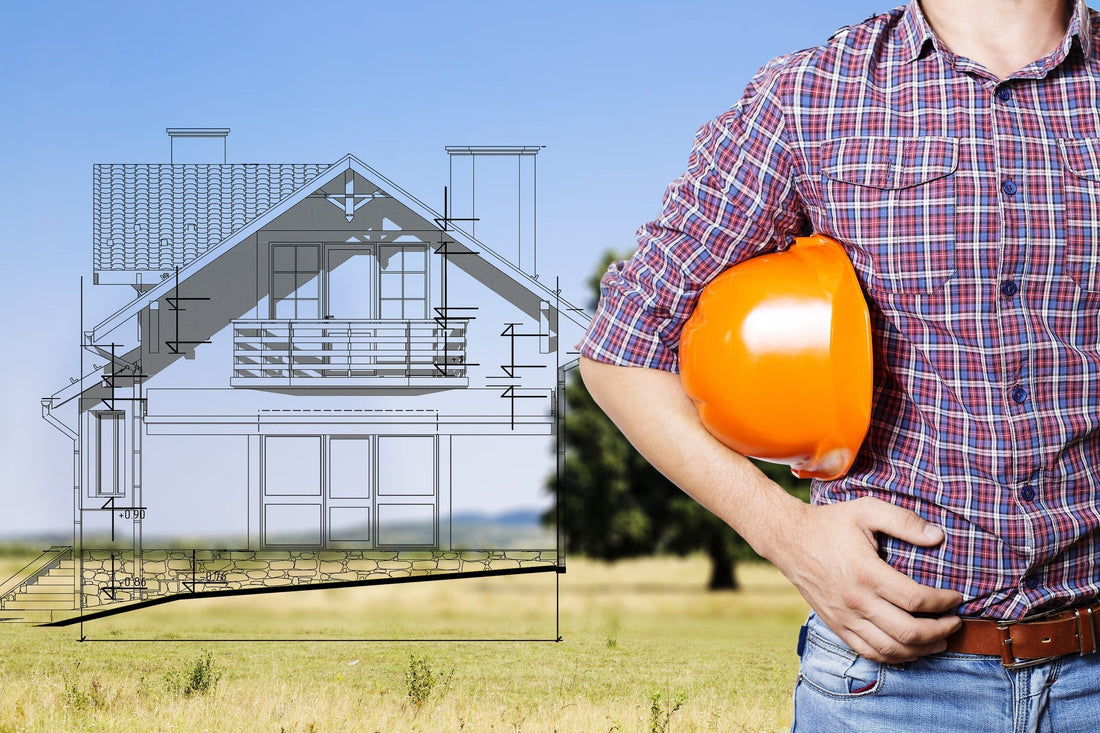
Image Source: contractortrainingcenter.com
The Journey to Becoming a Homebuilder
Embarking on a career as a homebuilder is a multifaceted journey. It requires a blend of education, hands-on experience, and a deep dive into the various stages of residential construction. This path often involves developing skills in construction management, learning about home design, and navigating the complexities of building permits. The ultimate goal is to become a trusted General Contractor who can bring a client’s vision of a new home to life.
Laying the Groundwork: Essential Education and Training
While a specific degree isn’t always mandatory, formal education can provide a strong foundation. Many successful homebuilders have backgrounds in:
- Construction Science or Technology: These programs teach the technical aspects of building, materials, and methods.
- Architecture or Interior Design: A grasp of home design principles is crucial for understanding blueprints and client aesthetics.
- Business Administration or Management: This is vital for managing budgets, schedules, and client relationships.
Beyond formal degrees, consider vocational training and specialized courses in areas like:
- Project Management: Essential for overseeing every aspect of a build.
- Building Codes and Regulations: Crucial for ensuring safety and compliance with building permits.
- Sustainable Building Practices: Increasingly important in modern construction.
Gaining Practical Experience: From the Ground Up
Theory is important, but real-world experience is paramount. Many aspiring homebuilders start their careers by working in various roles within the residential construction industry. This hands-on approach provides invaluable insights into every phase of the building process.
Entry-Level Roles and Their Importance
- Construction Laborer: This foundational role involves assisting skilled tradespeople with tasks like digging, carrying materials, and site cleanup. It’s a direct way to learn about different building materials and basic construction techniques.
- Apprenticeships: Programs with trades like carpentry, plumbing, or electrical work offer structured learning and on-the-job training. Mastering a trade provides a deep understanding of a specific construction element, which is beneficial for a General Contractor.
- Site Assistant/Intern: Working alongside experienced site supervisors or project managers allows you to observe scheduling, coordination, and problem-solving in real-time.
Progression Through the Ranks
As you gain experience, you can move into roles with more responsibility:
- Carpenter: Building structures, installing framing, and working with various wood components. This is a core skill for any builder.
- Foreman: Supervising a crew on-site, managing daily tasks, and ensuring quality workmanship.
- Project Coordinator: Assisting project managers with scheduling, procurement, and documentation.
This gradual progression allows you to develop a comprehensive understanding of the entire construction lifecycle, from site preparation to interior finishing.
Acquiring Essential Skills for a Homebuilder
A successful homebuilder needs a diverse skill set. It’s not just about hammering nails; it’s about orchestrating a complex project.
Technical Proficiencies
- Blueprint Reading: The ability to interpret architectural and structural drawings is non-negotiable.
- Material Knowledge: Knowing the properties and best uses of different building materials is crucial for cost-effectiveness and durability.
- Construction Techniques: Proficiency in various methods, from foundation building to roofing, ensures quality and efficiency.
- Understanding of Building Codes: Staying current with local and national building regulations is vital for obtaining building permits and ensuring safety.
Management and Soft Skills
- Project Management: This encompasses planning, scheduling, budgeting, and resource allocation. Effective construction management is key.
- Leadership: Inspiring and directing a team of tradespeople and subcontractors.
- Communication: Clearly communicating with clients, architects, subcontractors, and inspectors.
- Problem-Solving: Addressing unexpected issues that arise during construction quickly and effectively.
- Financial Management: Managing project budgets, bids, and invoices.
- Negotiation: Securing favorable terms with suppliers and subcontractors.
- Customer Service: Building trust and rapport with clients, managing their expectations, and ensuring satisfaction.
Navigating the Legal and Administrative Landscape
Becoming a homebuilder involves more than just physical construction; it requires a solid grasp of the administrative and legal aspects.
Licensing and Permits
- General Contractor License: Most states and municipalities require a license to operate as a General Contractor. Requirements vary, often including experience, exams, and proof of insurance.
- Business Licenses: Registering your business with local and state authorities is a standard procedure.
- Building Permits: Every construction project requires building permits. Obtaining these involves submitting detailed plans and undergoing inspections at various stages. Failure to secure the correct permits can lead to costly delays and legal issues.
- Insurance: Carrying adequate liability insurance, workers’ compensation, and builder’s risk insurance is essential for protecting your business and clients.
Contractual Agreements
- Client Contracts: Drafting clear, comprehensive contracts with homeowners outlining the scope of work, materials, timeline, and payment terms is crucial.
- Subcontractor Agreements: Establishing formal agreements with specialized trades ensures clear expectations and responsibilities.
The Homebuilding Process: A Step-by-Step Overview
A homebuilder oversees each critical stage of residential construction. Here’s a look at the typical phases:
1. Pre-Construction and Design
- Client Consultation: Discussing the client’s vision, budget, and timeline.
- Home Design: Collaborating with architects or designers to create detailed plans and specifications. This phase involves home design considerations for aesthetics, functionality, and structural integrity.
- Budgeting and Bidding: Estimating costs for labor, materials, and permits, and preparing bids.
- Securing Financing: Ensuring that both the builder and the client have the necessary funds.
- Obtaining Building Permits: Submitting plans to local authorities and securing all required building permits.
2. Site Preparation and Foundation
- Site Analysis: Evaluating the land for suitability, drainage, and access.
- Site Preparation: Clearing the land, grading the soil, and establishing utility connections. This is the initial site preparation phase.
- Excavation: Digging for the foundation and any basement or crawl spaces.
- Foundation Building: Pouring concrete footings, walls, and slabs. This critical step, known as foundation building, determines the stability of the entire structure.
3. Framing and Structural Work
- Framing: Constructing the skeleton of the house using wood or steel. This includes walls, floors, and roof structures. Proper framing is essential for the structural integrity of the home.
- Sheathing: Covering the exterior framing with plywood or OSB for stability and a base for the exterior finish.
- Roofing: Installing the roof structure, underlayment, and the final roofing material. A well-executed roofing installation protects the house from the elements.
- Window and Door Installation: Installing exterior windows and doors to enclose the building envelope.
4. Mechanical, Electrical, and Plumbing (MEP) Rough-In
- Plumbing: Installing water supply and drainage pipes.
- Electrical: Running wiring for lights, outlets, and appliances.
- HVAC: Installing heating, ventilation, and air conditioning systems.
These systems are typically installed within the walls before they are closed up.
5. Insulation and Drywall
- Insulation: Installing insulation in walls, attics, and floors for energy efficiency and comfort.
- Drywall Installation: Hanging and finishing drywall on interior walls and ceilings.
6. Interior and Exterior Finishing
- Exterior Finishes: Applying siding, stucco, brick, or other exterior cladding. Painting and trim work are also part of this stage.
- Interior Trim: Installing baseboards, door casings, and window trim.
- Flooring: Laying carpet, tile, hardwood, or laminate flooring.
- Cabinetry and Countertops: Installing kitchen and bathroom cabinets and countertops.
- Painting: Applying paint or other finishes to interior walls and ceilings.
- Fixture Installation: Installing lights, plumbing fixtures, and appliances. This is the culmination of the interior finishing process.
7. Final Inspections and Handover
- Final Inspections: Coordinating with building inspectors to ensure all work meets code requirements.
- Punch List: Creating a list of minor deficiencies or touch-ups that need to be addressed.
- Client Walkthrough: Conducting a final tour of the home with the client to ensure satisfaction.
- Project Closeout: Providing clients with warranties, manuals, and final documentation.
The Role of a General Contractor
A General Contractor acts as the primary manager of a construction project. Their responsibilities include:
- Hiring and Managing Subcontractors: Selecting and overseeing specialized trades like plumbers, electricians, and HVAC technicians.
- Procuring Materials: Ordering and ensuring the timely delivery of all necessary building materials.
- Scheduling: Developing and adhering to a detailed project schedule, coordinating the work of different trades.
- Quality Control: Ensuring that all work is performed to a high standard and meets building codes.
- Budget Management: Tracking expenses, managing payments to subcontractors and suppliers, and staying within the project budget.
- Risk Management: Identifying potential problems and developing solutions to mitigate risks.
- Client Communication: Keeping the client informed about project progress, addressing concerns, and facilitating decision-making.
Building Your Brand and Reputation
In the competitive field of residential construction, a strong brand and reputation are vital for attracting clients and securing profitable projects.
Key Strategies for Brand Building
- Deliver Quality Work: Consistently producing high-quality homes is the best way to build a positive reputation.
- Excellent Customer Service: Prioritizing client satisfaction leads to positive word-of-mouth referrals.
- Professionalism: Maintaining a professional demeanor in all interactions, from initial meetings to final handover.
- Online Presence: Developing a professional website showcasing your portfolio, testimonials, and company information. Utilize social media to share project updates and engage with potential clients.
- Networking: Building relationships with architects, designers, real estate agents, and other industry professionals.
- Certifications and Affiliations: Joining professional organizations like the National Association of Home Builders (NAHB) can lend credibility.
Client Testimonials and Portfolio
- Gathering Testimonials: Actively request feedback from satisfied clients. Positive reviews are powerful marketing tools.
- Building a Portfolio: Documenting your projects with high-quality photos and descriptions. A well-curated portfolio demonstrates your capabilities and style. This should highlight your expertise in home design integration and the quality of your interior finishing.
The Financial Aspects of Homebuilding
Homebuilding is a business, and financial acumen is crucial for success.
Startup Costs and Funding
- Initial Investment: Depending on your approach, you might need funds for licensing, insurance, office space, tools, and marketing.
- Business Loans: Many builders secure loans to finance their operations and projects.
- Personal Savings: Using your own funds can reduce reliance on external financing.
Profitability and Pricing
- Estimating Costs Accurately: The ability to provide precise cost estimates for site preparation, foundation building, framing, roofing, and interior finishing is key to profitability.
- Markup Strategies: Determining appropriate markups for labor, materials, and overhead to ensure a healthy profit margin.
- Contingency Planning: Including a contingency fund in your estimates to cover unforeseen expenses.
Challenges and Rewards of Homebuilding
The life of a homebuilder is not without its difficulties, but the rewards can be substantial.
Common Challenges
- Unpredictable Weather: Affecting construction schedules.
- Material Shortages and Price Fluctuations: Impacting budgets and timelines.
- Labor Shortages: Finding skilled tradespeople can be difficult.
- Permitting Delays: Navigating bureaucratic processes for building permits.
- Managing Client Expectations: Balancing client desires with budget and feasibility.
- Regulatory Changes: Adapting to new building codes and environmental regulations.
Significant Rewards
- Tangible Accomplishment: The satisfaction of creating a physical structure from plans.
- Client Satisfaction: Seeing happy clients move into their dream homes.
- Business Ownership: The autonomy and potential for financial success that comes with running your own business.
- Problem-Solving: The intellectual stimulation of overcoming construction challenges.
- Community Impact: Contributing to the growth and development of communities by building quality homes.
The Future of Homebuilding
The homebuilding industry is constantly evolving, driven by technological advancements and changing consumer demands.
- Technology Integration: Increased use of Building Information Modeling (BIM) for design and construction management, drones for site surveys, and project management software for efficiency.
- Sustainable Building: Growing demand for energy-efficient homes, green materials, and environmentally friendly construction practices.
- Prefabrication and Modular Construction: Off-site construction methods are gaining traction for their speed and efficiency.
- Smart Home Technology: Integrating automated systems for lighting, security, and climate control into new homes.
Aspiring homebuilders who embrace these trends will be well-positioned for long-term success in residential construction.
Frequently Asked Questions About Becoming a Homebuilder
Q1: Do I need a college degree to become a homebuilder?
A1: While not strictly required in all cases, a college degree in construction management, architecture, engineering, or a related field can provide a strong educational foundation. Hands-on experience and vocational training are also highly valued.
Q2: What is the average salary of a homebuilder?
A2: The salary of a homebuilder can vary significantly based on experience, location, the size of projects managed, and whether they own their own business or work for a larger company. A General Contractor can earn a good income, often with profit sharing or company ownership.
Q3: How long does it take to become a homebuilder?
A3: The timeline varies. It can take several years of hands-on experience in various roles within residential construction, potentially combined with education and apprenticeships, before one is ready to take on the responsibilities of a full-fledged homebuilder or General Contractor.
Q4: What are the most important skills for a homebuilder?
A4: Key skills include construction management, project planning, budgeting, problem-solving, communication, leadership, blueprint reading, knowledge of building codes, and understanding of materials and home design.
Q5: What are the typical stages of home construction that a builder oversees?
A5: A builder oversees site preparation, foundation building, framing, roofing, mechanical rough-ins, insulation, drywall, exterior and interior finishing, and final inspections.
Q6: How do I get a General Contractor license?
A6: Licensing requirements vary by state and locality. Generally, you’ll need to demonstrate relevant experience, pass an exam covering construction law and building permits, and obtain appropriate insurance.
Q7: Is homebuilding a physically demanding career?
A7: While homebuilders often spend time on-site overseeing operations, the role is less physically demanding than that of a tradesperson. However, it requires stamina, long hours, and the ability to navigate construction sites.
Q8: What is the role of building permits in home construction?
A8: Building permits are official approvals from local government that allow construction to proceed. They ensure that plans meet safety standards and zoning regulations. A builder is responsible for obtaining and adhering to these permits throughout the construction process.
Q9: How important is home design knowledge for a builder?
A9: Crucial. A builder must be able to interpret and execute home design plans, ensuring aesthetic coherence, structural integrity, and functionality. They often collaborate with clients and designers on design elements.
Q10: What is involved in interior finishing?
A10: Interior finishing encompasses all the final touches inside a house, such as installing trim, doors, cabinets, countertops, flooring, painting, and fixtures. It’s where the house truly takes on its livable appearance.