
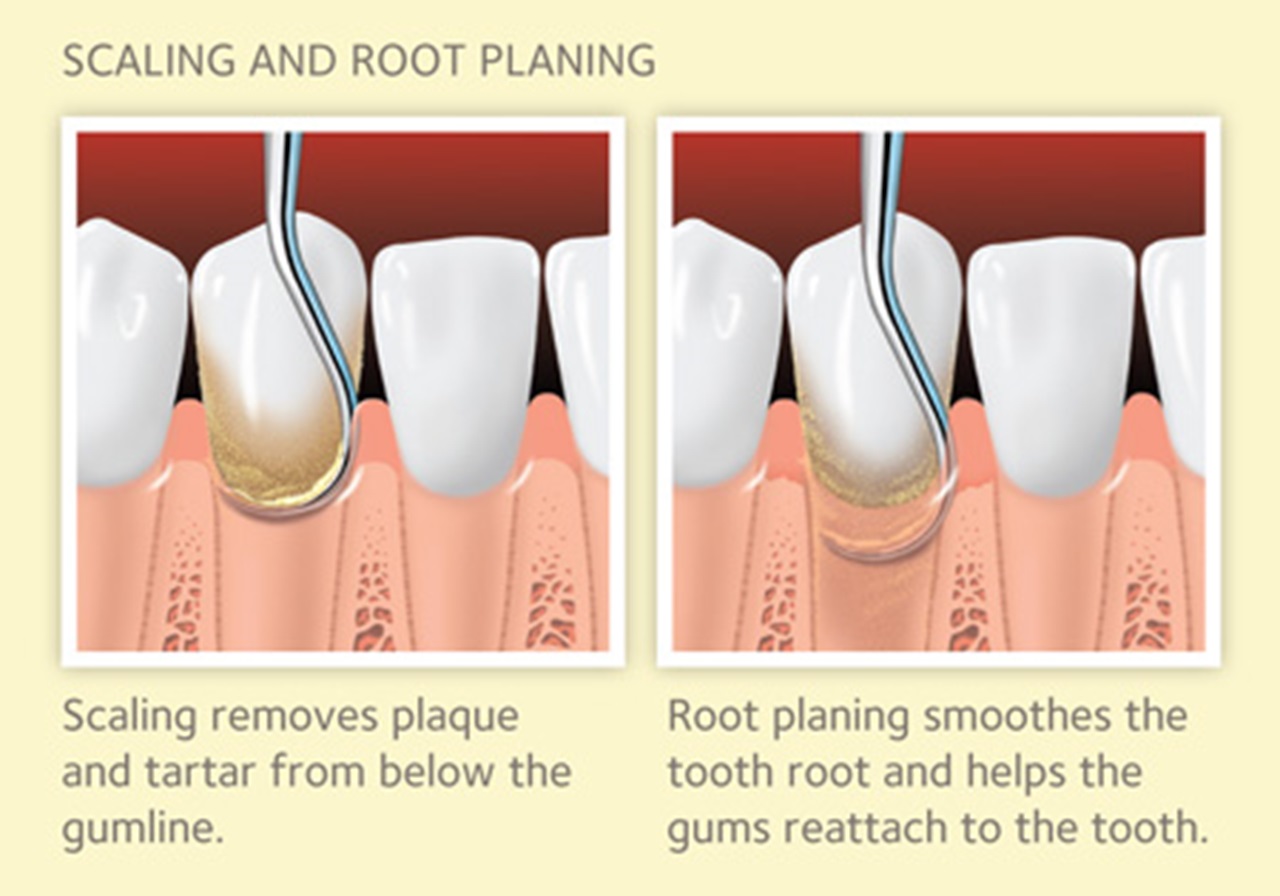
Image Source: www.mouthhealthy.org
How To Clean Below The Gum Line At Home Guide
Can you clean below the gum line at home? Yes, you can effectively clean below the gum line at home with the right techniques and tools. This guide will show you how.
Proper oral hygiene is crucial for maintaining healthy gums and teeth. Many people focus on brushing and flossing the visible surfaces of their teeth, but what about the area just below the gum line? This hidden zone is where plaque and bacteria can accumulate, leading to gum disease. Fortunately, you can achieve thorough subgingival cleaning at home with the right approach.
The Importance of Cleaning Below the Gum Line
Your gums are the protective barrier for your teeth’s roots. When plaque builds up below the gum line, it can irritate the gums, causing inflammation, bleeding, and eventually, more serious problems like gum pocket cleaning issues and bone loss. This buildup is often the start of gingivitis and, if left untreated, can progress to periodontitis, a more severe form of gum disease. Therefore, removing plaque below gums is essential for long-term oral health.
Why You Can’t Ignore the Hidden Zone
- Plaque Accumulation: Food particles and bacteria naturally settle in the crevices where teeth meet gums.
- Inflammation and Bleeding: Early signs of gum irritation include redness and bleeding, often occurring during brushing or flossing.
- Gum Disease Progression: Untreated plaque leads to deeper pockets and potential damage to the supporting bone.
- Bad Breath: Bacteria in these hidden areas can cause persistent bad breath.
Fathoming the Depth: What is the Gum Line?
The gum line, also known as the gingival margin, is the edge of the gum that surrounds your teeth. When we talk about cleaning below the gum line, we are referring to the area in the small space between the tooth and the gum, often called the gingival sulcus. This space is normally very shallow, typically 1-3 millimeters deep. However, in cases of gum disease, these spaces can deepen, forming what are commonly referred to as “gum pockets.”
What Happens in a Gum Pocket?
A gum pocket is essentially a deepened gingival sulcus. These pockets are created when gums become inflamed and pull away from the teeth, or when gum tissue swells.
- Increased Depth: Pockets can range from slightly deeper than normal to several millimeters deep.
- Bacteria Trapping: Deeper pockets provide more space for harmful bacteria to thrive, shielded from regular brushing and flossing.
- Destruction of Tissue: Over time, these bacteria and the body’s inflammatory response can damage the tissues and bone that support the teeth.
Essential Tools for DIY Gum Care
To effectively clean below the gum line, you’ll need more than just a regular toothbrush. Here are some of the best tools for cleaning gums and achieving a thorough clean:
Toothbrushes
- Soft-Bristled Toothbrush: Always opt for a soft-bristled brush. Stiff bristles can damage gums and even cause gum recession, exposing more of the tooth root.
- Electric Toothbrushes: Many electric toothbrushes have oscillating or sonic action that can be more effective at dislodging plaque than manual brushing, especially along the gum line. Look for models with specific gum care settings or heads.
Interdental Cleaners (Crucial for Flossing Below Gum Line)
- Dental Floss: This is the gold standard for interdental cleaning techniques. Waxed, unwaxed, tape, or flavored – choose what works best for you. The key is to use it correctly.
- Interdental Brushes: These small brushes are excellent for cleaning wider spaces between teeth, particularly if you have braces, bridges, or larger gaps. They come in various sizes.
- Water Flossers (Oral Irrigators): These devices use a stream of water to flush out food particles and plaque from between teeth and along the gum line. They can be very effective for reaching areas that are difficult to clean with floss or brushes.
- Dental Picks/Picks: Some plastic or wooden dental picks are designed to gently clean between teeth and just below the gum line. Use with caution to avoid injuring your gums.
Other Helpful Items
- Tongue Scraper: While not directly for below the gum line, a clean tongue reduces overall bacteria in the mouth.
- Antimicrobial Mouthwash: Can help reduce bacteria in the mouth, but it’s not a substitute for mechanical cleaning.
Mastering the Techniques: Deep Cleaning Teeth at Home
Achieving a deep cleaning teeth at home involves more than just scrubbing. It’s about precision and reaching those critical areas.
1. The Art of Brushing
- The Bass Method (Modified): This is widely recommended for effective plaque removal along the gum line.
- Hold your toothbrush at a 45-degree angle to your teeth, with the bristles directed towards the gum line.
- Gently vibrate the brush back and forth using short, back-and-forth strokes, allowing the bristles to enter the sulcus (the space below the gum line).
- Brush gently, focusing on one or two teeth at a time.
- Brush the outer surfaces, inner surfaces, and chewing surfaces of all teeth.
- Tilt the brush vertically to clean the back surfaces of your front teeth.
- Tongue Cleaning: Don’t forget to gently brush your tongue to remove bacteria.
2. The Crucial Step: Flossing Below Gum Line
Flossing is non-negotiable for cleaning between teeth and below the gum line.
- The Correct Floss Technique:
- Start with about 18 inches of floss. Wind most of it around one of your middle fingers, and the rest around the same finger of the opposite hand.
- Hold the floss tightly between your thumbs and forefingers.
- Gently guide the floss between your teeth using a sawing motion. Never snap the floss into your gums.
- Curve the floss into a “C” shape against one tooth. Gently slide it into the space between the gum and the tooth until you feel resistance.
- Rub gently up and down the side of the tooth, making sure to go slightly below the gum line.
- Repeat on the adjacent tooth, still using a clean section of floss.
- As you move from tooth to tooth, unwind floss from the clean finger and wind used floss around the other.
3. Utilizing Interdental Brushes
- Choosing the Right Size: Interdental brushes come in various sizes. Select one that fits snugly into the spaces between your teeth without forcing it. The bristles should gently touch the tooth surfaces and gums.
- Gentle Motion: Insert the brush and move it gently in and out several times. Ensure you are cleaning both the sides of the teeth and the area below the gum line.
- Cleaning Technique:
- Angle the brush towards the chewing surface of the teeth or the root surface if there’s a pocket.
- Move the brush in and out, allowing the bristles to sweep away plaque.
- Rinse the brush after each use.
4. Water Flossers: A Powerful Addition
Water flossers are excellent for individuals who find traditional flossing difficult or for those with specific dental work like braces or implants.
- How to Use:
- Fill the reservoir with lukewarm water (or a therapeutic rinse if recommended by your dentist).
- Select a low-pressure setting initially, especially if you are new to water flossing or have sensitive gums.
- Place the tip just above the gum line.
- Aim the water stream at the space between the teeth and along the gum line.
- Trace your gum line and pause briefly between each tooth.
- Follow the recommended pattern for your specific device.
Oral Hygiene for Gum Disease: Specific Considerations
If you are dealing with early signs of gum disease, or have been diagnosed with it, a more diligent approach to oral hygiene for gum disease is necessary.
Recognizing the Signs
- Red, swollen, or tender gums
- Bleeding gums when brushing or flossing
- Receding gums (teeth appear longer)
- Persistent bad breath
- Loose teeth
Enhancing Your Routine
- Gentle but Thorough: Focus on gentle, thorough cleaning below the gum line. Avoid aggressive scrubbing, which can worsen inflammation and recession.
- Frequency: Aim to floss at least once a day, and brush twice a day.
- Consider a Dentist’s Advice: If you have moderate to severe gum disease, professional cleaning (scaling and root planing) is essential. Your dentist or hygienist can also provide personalized advice and demonstrate the best techniques for your specific needs. They can help identify areas where you might be missing plaque.
Preventing Gum Recession with Proper Care
Gum recession is a common concern where gum tissue pulls back, exposing the root of the tooth. This can happen due to aggressive brushing, gum disease, or genetics. Proper cleaning techniques can help in preventing gum recession.
What Contributes to Recession?
- Overly Aggressive Brushing: Using too much force or stiff bristles.
- Gum Disease: Inflammation and infection damage gum tissue.
- Genetics: Some people are predisposed to thinner gum tissue.
- Grinding or Clenching Teeth: This can put excessive pressure on gums.
How Gentle Cleaning Helps
- Soft Bristles: Always use a soft-bristled toothbrush.
- Correct Angle: Use the Bass method at a 45-degree angle to clean the gum line without traumatizing the tissue.
- Consistent Flossing: Regular, gentle flossing helps remove plaque that can irritate gums and contribute to recession.
- Hydration: Staying hydrated can help maintain healthy saliva flow, which is protective for gums.
What Not to Do: Common Mistakes to Avoid
Even with the best intentions, some habits can hinder your efforts to clean below the gum line.
Pitfalls to Sidestep
- Aggressive Brushing: As mentioned, this is a major cause of gum irritation and recession.
- Skipping Flossing: This is the most common mistake. If you don’t floss, you are missing a significant portion of plaque removal.
- Using the Wrong Tools: Stiff bristles or abrasive toothpaste can damage delicate gum tissue.
- Forcing Interdental Cleaners: If an interdental brush or floss doesn’t fit easily, try a different size or consult your dentist. Forcing can cause bleeding or damage.
- Relying Solely on Mouthwash: Mouthwash can be a helpful adjunct, but it cannot replace mechanical cleaning to remove plaque.
Making it a Habit: Consistency is Key
The most effective way to clean below the gum line is to make it a consistent part of your daily routine.
Building a Healthy Habit
- Schedule It: Treat flossing and proper brushing as important appointments with yourself.
- Visual Reminders: Keep your floss or interdental brushes in a visible spot.
- Start Small: If you’re new to flossing, start with just a few teeth and gradually increase.
- Patience: It takes time to develop a new habit and master new techniques. Be patient with yourself.
- Regular Dental Check-ups: Visit your dentist and hygienist regularly. They can identify areas you might be missing and offer guidance.
Frequently Asked Questions (FAQ)
Q1: How often should I floss to clean below the gum line?
A1: It is recommended to floss at least once a day. This ensures that plaque and food particles are removed from between teeth and along the gum line before they can cause problems.
Q2: Can I really get a deep cleaning at home?
A2: You can perform a thorough cleaning at home that targets the gum line and interdental spaces. While it may not be as comprehensive as a professional deep cleaning (scaling and root planing) performed by a dentist, consistent home care is vital for maintaining gum health and preventing the need for more intensive treatments. The goal of home care is to prevent plaque buildup from reaching a point where it requires professional intervention.
Q3: My gums bleed when I floss. What should I do?
A3: If your gums bleed when you floss, it’s usually a sign of inflammation, often due to plaque buildup. Continue to floss gently and consistently. The bleeding should subside within a week or two as your gums become healthier. If the bleeding persists or is heavy, consult your dentist, as it could indicate more advanced gum disease.
Q4: Are water flossers better than traditional floss for cleaning below the gum line?
A4: Both water flossers and traditional floss are effective tools for cleaning below the gum line. Traditional floss is excellent for scraping plaque off the tooth surface. Water flossers are great for flushing out debris and bacteria from deeper pockets and hard-to-reach areas, especially for those with braces or other dental work. Many people find using both in their routine provides the most comprehensive clean.
Q5: What are the best tools for cleaning gums that are sensitive or receding?
A5: For sensitive or receding gums, opt for very soft-bristled toothbrushes and use gentle techniques. Focus on precise, gentle motions with floss or interdental brushes, angling them carefully to avoid further irritation. Water flossers on a low setting can also be beneficial. Always consult your dentist for personalized recommendations if you have significant sensitivity or recession.
By incorporating these techniques and tools into your daily routine, you can effectively clean below the gum line at home, promoting healthier gums, stronger teeth, and a brighter smile for years to come. Remember, consistency and gentle thoroughness are your greatest allies in oral health.