
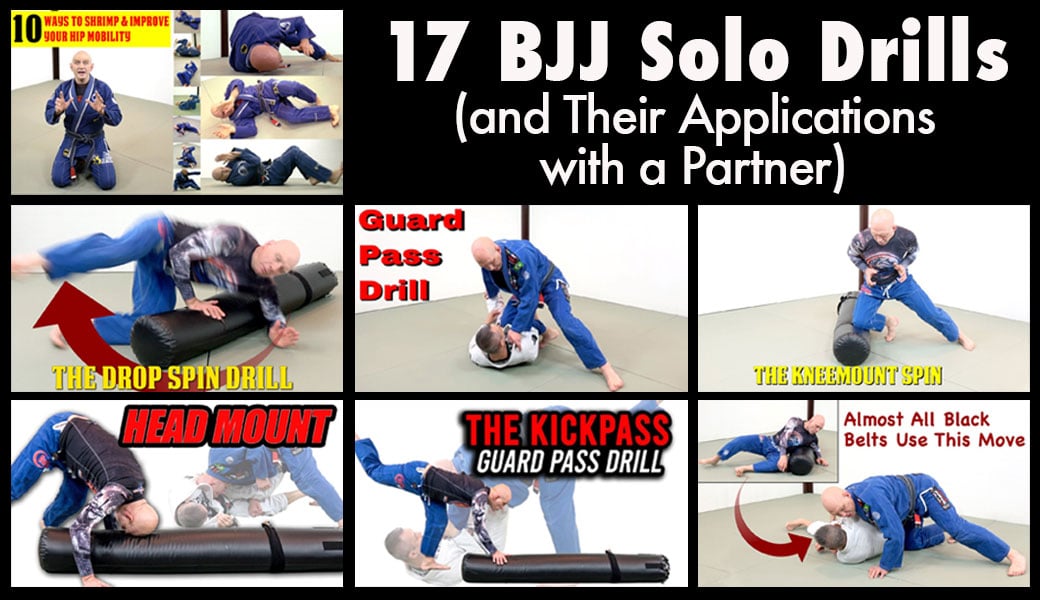
Image Source: www.grapplearts.com
How To Learn BJJ At Home Safely & Effectively
Can I learn BJJ at home? Yes, you absolutely can learn Brazilian Jiu-Jitsu (BJJ) at home, and effectively so, provided you approach it with a structured plan, focus on safety, and leverage the right resources. While the ultimate experience of live rolling with a qualified instructor and training partners is invaluable, a dedicated home practice can build a strong foundation and significantly improve your skills.
Learning BJJ at home offers a unique opportunity to dive deep into the art at your own pace. It’s a fantastic way to supplement mat time, prepare for classes, or even get started if gym access is limited. This guide will walk you through how to embark on this journey safely and effectively, focusing on building solid BJJ fundamentals and incorporating valuable BJJ drills and BJJ solo training.
Building Your Home BJJ Foundation
Starting BJJ at home requires a different mindset than walking into a gym. You’re your own instructor, your own training partner, and your own safety manager. This means prioritizing quality over quantity and being meticulous about your practice.
What You Need for Home BJJ Practice
Before you start any BJJ practice, ensure you have the right setup. Safety and proper execution are key.
- Space: Find a clear, safe area in your home. Remove any furniture or obstacles that could cause injury. A yoga mat or a few interlocking foam mats are highly recommended to cushion falls and provide grip. The larger the space, the more fluidly you can move.
- Comfortable Clothing: Wear athletic clothing that allows for a full range of motion. Think t-shirts, shorts, or spats. Avoid anything too baggy that could snag.
- Reliable Internet Connection: If you plan to use online resources, a stable internet connection is crucial for smooth video playback and access to instruction.
- Mirror (Optional but Helpful): A mirror can help you check your body positioning and ensure you’re performing Jiu Jitsu movements correctly.
- Mat (Optional but Recommended): Even a simple yoga mat provides a softer surface for drilling and falling.
Key Principles for Home BJJ Learning
- Focus on Fundamentals: Don’t try to learn advanced techniques immediately. Concentrate on the core BJJ fundamentals: posture, base, shrimping, bridging, technical stand-ups, and basic guard retention. These form the bedrock of all effective grappling techniques.
- Safety First: This cannot be stressed enough. You don’t have an instructor there to correct dangerous movements. Move slowly and deliberately, especially when practicing new Jiu Jitsu movements. If something feels wrong or painful, stop.
- Consistency is Crucial: Short, frequent practice sessions are more effective than infrequent, long ones. Aim for 15-30 minutes of focused practice daily or several times a week.
- Visualize: As you practice BJJ drills, visualize yourself applying these techniques against an opponent. This mental rehearsal strengthens muscle memory and tactical awareness.
- Learn to Fall Safely: Proper falling (ukemi) is a fundamental aspect of martial arts. Practice controlled forward, backward, and sideways falls on your mat. This is vital for submission defense at home and general safety.
Essential BJJ Drills for Solo Training
BJJ solo training is the cornerstone of learning BJJ at home. It allows you to refine movements, build strength, and improve coordination without a partner.
Movement Drills
These drills focus on the fundamental body mechanics of BJJ.
- Shrimping (Hip Escape): This is arguably the most important BJJ movement.
- How to practice: Lie on your back with knees bent. Push off your hands and feet to move your hips to one side, bringing your knees towards your chest. Then, reverse the motion to move to the other side. Focus on a fluid, continuous motion.
- Benefits: Creates space, helps you escape bad positions, and is essential for guard retention.
- Bridging: Used to escape from bottom positions.
- How to practice: Lie on your back, knees bent, feet flat on the floor. Drive through your feet and shoulders, lifting your hips off the ground. Try to twist your hips to one side as you bridge.
- Benefits: Generates power to escape side control, mount, and other dominant positions.
- Technical Stand-Up: A safe and effective way to get up from the bottom.
- How to practice: Start on your knees. Bring one leg forward to a knee-on-foot position, keeping your hips low. Post on the opposite hand, drive through your feet, and stand up, bringing your legs together.
- Benefits: A fundamental skill for transitioning from the bottom to a neutral or dominant position.
- Forward/Backward Rolls:
- How to practice: Practice controlled rolls, ensuring you tuck your chin and roll over your shoulder, not your head.
- Benefits: Improves body awareness, coordination, and is a key part of transitioning in grappling.
Positional Drills
These drills focus on specific positions and transitions.
- Guard Recovery Drills: Practicing getting your guard back when an opponent has passed.
- How to practice: Imagine an opponent is in your closed guard. Practice shrimping to create space and re-establishing your guard by bringing your legs back between you and the imaginary opponent.
- Benefits: Crucial for maintaining a strong defensive posture.
- Mount Escapes:
- How to practice: Lie on your back as if someone is in mount. Practice bridging and shrimping to create space and try to return to guard or a side control position.
- Benefits: Essential for getting out of a disadvantageous position.
- Side Control Escapes:
- How to practice: Lie on your side. Practice shrimping to create space and bridging to try and bring your knees back to your guard. You can also practice “grapevine” escapes.
- Benefits: Helps you survive dominant positions.
Submission Drills (Controlled)
While you can’t practice submissions on a live person without risk, you can drill the mechanics.
- Armbar Mechanics:
- How to practice: From your guard, practice the motion of swinging your leg over an opponent’s head and securing the arm. Focus on hip movement and body control.
- Benefits: Develops the physical sequencing of the submission.
- Triangle Choke Mechanics:
- How to practice: Practice the leg movement to trap an arm and the head. Focus on hip shrimping to get the angle.
- Benefits: Builds muscle memory for this common submission.
Learning BJJ Online: Leveraging Resources
Learning BJJ online has become incredibly accessible. Numerous high-quality platforms offer detailed instruction.
Popular Online BJJ Resources
- YouTube: A treasure trove of free content. Look for reputable instructors and academies. Channels like “Chewjitsu,” “Stephan Kesting,” and “BJJ Fanatics” offer excellent tutorials.
- Subscription Platforms: Sites like BJJFanatics.com, GrapplerFit, and The Jiu-Jitsu X offer structured courses from world-class athletes and coaches. These often provide a more organized learning path.
- Academy Websites: Many BJJ academies offer online programs or content for their students.
How to Use Online Resources Effectively
- Find Reputable Sources: Stick to well-known instructors and academies with good reputations. Look for clear explanations and demonstrations.
- Focus on One Technique at a Time: Don’t try to absorb too much information at once. Pick a technique or a system (e.g., a specific guard or passing) and drill it thoroughly before moving on.
- Break Down Techniques: Online videos allow you to pause, rewind, and rewatch sections. Break down each technique into its smallest components.
- Mimic the Movements: Pay close attention to the instructor’s body positioning, hip movement, and weight distribution. Try to replicate it as accurately as possible.
- Connect with Others (Optional): Some online platforms have forums or communities where you can ask questions and share progress.
Practicing Guard Passing and Guard Retention at Home
Guard passing drills and submission defense at home, particularly guard retention, are critical areas you can develop in solo training.
Guard Passing Drills
While passing requires a resisting opponent, you can drill the movements and concepts.
- Knee Slide Pass Mechanics:
- How to practice: Imagine an opponent is in your closed guard. Practice the hip movement and leg placement for a knee slide pass. Focus on maintaining a strong base and controlling their hips.
- Benefits: Develops the body mechanics for a fundamental pass.
- Over-Under Pass Mechanics:
- How to practice: Visualize an opponent in guard. Practice the motion of getting one leg over their hip and the other under their thigh, focusing on maintaining pressure and controlling their base.
- Benefits: Trains the coordination and pressure needed for this pass.
- Leg Drag Mechanics:
- How to practice: Imagine an opponent’s legs are in your guard. Practice dragging one leg across their body while maintaining a strong posture and hip pressure.
- Benefits: Improves body control and the initiation of a powerful pass.
Guard Retention and Submission Defense Drills
This is where your BJJ solo training really shines for self-preservation.
- Shrimping for Guard Recovery: As mentioned, constant practice of shrimping is key. Practice shrimping to create space and bring your legs back to your guard after an imaginary pass.
- Hip-to-Hip Movement: Practice moving your hips from one side to the other, keeping your knees tucked in. This creates a strong defensive base.
- Technical Stand-Up to Guard: Practice getting to your knees and then establishing guard with a technical stand-up, keeping your legs between you and an imaginary opponent.
- Armbar Defense:
- How to practice: Lie on your back, imagine an armbar is being applied. Practice tucking your chin, bridging, and shrimping your hips away to break the hold. Focus on bringing your free leg to the space created.
- Benefits: Develops the initial reactions to an armbar attempt.
- Kimura Defense:
- How to practice: Imagine an opponent has your arm and is trying to rotate it. Practice using your free hand to control their wrist and shrimping your hips to relieve pressure.
- Benefits: Builds reactive strength and movement patterns for defense.
The Role of Conditioning in Your Home BJJ Journey
BJJ is physically demanding. Incorporating conditioning into your home workout BJJ routine will greatly enhance your performance and endurance.
Strength and Conditioning for BJJ
- Bodyweight Exercises: Push-ups, squats, lunges, planks, and burpees are excellent for building functional strength.
- Core Strength: A strong core is vital for almost every BJJ movement. Planks, Russian twists, and leg raises are beneficial.
- Flexibility and Mobility: Yoga or specific stretching routines can improve your range of motion, preventing injuries and allowing for better technique execution. Focus on hip mobility, shoulder flexibility, and hamstring flexibility.
- Cardiovascular Endurance: Jumping jacks, high knees, and even running are important for maintaining energy during rolls.
Table: Sample Home BJJ Workout Routine (30 minutes)
| Exercise | Sets | Reps/Duration | Focus |
|---|---|---|---|
| Warm-up: Dynamic Stretches (Arm Circles, Leg Swings, Torso Twists) | 1 | 5 minutes | Prepare muscles for movement |
| Shrimping | 3 | 30 seconds | Hip escape and space creation |
| Bridging | 3 | 30 seconds | Escape power and hip movement |
| Technical Stand-Up | 3 | 5 per side | Transition to standing safely |
| Guard Recovery Drills | 3 | 30 seconds | Re-establishing guard |
| Plank | 3 | 45 seconds | Core strength |
| Push-ups | 3 | As many as possible | Upper body strength |
| Squats | 3 | 15-20 reps | Lower body strength |
| Burpees | 3 | 8-10 reps | Full body conditioning |
| Cool-down: Static Stretches (Hamstrings, Hip Flexors, Shoulders) | 1 | 5 minutes | Improve flexibility and recovery |
Mindset and Progression
Learning BJJ at home is a marathon, not a sprint. Your mindset is as important as your physical practice.
Setting Realistic Goals
- Short-Term: Focus on mastering one fundamental movement each week (e.g., perfect your shrimping).
- Medium-Term: Aim to string together several movements into a basic flow (e.g., shrimp, bridge, technical stand-up).
- Long-Term: Develop a strong understanding of positional hierarchy and basic transitions.
Tracking Your Progress
- Journaling: Keep a training log. Note down what you practiced, what felt difficult, and any insights you gained.
- Video Recording: Record yourself performing BJJ drills. This is an invaluable tool for self-correction. Compare your movements to those of experienced practitioners.
Safety Considerations and Limitations of Home BJJ
While you can learn a lot at home, it’s crucial to acknowledge the limitations and prioritize safety.
When to Seek In-Person Instruction
- Live Rolling: The most significant limitation of home BJJ is the lack of live drilling or sparring with a partner. This is where you truly test your techniques, timing, and problem-solving skills.
- Feedback and Correction: An experienced instructor can spot subtle errors in your technique that you might miss.
- Safety of Submission Practice: Attempting submissions on yourself or inanimate objects can be ineffective and potentially lead to injury if done incorrectly.
Staying Safe at Home
- Listen to Your Body: Never push through pain. Differentiate between muscle fatigue and sharp or joint pain.
- Start Slow: When learning new Jiu Jitsu movements, begin with very slow, controlled repetitions.
- Focus on Control: Avoid jerky or explosive movements, especially when you’re starting.
- Be Aware of Your Surroundings: Ensure your practice area is clear of any hazards.
Frequently Asked Questions (FAQ)
Q1: Can I really get good at BJJ by only training at home?
A1: You can build a very strong foundation in BJJ fundamentals, improve your movement, and develop muscle memory for many techniques by training at home. However, to achieve a high level of skill and proficiency, especially in sparring and application against live resistance, in-person training at a reputable academy is essential. Home training is an excellent supplement, not a complete replacement for mat time.
Q2: What are the most important BJJ fundamentals to focus on at home?
A2: The most critical BJJ fundamentals for home practice include shrimping (hip escape), bridging, technical stand-ups, forward and backward rolls, and basic positional awareness (maintaining base and posture). Mastering these movements will make learning more complex techniques much easier when you do get to a gym.
Q3: How often should I practice BJJ at home?
A3: Consistency is key. Aim for short, focused sessions of 15-30 minutes several times a week, or even daily if possible. It’s better to do 20 minutes of dedicated drilling consistently than one long, infrequent session.
Q4: Is it safe to practice submission techniques at home?
A4: You can safely drill the mechanics of submissions (e.g., the body positioning, hip movement, and limb control) without a partner. However, you cannot safely practice applying submissions or submission defense against resistance. Avoid attempting to force joints or create torque on yourself. Focus on the setup and the movement patterns.
Q5: What’s the difference between BJJ solo training and just doing a home workout?
A5: While both involve physical exercise, BJJ solo training is specifically focused on replicating the unique movements, body mechanics, and sequences of Brazilian Jiu-Jitsu. A general home workout might build strength and cardio, but BJJ solo training hones the specific skills needed for grappling, like hip escapes, bridging, and positional transitions.
Q6: How do I know if I’m doing the BJJ drills correctly?
A6: Use online resources from reputable instructors to compare your form. A mirror can be helpful. Ideally, if you have access to a BJJ gym, ask an instructor to review your solo drilling form. Recording yourself is also a very effective self-assessment tool.
Q7: Will I get in trouble for doing BJJ at home if I don’t have a black belt?
A7: Absolutely not! Learning BJJ at home is a personal journey. The goal is to improve your skills and physical fitness. There are no gatekeepers for solo training. Focus on safe and effective practice.
By committing to consistent, safe, and focused practice, your home workout BJJ can be incredibly rewarding. Embrace the journey, refine your movements, and you’ll be well-prepared to make the most of your time on the mats when you do have the opportunity to train with others.