
Can you set up a mobile home yourself? While some experienced individuals might tackle parts of the process, it’s generally recommended to hire professionals for the complete mobile home installation. This ensures safety, compliance with regulations, and the longevity of your home.
Setting up a mobile home is a significant undertaking, often involving multiple stages and requiring careful planning and execution. Whether you’ve just purchased a brand-new home or are relocating an existing one, knowing the steps involved is crucial. This guide will walk you through the entire process, from initial preparation to the final touches, ensuring your mobile home is securely and properly set up.
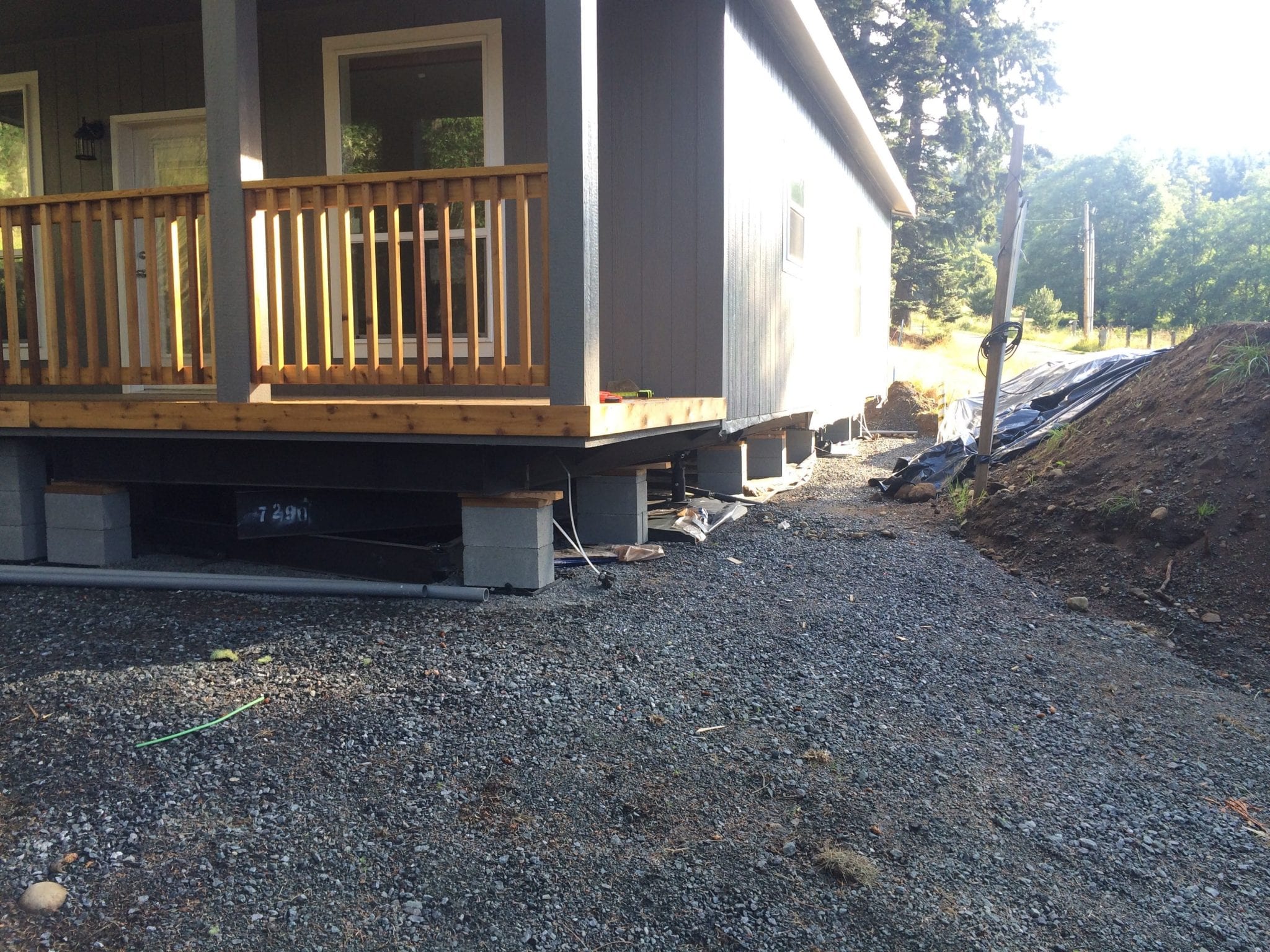
Image Source: duraskirt.com
Preparing Your Site
Before your mobile home even arrives, your site needs to be ready. This preparatory phase is vital for a smooth and successful installation.
Obtaining Necessary Permits
Mobile home permits are a legal requirement in most areas. These permits ensure that your installation meets local building codes and safety standards. Failing to secure the correct permits can lead to fines, delays, or even the forced removal of your home.
What are mobile home permits?
They are official authorizations from your local government that allow you to place and set up a manufactured home on a specific piece of land.
How to get mobile home permits:
- Contact your local planning or building department: They will have specific requirements and application forms.
- Provide site plans: You’ll likely need to submit a drawing showing where the home will be placed, utility connections, and any site improvements.
- Pay fees: Permit fees vary depending on your location.
- Await inspection: An inspector will likely need to visit your site at various stages of the setup.
Clearing and Leveling the Land
Your chosen site must be cleared of any trees, rocks, debris, or existing structures. Once cleared, the land needs to be properly leveled. Uneven ground can cause significant problems during installation and can lead to structural issues with the home later on.
Access for Moving
Ensure a clear and accessible path for the mobile home moving truck. This path should be wide enough for the transport vehicle and free of overhead obstructions like low-hanging branches or power lines. The route to your site should also be checked for any weight restrictions on bridges or roads.
The Mobile Home Foundation
The foundation is the bedrock of your mobile home’s stability and safety. A properly constructed mobile home foundation is essential. There are several types of foundations, each with its own advantages.
Types of Mobile Home Foundations
1. Concrete Slab Foundation
This is a solid, poured concrete slab that covers the entire area where the home will sit. It offers excellent stability and is resistant to frost heave.
2. Crawl Space Foundation
This involves the installation of concrete or steel piers that support the home. There is a space between the ground and the bottom of the home, allowing for easier access to utilities.
3. Basement Foundation
While less common for typical mobile homes, some larger manufactured homes can be placed on a full basement foundation, providing additional living or storage space.
Considerations for Choosing a Foundation:
- Local climate: Frost lines and soil type are important factors.
- Budget: Different foundation types have varying costs.
- Durability: Consider the long-term stability and weather resistance.
- Site conditions: Slope and soil stability will influence the best choice.
Preparing the Foundation Site
Once the foundation type is chosen, the site preparation begins. This involves excavating the area, compacting the soil, and installing the chosen foundation system according to local building codes. For pier foundations, precise placement and elevation of each pier are critical for mobile home leveling.
The Mobile Home Installation Process
This is where the home is physically placed and secured onto the prepared foundation. This phase requires specialized equipment and trained personnel.
Transporting the Home
The mobile home moving process is a complex logistical operation. Homes are transported on specialized trailers, often requiring escort vehicles and route planning to navigate roads and highways.
Positioning the Home
Once on-site, the home is carefully maneuvered into its final position on the foundation. Cranes or powerful winches are often used to guide the home into place.
Leveling the Home
Proper mobile home leveling is one of the most critical steps in the installation process. The home must be perfectly level to ensure that doors and windows operate correctly, plumbing functions efficiently, and the overall structure is sound.
How mobile home leveling is achieved:
- Adjustable Jacks: Hydraulic or mechanical jacks are used to raise or lower specific points of the home.
- Support Blocks: Concrete or steel blocks are strategically placed under the frame to provide stable support.
- Leveling Tools: Professional installers use transit levels, laser levels, and spirit levels to ensure precision.
Anchoring the Home
Mobile home anchoring is a safety measure that secures the home to the foundation, preventing it from shifting or being lifted during high winds or storms. This is a crucial step for the structural integrity and safety of your home.
Common Anchoring Methods:
- Straps and Brackets: Heavy-duty straps are attached to the home’s frame and anchored to the foundation or ground anchors.
- Bolts: In some cases, bolts may be used to directly connect the home’s frame to the foundation.
- Auger Anchors: These screw-like devices are driven deep into the ground and provide a strong anchor point.
A minimum of four anchoring points per side is typically recommended, and often more depending on local regulations and wind zone requirements. The specific type and number of anchors will be determined by the manufacturer’s guidelines and local building codes.
Connecting Utilities
Once the home is securely in place and anchored, the next step is to connect the essential utilities: water, sewer, electricity, and gas.
Mobile Home Plumbing
Connecting the mobile home plumbing involves hooking up the water supply, drainage, and waste systems. This requires careful connection to the main water line and sewer or septic system.
Key Plumbing Connections:
- Water Supply: Connect the home’s main water pipe to the external water source. Shut-off valves should be installed.
- Drainage: Connect the home’s drain pipes (sinks, toilets, showers) to the sewer line or septic tank. Ensure proper slope for efficient drainage.
- Venting: Make sure all necessary vent pipes are correctly installed to allow air into the plumbing system, preventing siphoning and ensuring proper flow.
It’s important to ensure all connections are watertight and properly supported to prevent leaks and damage.
Mobile Home Electrical
Connecting the mobile home electrical system brings power to your home. This involves connecting the home’s electrical panel to the power grid.
Electrical Setup Steps:
- Main Breaker Panel: Ensure the home’s main breaker panel is properly installed and accessible.
- Service Entrance Cable: A heavy-duty cable runs from the utility pole or meter base to the home’s panel.
- Grounding: Proper grounding is essential for electrical safety, protecting against surges and faults.
- Sub-Panels: If the home has multiple sections or additions, sub-panels might be installed.
Safety Note: Electrical work is inherently dangerous. It is strongly recommended that a licensed electrician handles all mobile home electrical connections to ensure they meet safety standards and local codes.
Gas and HVAC Connections
If your home uses natural gas or propane, the gas lines must be professionally connected. Similarly, the heating, ventilation, and air conditioning (HVAC) system, whether it’s a furnace, heat pump, or central air conditioner, needs to be installed and connected. This often involves connecting ductwork, fuel lines, and electrical power.
Finishing Touches and Inspections
With the major installation and utility connections complete, it’s time for the finishing touches and final checks.
Installing Mobile Home Skirting
Mobile home skirting is the material used to enclose the space between the bottom of the home and the ground. It serves both aesthetic and functional purposes.
Benefits of Mobile Home Skirting:
- Aesthetics: It provides a finished, more attractive look.
- Pest Control: It helps prevent rodents and other pests from nesting under the home.
- Insulation: It can help protect pipes from freezing in colder climates and improve energy efficiency.
- Protection: It shields the underside of the home from weather elements.
Common Skirting Materials:
* Vinyl
* Wood
* Metal (aluminum, steel)
* Concrete
The skirting should be installed with proper ventilation to prevent moisture buildup under the home.
Interior Finishing
This includes connecting any internal plumbing and electrical fixtures, installing appliances, and completing any cosmetic work needed after the mobile home installation.
The Mobile Home Inspection
A mobile home inspection is a crucial final step. This is typically carried out by a qualified inspector, often required by local authorities or lenders, to ensure that the installation meets all building codes and safety standards.
What an inspection typically covers:
- Foundation stability: Checking for levelness and proper support.
- Anchoring: Verifying that the home is securely anchored.
- Utility connections: Ensuring electrical, plumbing, and gas connections are safe and compliant.
- Structural integrity: Looking for any damage during transport or installation.
- Skirting installation: Checking for proper installation and ventilation.
Passing this inspection signifies that your mobile home has been set up correctly and is safe for occupancy.
Frequently Asked Questions (FAQ)
Q1: How long does it take to set up a mobile home?
A1: The entire process, from site preparation to final connections, can take anywhere from a few days to several weeks, depending on the complexity of the site, the foundation type, and the availability of contractors. The actual mobile home installation itself on the foundation might take a day or two.
Q2: Can I do some of the setup myself to save money?
A2: While you might be able to handle some of the site preparation, tasks like mobile home leveling, electrical and plumbing connections, and anchoring should ideally be done by licensed professionals. Safety and compliance are paramount.
Q3: What is the difference between a mobile home and a manufactured home?
A3: Technically, “mobile home” often refers to homes built before June 15, 1976, when federal standards for manufactured housing were established. Homes built after this date are called “manufactured homes” and are built to a higher standard. However, the terms are often used interchangeably.
Q4: What are the most common issues after mobile home setup?
A4: Common issues can include problems with mobile home leveling if not done correctly, minor plumbing leaks, or electrical issues if connections weren’t made properly. A thorough mobile home inspection helps to catch these before they become major problems.
Q5: Does a mobile home need to be inspected regularly?
A5: While not legally mandated like the initial installation inspection, periodic checks of your foundation, anchoring, and utility connections are good practice to ensure continued safety and stability.
Q6: What is the importance of mobile home anchoring?
A6: Mobile home anchoring is vital for preventing the home from being damaged or displaced during severe weather events like high winds and tornadoes. It ties the home securely to its foundation.
Q7: What are the regulations for mobile home permits?
A7: Regulations vary significantly by county and state. It’s essential to contact your local building department to determine exactly what permits are required for your specific location and installation.
Q8: How do I find reliable contractors for mobile home installation?
A8: Ask for recommendations from the dealership where you purchased the home, check online reviews, and always ask for proof of licensing and insurance. Get multiple quotes before making a decision.
By following this comprehensive guide, you can navigate the complexities of setting up a mobile home with confidence, ensuring a safe, stable, and comfortable living space. Remember, investing in professional help for critical stages like mobile home foundation work, mobile home electrical and mobile home plumbing connections, and mobile home anchoring is an investment in the safety and longevity of your home.