
Making tequila from agave at home is technically possible but extremely difficult and legally restricted in most places. Can you make tequila from agave at home? While the basic ingredients and processes exist, the strict legal definitions of tequila, along with the complexities of safe fermentation and distillation, make it an impractical and often illegal endeavor for home enthusiasts. This guide will explore the journey of agave to spirit, highlighting the challenges and nuances involved in creating an agave spirit, even if true tequila is beyond the scope of home production.
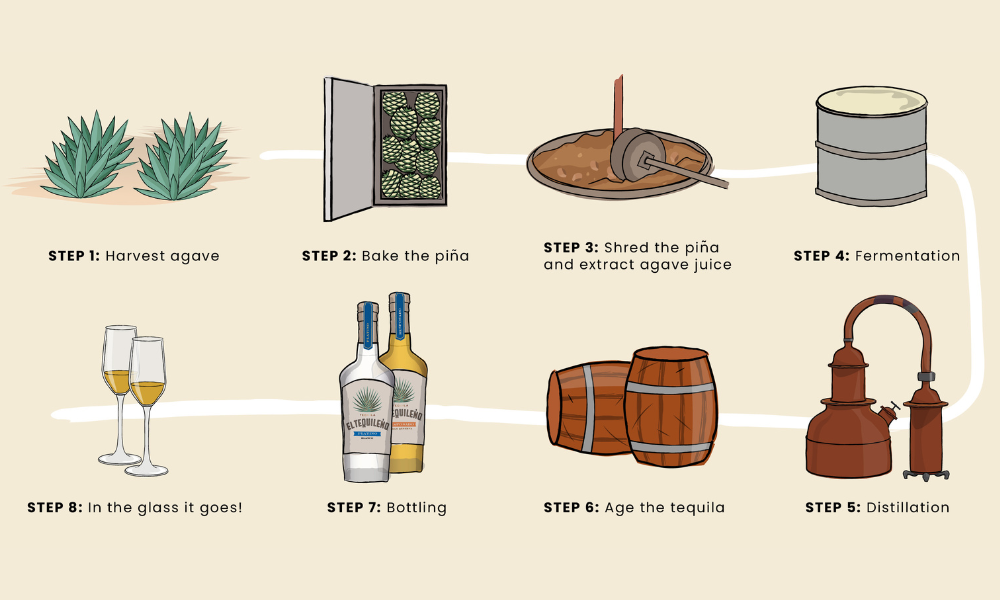
Image Source: www.willowpark.net
The Journey From Agave Plant to Agave Spirit
Tequila, a spirit revered worldwide, originates from the heart of the blue agave plant. The journey from a towering succulent to a sophisticated beverage is a testament to nature’s bounty and human ingenuity. While the authentic tequila-making process is a closely guarded tradition, understanding the fundamental steps can shed light on how agave spirits are born. This guide will walk you through the principles, from agave cultivation to the final spirit, offering insights into the fascinating world of agave spirit production.
Agave Cultivation: The Foundation of Agave Spirit
The quality of any agave spirit begins with its source: the agave plant. True tequila, by definition, must be made from the blue Weber agave (Agave tequilana Weber var. azul), and crucially, it must be grown in specific regions of Mexico, primarily the state of Jalisco. This geographical specificity, along with the unique soil and climate, contributes to the plant’s distinct flavor profile.
Best Agave Varieties for Spirits
While blue Weber agave is the sole source for tequila, other agave varieties can be used to create different agave spirits, often referred to as mezcal or other regional distillates. These varieties contribute a wide spectrum of flavors. Some of the most common and prized agave varieties include:
- Espadín: The most widely cultivated agave, Espadín is the backbone of much of the mezcal produced today. It’s known for its versatility and produces a range of flavors from smoky and earthy to fruity and floral.
- Tobalá: A wild agave that grows in the shade of forests, Tobalá is highly prized for its complex, delicate, and often fruity or floral notes. It’s more challenging to cultivate and harvest, making it rarer and more expensive.
- Arroqueño: A large, wild agave with a robust flavor profile, often described as having notes of chocolate, caramel, and sometimes even anise.
- Tepeztate: Another wild agave, Tepeztate is known for its intense, complex, and often medicinal or herbaceous flavors. It requires a long maturation period.
- Madrecuishe: A varietal of the Agave karwinskii family, Madrecuishe is characterized by its tall, slender stalk and produces spirits with bright, citrusy, and sometimes slightly peppery notes.
Agave Cultivation Practices
Growing agave is a patient endeavor. The blue Weber agave takes anywhere from 6 to 10 years, and sometimes even longer, to mature and reach its peak sugar content. The jimador, a skilled agave farmer, plays a vital role in the cultivation process. They are responsible for:
- Planting: Agave is typically propagated from “hijuelos” or pups that grow from the base of the mother plant.
- Weeding and Care: Protecting young plants from pests and competition is crucial.
- Harvesting: This is the most critical stage. The jimador meticulously removes the sharp leaves from the mature agave heart, known as the “piña,” using a specialized tool called a “coa.” The goal is to expose the piña cleanly and efficiently, minimizing damage.
The Agave Spirit Production Process: Step-by-Step
The creation of an agave spirit involves several distinct stages, each contributing to the final character of the drink.
Harvesting the Piña
Once the agave plant is mature, the jimador expertly harvests the piña. The sharp leaves are trimmed away with a sharp, spade-like tool called a “coa.” What remains is the core of the plant, resembling a giant pineapple, hence the name “piña.” The size and weight of a piña can vary significantly, often weighing between 50 to 200 pounds (23 to 90 kg) or even more for mature plants.
Cooking the Piñas
The harvested piñas are then cooked to convert their complex carbohydrates (inulins) into fermentable sugars (fructose). This cooking process is crucial for developing the characteristic flavors of agave spirits. There are several traditional methods:
- Brick Ovens: Piñas are slow-cooked in large, brick-lined ovens for 24 to 72 hours. This imparts a smoky, roasted flavor.
- Autoclaves: Stainless steel pressure cookers can also be used, offering a faster and more consistent cooking process. This method generally results in a cleaner, less smoky flavor.
- Cones (Hornos): In traditional mezcal production, piñas are cooked in underground pits lined with hot rocks. This imparts a significant smoky character.
Shredding and Mashing
After cooking, the softened piñas are shredded or mashed to break them down further and expose the sugars. Traditionally, this was done using a stone wheel called a “tahona,” pulled by a horse or donkey. Modern facilities may use mechanical shredders. The shredded agave fibers are then mixed with water.
Fermentation: The Magic of Transformation
This is where the sugars begin their transformation into alcohol. Water is added to the shredded agave fibers, and wild or cultured yeasts are introduced. Yeast consumes the sugars and produces alcohol and carbon dioxide.
- The Role of Yeast: Yeast are microscopic organisms that are essential for fermentation. While some producers rely on wild yeasts naturally present in the air and on the agave plant, others use cultured yeast strains to achieve specific flavor profiles and fermentation speeds.
- Fermentation Vessels: Fermentation typically takes place in large vats, which can be made of wood, stainless steel, or concrete.
- Duration: The fermentation process can last anywhere from a few days to over a week, depending on factors like temperature, yeast strain, and sugar content. The goal is to convert as much sugar into alcohol as possible.
Distillation: Concentrating the Spirit
Once fermentation is complete, the resulting liquid, known as “mosto muerto” (dead must) or “aguamiel” (honey water), contains a low percentage of alcohol. This liquid is then distilled to concentrate the alcohol and further refine the flavors.
- Traditional Stills: Copper pot stills are the traditional choice for tequila and many mezcals. They are heated, and the alcohol vaporizes at a lower temperature than water. The vapor rises, travels through a condenser, and cools back into a liquid, resulting in a higher alcohol concentration.
- Distillation Passes: Most agave spirits are distilled twice. The first distillation produces a lower-alcohol liquid called “ordinario.” The second distillation further refines the spirit and increases its alcohol content. Some producers may opt for a third distillation for an even lighter spirit.
- Cuts: During distillation, the distiller makes “cuts,” separating the spirit into three parts: the heads (foreshots), the heart (middle cut), and the tails (feints). The heads contain methanol and other volatile compounds that are unpleasant and potentially harmful. The tails contain heavier alcohols and congeners. The heart is the desired portion, containing the best balance of alcohol and flavor. Careful management of these cuts is crucial for the quality of the final spirit.
Aging and Bottling
After distillation, the spirit can be bottled immediately (blanco or silver) or aged in oak barrels. Aging imparts color and complexity, introducing notes of vanilla, caramel, spice, and wood.
- Blanco/Silver: Unaged, clear spirit, showcasing the pure flavor of the agave.
- Reposado: Aged for a minimum of two months and up to one year in oak barrels. It typically has a light golden hue and a smoother flavor.
- Añejo: Aged for a minimum of one year and up to three years in oak barrels. It has a deeper color and more complex flavors, often with notes of oak, vanilla, and caramel.
- Extra Añejo: Aged for a minimum of three years in oak barrels. These are the most aged and often the most complex and expensive tequila varieties.
The Challenges and Realities of Homemade Tequila
While the above outlines the process, attempting to replicate it at home presents significant hurdles.
Legal Restrictions: Home Distilling Laws
The most significant barrier to making tequila at home is legality. In most countries, including the United States and Mexico, distilling alcohol without the proper licenses and permits is illegal. The Alcohol and Tobacco Tax and Trade Bureau (TTB) in the United States, for instance, has stringent regulations regarding the production of distilled spirits. These laws are in place for several critical reasons:
- Safety: Improper distillation can lead to dangerous levels of methanol or other harmful byproducts, posing serious health risks.
- Taxation: Governments levy excise taxes on alcohol production, and unlicensed production circumvents these revenue streams.
- Quality Control: Regulations ensure a certain standard of quality and safety for consumers.
Violating these laws can result in severe penalties, including hefty fines and imprisonment.
The Complexity of Safe and Quality Distillation
Even if one could navigate the legal landscape, the technical aspects of safe and quality distillation are formidable:
- Methanol Poisoning: The “heads” of a distillation run contain methanol. If not properly separated, methanol can cause blindness or even death. Home distillers lack the experience and equipment to accurately make these cuts.
- Explosion Risk: Distillation involves flammable alcohol vapors. Operating a still without proper knowledge and safety precautions can lead to explosions or fires.
- Equipment: Professional distillation equipment is specialized and expensive. Improvised setups are often inefficient and dangerous.
- Sanitation: Maintaining sterile conditions throughout the fermentation and distillation process is crucial to prevent spoilage and the growth of unwanted microbes.
Agave Syrup Alcohol: A Safer Alternative?
Some home enthusiasts explore creating “agave syrup alcohol” by fermenting agave syrup and then distilling it. While fermenting agave syrup into an alcoholic beverage is technically feasible, the resultant product is not tequila. Moreover, distilling this fermented mixture still carries the legal and safety concerns mentioned above. Agave syrup itself is a processed product of the agave plant, and its sugar profile differs from that of the cooked agave piña, which can affect the resulting flavor.
Are There Tequila Making Kits?
While you might find kits for making wine, beer, or even mead at home, you will not find legitimate “tequila making kits.” This is due to the strict legal definitions and regulations surrounding tequila production. Any product marketed as a “tequila making kit” is either misleading or likely involves processes that circumvent these laws. You might find kits that mimic certain flavors or use agave syrup to create a flavored alcohol base, but these do not produce true tequila.
The “Homemade Tequila Recipe” Myth
The idea of a simple “homemade tequila recipe” is largely a misconception. The authenticity of tequila is intrinsically linked to its origin (specific regions in Mexico) and its production using the blue Weber agave plant under regulated conditions. What can be made at home is a spirit from agave, but it cannot legally or authentically be called tequila.
A Safer Way to Experience Agave Spirits
Given the legal and safety challenges, the best approach for home enthusiasts interested in agave spirits is to explore the vast world of commercially produced tequila and mezcal. Many excellent brands offer a wide range of flavor profiles, from the crispness of a blanco to the complex notes of an añejo.
- Explore Different Brands: Try tequilas and mezcals from various producers to appreciate the diversity of flavors.
- Educate Yourself: Learn about the different agave varieties, production methods, and aging processes.
- Enjoy Responsibly: Savor the unique qualities of these exceptional spirits.
Conclusion: The Art of Agave Spirit Production
Creating tequila is an art form deeply rooted in tradition, geography, and meticulous craftsmanship. While the allure of making it at home is understandable, the legal, safety, and technical barriers are significant. Appreciating the journey from the blue agave plant to the final spirit, from agave cultivation to the intricacies of fermentation and distillation techniques, allows for a deeper understanding and enjoyment of this remarkable beverage. For those seeking to craft their own agave spirit, the path is fraught with complexity, making it more practical and enjoyable to appreciate the expertise of dedicated producers who bring these extraordinary spirits to our glasses.
Frequently Asked Questions (FAQ)
Q1: Can I legally make tequila at home?
A1: No, in most countries, including the United States and Mexico, it is illegal to distill spirits, including tequila, at home without proper licensing and permits.
Q2: What is the difference between tequila and mezcal?
A2: Tequila is a type of mezcal, but not all mezcals are tequila. Tequila must be made from the blue Weber agave plant and produced in specific regions of Mexico. Mezcal can be made from various types of agave plants and can be produced in different regions of Mexico, often employing more traditional and diverse production methods, which can lead to a wider range of flavors, including smoky notes.
Q3: What makes blue agave special for tequila?
A3: The blue Weber agave plant (Agave tequilana Weber var. azul) contains a specific sugar profile and chemical compounds that, when processed and distilled, yield the unique flavor characteristics recognized as tequila. Its cultivation in the rich soils and specific climate of designated Mexican regions further contributes to its distinctive quality.
Q4: What happens if distillation is done incorrectly at home?
A4: Incorrect distillation can be extremely dangerous. It can result in the presence of methanol, which can cause blindness or death if consumed. Additionally, the high alcohol vapors are flammable, posing a significant risk of fire or explosion if not handled with proper equipment and expertise.
Q5: Is agave syrup alcohol the same as tequila?
A5: No, agave syrup alcohol is not the same as tequila. While both originate from the agave plant, tequila is made from the cooked piña of the blue Weber agave through a specific, regulated process. Agave syrup is a processed sweetener made from the agave plant, and fermenting and distilling it at home will not result in a product that meets the legal definition or traditional flavor profile of tequila.
Q6: How long does it take for an agave plant to mature?
A6: Blue Weber agave plants typically take between 6 to 10 years, and sometimes longer, to mature and reach their peak sugar content suitable for harvesting.
Q7: What are the main stages of making tequila?
A7: The main stages are harvesting the agave piñas, cooking them to convert sugars, shredding or mashing the cooked agave, fermentation of the sugars into alcohol, and distillation to concentrate the alcohol and flavors. Aging in barrels and bottling are subsequent steps.