
The question of whether students should have homework is a long-standing debate. However, the prevailing sentiment leans towards reducing or eliminating it, primarily due to its significant impact on student stress. The overwhelming consensus among educators, parents, and students themselves is that excessive homework contributes to anxiety, exhaustion, and a diminished capacity for learning.
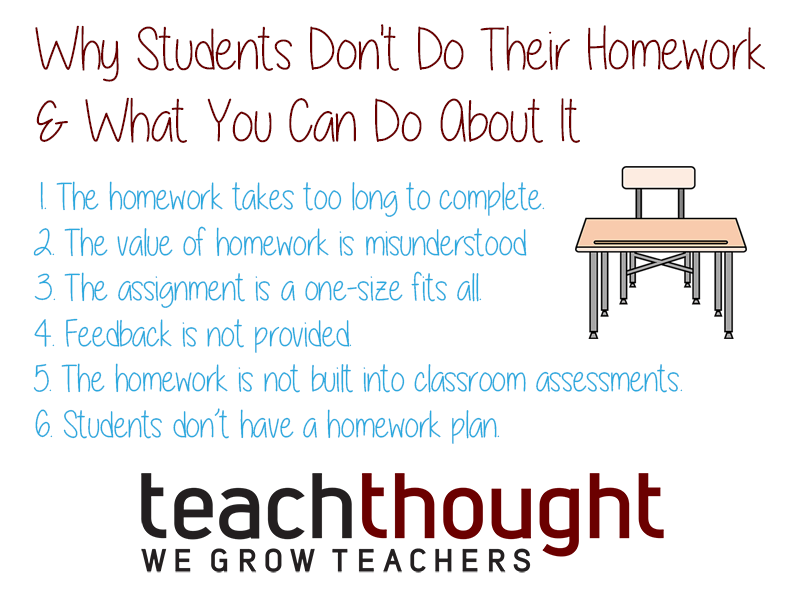
Image Source: www.teachthought.com
The Weight of the Backpack: Homework’s Toll on Student Well-being
Homework, once seen as a crucial tool for reinforcing classroom learning, has increasingly become a source of considerable pressure for students. The sheer volume often assigned can lead to student stress that spills over into every aspect of a young person’s life. This isn’t just about academic achievement; it’s about the fundamental student well-being that underpins their ability to learn and thrive.
The Impact on Mental Health
The link between excessive homework and poor mental health is undeniable. Students today are facing unprecedented levels of anxiety and depression, and the constant pressure of unfinished assignments plays a significant role. When a child’s evenings and weekends are consumed by schoolwork, there’s little room left for crucial downtime, relaxation, or engaging in activities that foster emotional resilience.
- Anxiety and Worry: The persistent thought of pending assignments can trigger constant worry. Students may feel a sense of impending doom if they haven’t completed all their tasks, leading to a state of perpetual unease.
- Sleep Deprivation: To keep up with demands, many students sacrifice sleep. Chronic sleep deprivation impairs cognitive function, emotional regulation, and overall physical health, exacerbating student stress.
- Feelings of Inadequacy: When students struggle to complete homework due to time constraints or the difficulty of the material, they can develop feelings of inadequacy and a diminished sense of self-worth.
The Descent into Academic Burnout
Academic burnout is a growing concern, and homework is a major contributor. Burnout isn’t just feeling tired; it’s a state of emotional, physical, and mental exhaustion caused by prolonged or excessive stress. When students are expected to perform at a high level academically without sufficient respite, they inevitably reach a breaking point.
- Loss of Motivation: Persistent pressure can extinguish a student’s natural curiosity and love for learning, leading to apathy and a lack of engagement in school.
- Decreased Performance: Ironically, the very thing intended to improve academic performance—homework—can lead to its decline when it causes burnout. Exhausted students are less likely to absorb information or perform well on assessments.
- Cynicism Towards Education: Long-term burnout can foster a negative attitude towards education itself, viewing it as a relentless burden rather than an opportunity for growth.
Navigating Learning Disabilities and Homework
For students with learning disabilities, homework can be an insurmountable hurdle, significantly increasing their student stress. Tasks that might be manageable for neurotypical peers can become sources of intense frustration and shame.
- Exacerbating Challenges: Homework often requires skills that are difficult for students with learning disabilities, such as organization, time management, and specific reading or writing abilities. This can magnify their existing struggles.
- Unfair Assessment: If homework completion is heavily weighted, students with learning disabilities may be unfairly penalized for difficulties beyond their control, impacting their grades and self-esteem.
- Need for Differentiated Support: Effective teaching methods acknowledge the diverse needs of students. Homework assignments that are not differentiated can widen the achievement gap and increase the emotional burden on these students.
The Unseen Costs: Homework’s Wider Repercussions
Beyond direct academic pressure, homework encroaches on vital aspects of a child’s development, often stifling their potential and hindering their overall student well-being.
The Suppression of Creativity and Exploration
Homework, especially when it involves repetitive drills or rote memorization, can actively suppress creativity suppression. Young minds are naturally curious and imaginative. When their free time is filled with structured academic tasks, there’s less opportunity for exploration, experimentation, and the development of unique ideas.
- Limited Playtime: Play is crucial for cognitive and social-emotional development. Excessive homework curtails opportunities for imaginative play, which is a cornerstone of early learning and problem-solving.
- Stifled Hobbies and Passions: Students may have interests outside of academics, such as art, music, coding, or sports. Homework can leave them too exhausted to pursue these passions, which are vital for developing a well-rounded identity and fostering joy.
- Reduced Risk-Taking in Learning: When the primary focus is on completing assigned tasks correctly, students may become hesitant to take risks, experiment with different approaches, or explore unconventional solutions – all key components of genuine learning and innovation.
The Sacrifice of Physical Health
The sedentary nature of homework, coupled with the time it consumes, often comes at the expense of physical health. In an era where childhood obesity and sedentary lifestyles are major public health concerns, the demands of homework can exacerbate these issues.
- Less Time for Physical Activity: Students need time for exercise, sports, or even just unstructured outdoor play to maintain physical fitness, combat obesity, and develop motor skills. Homework directly competes with this essential activity.
- Poor Posture and Eye Strain: Hours spent hunched over desks or screens for homework can lead to poor posture, back pain, and eye strain, contributing to long-term health problems.
- Disrupted Sleep Patterns: As mentioned earlier, late-night homework sessions directly impact sleep, which is critical for physical restoration, growth, and overall health.
The Erosion of Family Time
The modern family is already juggling numerous commitments. Adding a significant homework load to the mix can severely erode precious family time.
- Reduced Quality Time: Even when families are together, if children are constantly working on homework, the quality of interaction diminishes. It’s hard to have meaningful conversations or shared activities when one or more family members are preoccupied with assignments.
- Parental Stress: Parents often feel responsible for ensuring their children complete their homework, adding another layer of stress to their lives. This can lead to conflict within the family or parents sacrificing their own relaxation time.
- Fewer Opportunities for Shared Experiences: Family meals, outings, and even simple conversations are opportunities for bonding and creating memories. Homework can prevent these vital moments from occurring.
Rethinking the Homework Paradigm: Towards Effective Teaching Methods
The argument against homework is not an argument against learning or academic rigor. Instead, it’s a call for more effective teaching methods that prioritize student well-being and genuine understanding.
Focusing on In-Class Learning and Engagement
Many educators advocate for a shift towards maximizing learning within the school day. This means employing pedagogical approaches that are engaging, interactive, and cater to diverse learning styles.
- Active Learning Strategies: Instead of assigning homework that replicates classroom activities, teachers can use in-class time for hands-on projects, group discussions, problem-solving sessions, and personalized feedback.
- Differentiated Instruction: Effective teaching methods involve tailoring instruction to meet the needs of individual students. This approach should extend to any assigned work, ensuring it’s challenging but achievable for everyone.
- Mastery-Based Learning: Rather than assigning busywork, focusing on ensuring students have truly mastered a concept before moving on can be more effective than assigning homework for the sake of it.
The Role of Practice and Reinforcement
Certainly, practice is important. However, homework is not the only or necessarily the best way to provide it.
- In-Class Practice: Dedicated time in class for guided practice allows teachers to observe students’ struggles, provide immediate feedback, and address misconceptions.
- Optional Practice Resources: Schools and teachers can offer optional practice materials or online resources that students can access if they feel they need extra reinforcement, allowing them to choose their pace and focus.
- Meaningful, Short Assignments: If homework is deemed necessary, it should be concise, relevant, and directly linked to classroom learning without being overly burdensome. The focus should be on quality over quantity.
Harnessing Technology Thoughtfully
Technology can be a powerful tool for learning, but it can also contribute to homework overload if not used judiciously.
- Interactive Learning Platforms: Educational apps and websites can offer engaging ways to practice skills, often with immediate feedback. However, screen time limits and the potential for digital distraction must be considered.
- Personalized Learning Pathways: Adaptive learning technologies can identify individual student needs and provide targeted practice, making homework more efficient and less overwhelming.
- Avoiding “Busywork” Online: The ease of creating digital assignments shouldn’t lead to an increase in repetitive, low-value tasks.
Case Studies and Expert Opinions
Numerous studies and expert opinions highlight the negative consequences of excessive homework. For instance, a well-known meta-analysis by psychologist Harris Cooper found that homework has little to no benefit for elementary school students and only a moderate benefit for middle and high school students, with the benefits diminishing after a certain point. This suggests that the traditional approach to homework may be outdated and counterproductive.
Many schools and districts worldwide have begun to re-evaluate their homework policies, with some implementing “no homework” policies or significantly reducing the amount assigned. These initiatives are often driven by a desire to improve student well-being, reduce student stress, and foster a more balanced approach to education.
A Shift Towards Holistic Education
Ultimately, the debate over homework is part of a larger conversation about the purpose of education. Should it be solely about accumulating knowledge and passing tests, or should it encompass the development of the whole child – their emotional intelligence, creativity, physical health, and social skills?
By reducing or eliminating homework, we can:
- Reclaim Childhood: Allow children the time and space to be children, to play, explore, and simply be.
- Foster a Love of Learning: Shift the focus from obligation to genuine curiosity and the joy of discovery.
- Promote Healthier Lifestyles: Encourage physical activity, sufficient sleep, and a balanced approach to life.
- Strengthen Family Bonds: Create more opportunities for meaningful connection and shared experiences.
- Reduce Student Stress and Anxiety: Prioritize mental health and prevent academic burnout.
Conclusion: Prioritizing Well-being for Effective Learning
The evidence strongly suggests that the current model of homework is often detrimental to student well-being. The pressure it creates contributes significantly to student stress, negatively impacts mental health, and can lead to academic burnout. Furthermore, it can stifle creativity suppression, detract from physical health, limit family time, and overshadow the need for effective teaching methods that prioritize genuine learning and engagement.
By moving towards a system that minimizes or eliminates excessive homework, we can foster a more supportive, balanced, and ultimately more effective educational environment for all students. This shift allows young people to thrive, not just academically, but as healthy, well-rounded individuals ready to face the future with enthusiasm and resilience.
Frequently Asked Questions (FAQ)
Q1: What is the optimal amount of homework for students?
There is no universally agreed-upon optimal amount of homework, but research consistently shows diminishing returns and potential harm with excessive amounts. For elementary students, little to no homework is generally recommended. For older students, a general guideline often cited is no more than 10-20 minutes per grade level per night (e.g., 10 minutes for 1st grade, 60 minutes for 6th grade). However, the quality and relevance of the homework are more important than the quantity.
Q2: Can homework actually be beneficial?
Yes, homework can be beneficial if it is well-designed, relevant to classroom learning, and assigned in appropriate amounts. It can reinforce concepts, develop study habits, and teach responsibility. However, the benefits are often outweighed by the negative impacts when homework becomes excessive or poorly conceived, leading to student stress and academic burnout.
Q3: How does homework affect a student’s mental health?
Homework can significantly impact a student’s mental health by contributing to student stress, anxiety, and sleep deprivation. When students feel overwhelmed by assignments, it can lead to feelings of inadequacy, fear of failure, and a generally negative outlook on school, potentially impacting their overall student well-being.
Q4: What are the alternatives to traditional homework?
Alternatives include:
* In-class practice and projects: Allowing students to complete assignments with teacher support during school hours.
* Optional practice resources: Providing online tools or supplementary materials that students can use if they feel they need extra practice.
* Flipped classroom models: Students engage with new material at home (e.g., watching videos) and use class time for application and problem-solving.
* Reading for pleasure: Encouraging reading outside of assignments to foster a love of literature.
* Service learning or passion projects: Allowing students to engage in activities that are meaningful to them and contribute to their community or personal development.
Q5: How does homework impact family time?
Excessive homework can significantly reduce family time. It often consumes evenings and weekends, leaving less opportunity for shared meals, conversations, activities, and relaxation, which are crucial for strong family bonds and overall student well-being. This can also create conflict between parents and children regarding task completion.
Q6: What are the signs of academic burnout caused by homework?
Signs of academic burnout include persistent fatigue, lack of motivation, cynicism towards school, difficulty concentrating, decreased performance, irritability, and feelings of hopelessness related to academic tasks. It’s a state of emotional, physical, and mental exhaustion stemming from prolonged academic pressure.