
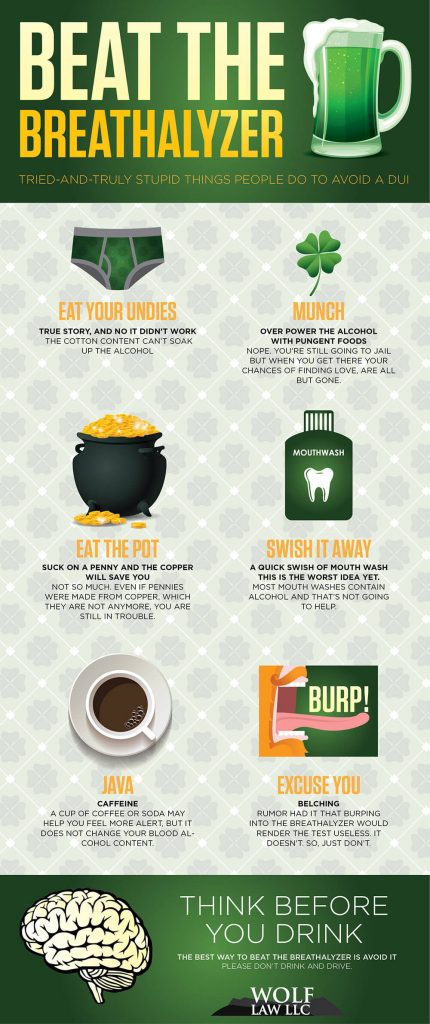
Image Source: wolflawcolorado.com
How To Beat At Home Breathalizer: Ensure Proper Use
Can you “beat” an at-home breathalyzer? No, you cannot reliably or accurately “beat” a properly functioning at-home breathalyzer if you have consumed alcohol. The primary goal of these devices is to measure your breath alcohol content (BAC) as accurately as possible. Attempts to manipulate the results often stem from a misunderstanding of how these devices work and the potential for calibration error or false positive readings due to misuse. This guide focuses on ensuring you use your at-home breathalyzer correctly to get the most accurate readings, rather than trying to trick it.
The Science Behind At-Home Breathalyzers
At-home breathalyzers, also known as personal breath alcohol testers, are designed to estimate your Blood Alcohol Content (BAC) by analyzing the amount of alcohol vapor in your breath. When you consume alcohol, it enters your bloodstream and circulates throughout your body. A portion of this alcohol is then absorbed into the air sacs in your lungs (alveoli) and exhaled. Breathalyzers detect and measure this alcohol vapor.
Key Components and Their Roles
- Sensor: This is the heart of the breathalyzer. Most at-home devices use either semiconductor oxide sensors or electrochemical fuel cell sensors.
- Semiconductor Sensors: These sensors contain a material that changes its electrical resistance when it comes into contact with alcohol vapor. The greater the alcohol concentration, the greater the change in resistance. While generally more affordable, they can be less specific and more prone to interference from other substances.
- Electrochemical Fuel Cell Sensors: These sensors use a chemical reaction between alcohol and a platinum electrode in an electrolyte solution. This reaction generates an electrical current proportional to the alcohol concentration. Fuel cell sensors are generally considered more accurate, more specific to alcohol, and less susceptible to interference. They are typically found in professional-grade devices and higher-end consumer models.
- Microprocessor: This component interprets the signal from the sensor and converts it into a BAC reading, usually displayed in percentage or grams per deciliter.
- Display: This shows the BAC reading.
How Alcohol Affects Your Breath
After consuming alcohol, it is absorbed into your stomach and small intestine, then passes into your bloodstream. As your blood circulates, alcohol diffuses into the air in your lungs. The concentration of alcohol in your breath is directly related to the concentration of alcohol in your blood. This relationship is known as the partition ratio, which is generally assumed to be 2100:1 (2100 ml of alveolar breath contains the same amount of alcohol as 1 ml of blood).
Factors Influencing Breathalyzer Accuracy
Several factors can affect the accuracy of an at-home breathalyzer, leading to readings that may seem higher or lower than expected. It’s crucial to be aware of these to interpret your results correctly and avoid misunderstandings.
Sensor Limitations and Interference
-
Other Substances: Some substances can be mistaken for alcohol by certain types of sensors, particularly older semiconductor models. These can include:
- Mouthwash: Alcohol-based mouthwash can leave residual alcohol vapor in your mouth, leading to a temporary spike in your breathalyzer reading if used immediately before testing. The mouthwash effect is a significant contributor to inaccurate readings.
- Acetone (Ketones): Found in breath of individuals with diabetes or those on very low-carbohydrate diets (ketosis), acetone can sometimes trigger a false positive on less sophisticated sensors.
- Vaping/Smoking: While not directly alcohol, some chemicals in e-liquids or cigarette smoke might interfere with sensitive sensors.
- Solvents and Chemicals: Exposure to strong industrial chemicals or solvents can also potentially affect sensor readings.
-
Environmental Factors: Extreme temperatures or high humidity can sometimes impact the performance of electronic devices, including breathalyzers.
User Error and Environmental Conditions
- Drinking Prior to Testing: The most obvious factor influencing a breathalyzer reading is the presence of alcohol in your system. The drinking prior to testing is what the device is designed to detect.
- Blowing Technique: How you blow into the device is critical for accurate results. Improper blowing can lead to:
- Insufficient Airflow: Not blowing long enough or forcefully enough might not provide a sample representative of your deep lung air.
- “Cheating” the Blow: Trying to blow shallowly or only from the front of your mouth can introduce mouth alcohol rather than deep lung air, skewing the results. A proper blowing technique involves exhaling steadily and deeply.
- Sample Contamination: As mentioned with mouthwash, anything in your mouth at the time of the test can contaminate the sample. This includes food particles, strong breath mints, or even certain medical conditions.
- Device Age and Condition: Like any electronic device, breathalyzers degrade over time. Sensors have a lifespan, and repeated use or improper storage can affect their device accuracy.
Ensuring Proper Usage for Accurate Readings
The key to obtaining reliable results from your at-home breathalyzer lies in meticulous adherence to usage guidelines. This isn’t about “beating” the device, but about respecting its capabilities and limitations to get a true measure of your BAC.
Pre-Test Preparation: The Crucial Steps
Before you even pick up your breathalyzer, a few steps are essential:
- Abstain from Alcohol: For a minimum of 15-20 minutes before testing, do not consume any alcoholic beverages. This waiting period allows any alcohol present in your mouth to dissipate and ensures the reading reflects deep lung air, not residual mouth alcohol.
- Avoid Oral Hygiene Products: Refrain from using mouthwash, toothpaste, or chewing gum for at least 15-20 minutes before testing. Alcohol-based mouthwash is a prime culprit for skewing results.
- No Eating or Smoking: Similar to oral hygiene products, avoid eating or smoking for at least 15-20 minutes before your test. These activities can also introduce volatile compounds into your mouth.
- Clean Breath Sample: If possible, take a few normal breaths before blowing into the device to clear your airways of any residual alcohol.
The Correct Blowing Technique
A proper blowing technique is paramount for accurate results. Follow these steps:
- Deep Breath: Take a deep, full breath.
- Steady Exhalation: Blow steadily and continuously into the mouthpiece for the duration specified by the device’s instructions (usually 5-10 seconds).
- Adequate Volume: Ensure you are providing enough breath volume for the sensor to analyze. Don’t blow too softly or interrupt the flow.
- Mouthpiece Seal: Make sure your mouth forms a tight seal around the mouthpiece to prevent air leakage.
- Avoid “Cheating”: Do not try to blow only partially or from the front of your mouth. The device is calibrated to measure air from your deep lungs.
Understanding Your Device’s Specifics
- Read the Manual: Every breathalyzer is different. Thoroughly read and follow the manufacturer’s instructions for your specific model. This includes information on warm-up times, calibration procedures, and any specific usage recommendations.
- Calibration Importance: The device accuracy of a breathalyzer depends heavily on its calibration. Over time and with use, the sensors can drift, leading to inaccurate readings.
- Professional Calibration: Most manufacturers recommend periodic professional calibration, typically every 6-12 months, depending on usage. This process involves sending your device to a certified lab to be tested and adjusted against known alcohol standards. Some higher-end devices might have user-calibratable components, but professional calibration ensures the highest level of accuracy.
- Recalibration Indicators: Many devices will have an indicator light or message when they are due for calibration. Do not ignore these.
Dealing with Potential Inaccuracies and False Positives
If you suspect your at-home breathalyzer is giving inaccurate readings, or if you receive a result that seems unexpectedly high, consider the following:
Addressing Potential Causes
- Re-testing: Wait a short period (e.g., 15-20 minutes) and try again, ensuring you’ve followed all preparation steps diligently.
- Check Calibration Status: If your device indicates it’s due for calibration, this is the most likely culprit for consistent inaccuracies.
- Consider Mouthwash Effect: If you used mouthwash recently, wait longer or use a non-alcohol-based mouthwash for future tests.
- Environmental Factors: Ensure the device is used in a suitable environment, away from strong fumes or extreme temperatures.
- Sensor Type: Be aware of the sensor type in your device. If it’s a semiconductor sensor, it may be more prone to interference from other substances.
What a “False Positive” Might Indicate
A false positive reading means the device registered alcohol when you hadn’t consumed any, or significantly less than indicated. This could be due to:
- Residual mouth alcohol from recent consumption of alcohol, food, or certain oral hygiene products.
- Interference from other substances like ketones or industrial chemicals, especially with less advanced sensors.
- A malfunctioning or uncalibrated device.
The Importance of Professional Calibration
Regular professional calibration is not a suggestion; it’s a necessity for maintaining the reliability of your at-home breathalyzer. Think of it like getting your car’s tires aligned or your smoke detector tested. Without it, the device accuracy will inevitably degrade.
- Why Calibration Matters: Sensors have a limited lifespan and can lose their sensitivity or become less specific over time. Calibration recalibrates the sensor’s response to known alcohol concentrations, correcting for drift and ensuring accurate measurements.
- Finding a Service: Look for reputable calibration services. Many breathalyzer manufacturers offer this service directly or through authorized partners.
Common Misconceptions and How to Avoid Them
Many people have misconceptions about how to use or interpret breathalyzers, often leading to attempts to “beat” them rather than use them correctly.
Misconception 1: Blowing Harder or Softer Affects the BAC
Reality: The device measures the concentration of alcohol in your breath, not the force or duration of your blow (beyond what’s needed for a valid sample). Blowing harder won’t lower your BAC, and blowing softly might yield an invalid reading if it’s insufficient. The goal is a steady, consistent blow to provide a sample from your deep lungs.
Misconception 2: Swishing Water or Holding Breath “Cleans” Your Breath
Reality: Swishing water or holding your breath for a short period before blowing will not remove alcohol from your deep lungs, where the accurate measurement comes from. It might slightly dilute mouth alcohol, but it won’t change your actual BAC.
Misconception 3: Using Breath Fresheners Eliminates Alcohol
Reality: Breath fresheners, gum, or mints can temporarily mask the smell of alcohol, but they do not remove alcohol vapor from your deep lung air. The mouthwash effect is about residual alcohol in the mouth, not masking the smell.
Misconception 4: All Breathalyzers Are Equally Accurate
Reality: There’s a significant difference in device accuracy between cheap, semiconductor-based models and more expensive, fuel cell-based devices. Fuel cell technology is generally more precise and less prone to interference.
Using Your Breathalyzer Responsibly
An at-home breathalyzer is a tool for personal information, not a license to drink and drive.
- Never Drive After Drinking: If your breathalyzer indicates you are over the legal limit, or even if you are close to it, do not drive. Arrange for a designated driver, taxi, or ride-sharing service.
- Use as an Educational Tool: Use your breathalyzer to learn how different amounts of alcohol affect your body over time. This can help you make informed decisions about your alcohol consumption.
- Responsible Consumption: The most effective way to ensure a clear breathalyzer reading is to consume alcohol responsibly and never drive under the influence.
Frequently Asked Questions (FAQ)
Q1: Can I use my at-home breathalyzer immediately after drinking?
A1: No. You should wait at least 15-20 minutes after your last drink before using the breathalyzer to allow any alcohol in your mouth to dissipate.
Q2: Does mouthwash affect breathalyzer readings?
A2: Yes, alcohol-based mouthwash can cause a temporary spike in readings due to residual alcohol vapor in your mouth. It’s best to avoid using it for at least 15-20 minutes before testing.
Q3: How often should I calibrate my breathalyzer?
A3: Most manufacturers recommend professional calibration every 6-12 months, or when indicated by the device. Regular calibration is crucial for maintaining device accuracy.
Q4: What is a “false positive” on a breathalyzer?
A4: A false positive occurs when the breathalyzer indicates a BAC reading when no alcohol (or a significantly lower amount) has been consumed. This can be caused by various factors, including sample contamination, interference from other substances, or a faulty/uncalibrated device.
Q5: Will blowing harder make my breathalyzer show a lower reading?
A5: No. The device measures the concentration of alcohol in your deep lung air. Blowing harder or softer does not change your actual BAC. A steady, continuous blow is necessary for an accurate sample.
Q6: Can food affect my breathalyzer result?
A6: Eating or having food particles in your mouth shortly before testing can cause sample contamination and affect the reading. It’s recommended to wait at least 15-20 minutes after eating before taking a test.
Q7: What are the limitations of cheap breathalyzers?
A7: Cheaper breathalyzers often use semiconductor sensors, which are less specific to alcohol and can be more prone to interference from substances like acetone or chemicals, leading to potential false positive readings. They also generally have lower device accuracy compared to fuel cell models.
Q8: Does holding your breath before blowing help “beat” the test?
A8: No. Holding your breath only temporarily reduces the alcohol vapor at the front of your mouth. The device measures alcohol from your deep lung air, which is not affected by this action.
Q9: What does calibration error mean?
A9: A calibration error means that the device’s internal settings have drifted from its factory calibration, causing it to provide inaccurate readings. Regular professional calibration is needed to correct this.
Q10: How can I be sure my breathalyzer is accurate?
A10: Ensure you are using the device according to the manufacturer’s instructions, always follow the preparation steps, and most importantly, get it professional calibration regularly. Understanding the sensor limitations and potential causes of false positive results will also help in interpreting readings correctly.