
Yes, you can freeze homemade French fries, and it’s a fantastic way to enjoy crispy, golden fries whenever the craving strikes! Whether you’re making them from scratch or reheating leftovers, proper freezing techniques ensure you get the best results. This guide will walk you through the entire process, from selecting the right potatoes to perfectly reheating your frozen treasures.
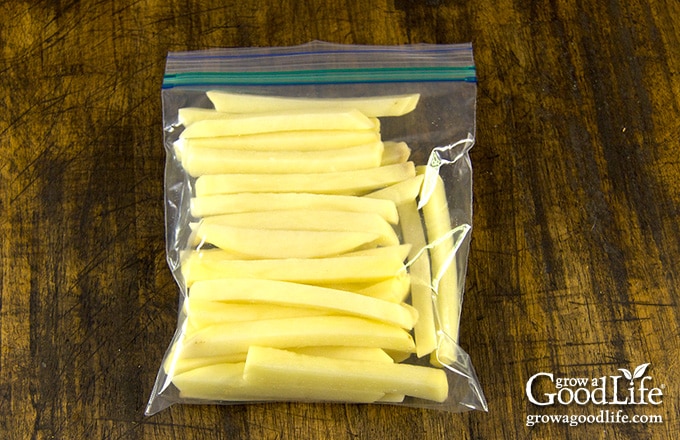
Image Source: growagoodlife.com
Why Freeze Homemade Fries?
There are many reasons why you might want to freeze your homemade fries. Perhaps you made a huge batch and don’t want them to go to waste. Maybe you love having quick and easy side dishes ready to go for busy weeknights. Or, you might be experimenting with a new freezing homemade fries recipe and want to preserve your efforts. Whatever your motivation, freezing is a smart solution. It saves you time, reduces food waste, and allows you to have restaurant-quality fries at home with minimal effort. Proper homemade fries storage is key to maintaining their texture and flavor.
The Best Way to Freeze Fries: A Two-Step Process
The secret to perfectly frozen fries lies in a two-step freezing process: par-frying or par-baking, followed by a flash freeze. This method prevents them from clumping together and helps them retain their crispiness when reheated. Let’s dive into the details for both methods.
Freezing Raw French Fries: A Deeper Dive
While freezing raw French fries is possible, it’s generally not the best way to achieve that perfect crispy texture. Raw potatoes contain a lot of moisture. When frozen raw, ice crystals can form within the potato cells, which can lead to a mushy texture upon thawing and cooking. However, if you’re determined to try freezing raw potatoes, here’s how to do it with the best possible outcome:
Preparation is Key for Freezing Raw French Fries:
- Choose the Right Potatoes: Starchy potatoes like Russets (also known as Idaho potatoes) are ideal for French fries due to their lower moisture content and higher starch. This makes them fluffier inside and crispier outside when cooked.
- Wash and Dry Thoroughly: Wash your potatoes well. Then, peel them if you prefer, or leave the skin on for extra flavor and nutrients. Crucially, dry them completely with paper towels or a clean kitchen towel. Excess moisture is the enemy of good freezing.
- Cut Evenly: Cut the potatoes into your desired fry shape (shoestring, steak fries, wedges). Aim for uniform thickness. This ensures they cook evenly, whether you’re par-cooking them for freezing or cooking them fresh.
- Soak (Optional but Recommended): For raw fries, soaking them in cold water for at least 30 minutes (or up to a few hours in the refrigerator) can help remove excess starch. This can lead to a crispier fry. After soaking, drain them thoroughly and dry them very well.
- Blanching (Optional): Some methods suggest a quick blanch in boiling water (3-5 minutes) for raw fries before freezing. This partially cooks the potato. However, this can also increase moisture content if not dried immediately and thoroughly. If you blanch, dry them immediately and thoroughly after draining.
The Freezing Process for Raw Fries:
- Flash Freeze: Spread the cut and dried potatoes in a single layer on a baking sheet lined with parchment paper. Make sure they aren’t touching. This prevents them from freezing into one large block.
- Freeze Until Solid: Place the baking sheet in the freezer for about 1-2 hours, or until the fries are frozen solid.
- Package for Storage: Once frozen solid, transfer the fries to airtight freezer bags or containers. Squeeze out as much air as possible from the bags to prevent freezer burn.
Reheating Frozen Raw Fries:
When you’re ready to cook, you’ll need to cook them directly from frozen. Do not thaw them first, as this will lead to a soggy texture. You can bake or fry them.
- Baking: Preheat your oven to a higher temperature than you normally would for fries (around 425-450°F or 220-230°C). Toss the frozen fries with a little oil and spread them in a single layer on a baking sheet. Bake for 20-30 minutes, flipping halfway through, until golden and crispy.
- Frying: Heat oil in your fryer or a deep pot to around 350°F (175°C). Carefully add the frozen fries in batches, ensuring not to overcrowd the pot. Fry for 3-5 minutes, or until golden brown and cooked through.
Freezing Cooked French Fries: The Best Method
Freezing cooked French fries, particularly those that have been par-fried or par-baked, is generally considered the superior method for maintaining quality. This two-step approach is the best way to freeze fries for optimal crispiness upon reheating.
Method 1: Freezing Par-Fried French Fries
This method mirrors how many restaurants prepare their fries.
Preparation for Par-Frying:
- Potato Selection and Cutting: As mentioned before, use Russet potatoes. Wash, peel (if desired), and cut into uniform shapes.
- Soak and Dry: Soak the cut potatoes in cold water for at least 30 minutes to remove excess starch. Drain and dry them exceptionally well. This step is critical for preventing oil splattering and ensuring crispiness.
- Par-Fry: Heat vegetable oil (like canola, peanut, or sunflower oil) in a deep fryer or heavy-bottomed pot to 325°F (160°C). Fry the potatoes in small batches for about 3-5 minutes, until they are softened and lightly golden but not fully cooked. This is the par-frying stage.
- Drain and Cool: Remove the fries from the oil and drain them well on a wire rack set over paper towels. Allow them to cool completely to room temperature. This cooling step is vital before flash freezing.
The Freezing Process for Par-Fried Fries:
- Flash Freeze: Arrange the cooled, par-fried fries in a single layer on a parchment-lined baking sheet, ensuring they don’t touch.
- Freeze Until Solid: Place the baking sheet in the freezer for 1-2 hours, or until the fries are completely frozen.
- Package for Storage: Once frozen, transfer the fries into airtight freezer bags or containers. Remove as much air as possible to prevent freezer burn and ensure the best homemade fries storage.
Reheating Frozen Par-Fried Fries:
These fries will reheat beautifully.
- Baking: Preheat your oven to 400-425°F (200-220°C). Spread the frozen fries in a single layer on a baking sheet. Bake for 8-12 minutes, flipping halfway through, until they are golden brown and crispy.
- Air Frying: For ultimate crispiness, an air fryer is excellent. Preheat to 375-400°F (190-200°C). Cook the frozen fries for 7-10 minutes, shaking the basket halfway, until golden and crisp.
- Deep Frying: Heat oil to 375°F (190°C). Fry the frozen fries in batches for 2-3 minutes, or until golden brown and heated through.
Method 2: Freezing Baked Fries
If you prefer a healthier option or don’t want to deal with frying, freezing baked fries is a great alternative.
Preparation for Baking:
- Potato Selection and Cutting: Use Russet potatoes, wash, peel (if desired), and cut uniformly.
- Soak and Dry: Soak the cut potatoes in cold water for at least 30 minutes. Drain and dry them thoroughly.
- Toss with Oil and Seasoning: Toss the dried potato pieces with a tablespoon or two of your favorite oil (olive oil, vegetable oil) and your desired seasonings (salt, pepper, paprika, garlic powder).
- Par-Bake: Spread the seasoned fries in a single layer on a parchment-lined baking sheet. Bake in a preheated oven at 400-425°F (200-220°C) for about 10-15 minutes, or until they are slightly softened and just beginning to turn golden. They should not be fully cooked or crispy.
- Cool Completely: Remove the fries from the oven and let them cool down to room temperature. This is crucial before freezing to prevent condensation and ice crystals.
The Freezing Process for Baked Fries:
- Flash Freeze: Arrange the cooled, par-baked fries in a single layer on a parchment-lined baking sheet. Ensure they don’t touch each other.
- Freeze Until Solid: Place the baking sheet in the freezer for 1-2 hours until the fries are frozen solid.
- Package for Storage: Transfer the frozen fries to airtight freezer bags or containers. Remove as much air as possible to prevent freezer burn and maintain optimal homemade fries storage.
Reheating Frozen Baked Fries:
These will also reheat well, though they might not reach the same crispiness as par-fried fries unless using an air fryer.
- Baking: Preheat oven to 400°F (200°C). Spread the frozen fries in a single layer on a baking sheet. Bake for 15-20 minutes, flipping halfway, until heated through and lightly golden.
- Air Frying: Preheat air fryer to 375°F (190°C). Cook frozen fries for 10-15 minutes, shaking the basket halfway, until hot and crispy.
Freezing Potato Wedges
The principles for freezing potato wedges are the same as for French fries. The thicker cut might require a slightly longer par-cooking time.
Preparation for Freezing Potato Wedges:
- Potato Selection and Cutting: Use starchy potatoes and cut them into wedge shapes. Ensure all wedges are roughly the same size for even cooking.
- Soak and Dry: Soak the wedges in cold water for 30 minutes to an hour, drain, and dry them thoroughly.
- Par-Cook: You can either par-fry or par-bake the wedges.
- Par-Fry: Fry at 300-320°F (150-160°C) for about 5-7 minutes until softened.
- Par-Bake: Toss with oil and seasonings, then bake at 400°F (200°C) for 15-20 minutes until slightly tender.
- Cool Completely: Allow the par-cooked wedges to cool down to room temperature.
The Freezing Process for Potato Wedges:
- Flash Freeze: Spread the cooled wedges on a parchment-lined baking sheet, ensuring they are not touching.
- Freeze Until Solid: Place the baking sheet in the freezer for 2-3 hours until the wedges are frozen firm.
- Package for Storage: Transfer the frozen wedges into airtight freezer bags or containers, removing as much air as possible.
Reheating Frozen Potato Wedges:
Reheating is similar to fries, but allow a bit more time due to their size.
- Baking: Preheat oven to 400°F (200°C). Bake for 15-25 minutes, flipping halfway, until golden and heated through.
- Air Frying: Preheat air fryer to 375°F (190°C). Cook for 12-18 minutes, shaking occasionally, until crispy.
How Long Do Homemade Fries Last in the Freezer?
Properly stored homemade fries can last in the freezer for 6 to 12 months. The exact duration depends on the initial preparation, the packaging, and your freezer’s temperature. Fries that were par-cooked (either fried or baked) and then properly flash-frozen and stored in airtight containers will generally last longer and retain better quality than those frozen raw.
- For best quality: Aim to consume them within 6 months.
- Beyond 6 months: They may still be safe to eat if kept consistently frozen at 0°F (-18°C), but their texture and flavor might begin to degrade.
Factors Affecting Freezer Life:
- Air Exposure: Freezer burn, caused by exposure to air, will reduce quality. Ensure airtight packaging.
- Freezer Temperature: A consistent freezer temperature of 0°F (-18°C) or below is ideal. Fluctuations can lead to ice crystal formation and affect texture.
- Initial Preparation: Fries that were thoroughly dried after par-cooking and cooled completely before freezing will last longer.
Packaging Tips for Homemade Fries Storage
The way you package your fries significantly impacts their quality in the freezer.
- Airtight Containers: Glass or hard plastic containers with tight-fitting lids are excellent. Fill them to minimize air space.
- Freezer Bags: Heavy-duty freezer bags are a good option. Squeeze out as much air as possible before sealing. You can also use a vacuum sealer for the best results.
- Preventing Sticking: The crucial step before long-term storage is the flash freeze. This ensures individual fries don’t stick together, allowing you to take out only the number you need.
- Labeling: Always label your packages with the date and contents. This helps you keep track of how long they’ve been in the freezer.
Can You Freeze a Freezing French Fry Recipe?
Absolutely! If you’ve perfected a specific freezing french fry recipe, the methods outlined above will work for preserving your creations. Whether it’s a unique seasoning blend or a particular par-cooking time, you can batch prepare your fries according to your recipe and then follow the freezing steps to store them for later.
Troubleshooting Common Issues
Even with the best intentions, you might encounter a few hiccups. Here’s how to address them:
- Mushy Fries: This usually happens if the fries weren’t dried sufficiently after par-cooking or if they were thawed before reheating. Ensure thorough drying and reheat from frozen.
- Fries Sticking Together: This indicates that the flash freeze step wasn’t long enough, or the fries weren’t fully frozen before being bagged. Ensure they are completely solid before transferring to storage.
- Freezer Burn: This means the packaging wasn’t airtight. Use better quality bags or containers, and squeeze out all the air. Trim away any freezer-burned portions before reheating.
- Greasy Fries: Overcrowding the pan during reheating or using too much oil when par-cooking can lead to greasy results. Cook in batches and use oil sparingly during reheating.
Frequently Asked Questions About Freezing Homemade Fries
Here are some common questions people have about freezing homemade fries:
Q1: Can I freeze fries I bought from a restaurant?
A1: Yes, you can freeze leftover restaurant fries, but their texture might be a bit compromised compared to homemade fries that were specifically prepared for freezing. Reheat them directly from frozen using the baking or air frying methods for the best results.
Q2: Do I need to peel the potatoes before freezing?
A2: Peeling is optional. Leaving the skin on can add flavor and nutrients, but ensure they are washed very thoroughly. If you peel, do so before cutting.
Q3: What’s the difference between freezing raw and cooked fries?
A3: Freezing cooked (par-cooked) fries generally yields a crispier result upon reheating because the initial cooking process starts the dehydration and sets the texture. Freezing raw fries can lead to a softer, sometimes mushier texture due to ice crystal formation.
Q4: Can I freeze fries that have already been cooked and then cooled?
A4: Yes, but they are more prone to sogginess than par-cooked fries. If you have fully cooked fries you want to freeze, reheating them in an oven or air fryer directly from frozen is crucial. Avoid microwaving if you want crispiness.
Q5: How should I season my fries before freezing?
A5: It’s best to season them after reheating. Salt, in particular, can draw out moisture from the potato during the freezing and reheating process, potentially making them soggy. Seasoning them just before serving ensures maximum flavor and crispness.
Q6: Can I freeze sweet potato fries?
A6: Yes, the same principles apply to freezing sweet potato fries. Use the par-fry or par-bake method, flash freeze, and then store in airtight packaging. Sweet potatoes can sometimes become a bit softer than regular potatoes when frozen.
Q7: What is the ideal oil temperature for par-frying?
A7: For par-frying, aim for an oil temperature between 300-325°F (150-160°C). This cooks them gently without browning them too much. For the final fry, increase the temperature to 350-375°F (175-190°C) for a golden, crispy finish.
Conclusion
Freezing homemade French fries is a rewarding endeavor that allows you to enjoy this popular treat on demand. By following the par-cooking and flash-freezing techniques, you can effectively store your fries and bring them back to life with a satisfying crispiness. Whether you’re a seasoned home cook or just starting, this guide provides the comprehensive knowledge for successful freezing homemade fries and stellar homemade fries storage. Enjoy your perfectly preserved fries anytime!