
Mice enter homes seeking warmth, food, and shelter, especially as outdoor temperatures drop. What are the primary attractants for mice in a home environment? Food sources, water, and a comfortable, safe place to nest are the main draws. Can I prevent mice from entering my home? Yes, by identifying and sealing entry points, removing attractants, and employing strategic mouse deterrence methods, you can significantly reduce the risk of a rodent infestation. Who is responsible for rodent exclusion? Ultimately, the homeowner is responsible for implementing rodent exclusion strategies, though professional pest control services can be invaluable.
Mice are resourceful and persistent creatures. Even the smallest opening can be an invitation into your living space. Understanding why they seek entry is the first step in effective mouse prevention. This blog post will delve into the common reasons mice venture into our homes and provide practical, actionable tips for keeping these tiny invaders out. We’ll explore how to identify signs of mice, the most frequent entry points for mice, and robust strategies for home pest control.
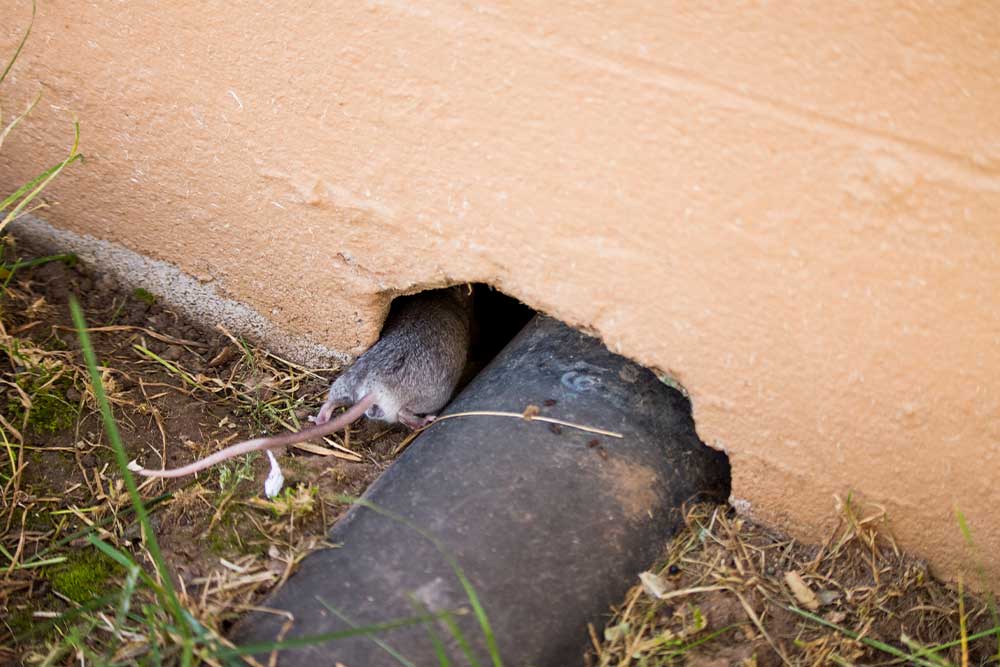
Image Source: eliteextermination.com
The Allure of the Human Dwelling
Our homes, to a mouse, represent a veritable paradise compared to the harsh realities of the outside world. They offer a constant supply of potential food, a stable temperature, and protection from predators and the elements. This makes our houses, and other human habitations, highly desirable targets for these small mammals.
Seeking Sustenance: The Kitchen is King
The kitchen is often the primary magnet for mice. They are attracted by a variety of food sources, often readily available in our kitchens and pantries.
Exposed Food Sources
- Crumbs and Spills: Even tiny crumbs left on countertops, floors, or in toasters can provide a meal for a hungry mouse.
- Unsealed Food Containers: Packaged foods like cereal, pasta, rice, and pet food are easy targets if not stored in airtight containers. Mice can gnaw through plastic and cardboard with surprising ease.
- Garbage Cans: Uncovered or poorly sealed trash cans are a treasure trove for mice, offering a buffet of discarded food scraps.
- Pet Food: Dry pet food left out overnight, or even scattered kibble, is a consistent food source.
Water Availability
While less critical than food, a consistent water source can also draw mice. Leaky faucets, condensation on pipes, or even pet water bowls can provide this essential element.
The Quest for Comfort: Warmth and Shelter
As the seasons change, particularly with the onset of colder weather, mice actively seek warm, protected places to shelter and breed. Our homes provide an ideal environment, shielded from wind, rain, and predators.
Nesting Materials
Mice are adept at creating cozy nests using a variety of soft materials. They will readily use:
- Insulation: Loose-fill insulation in attics, walls, or crawl spaces is prime nesting material.
- Fabric and Paper: Dropped socks, old newspapers, cardboard boxes, and even shredded documents can be repurposed.
- Cotton and Wood Shavings: Any soft, fibrous material they can find will be used to build a comfortable nest.
Safe Havens
Inside our homes, mice can find numerous safe havens to escape danger and raise their young. These include:
- Wall Voids: The spaces within walls offer protection and are rarely disturbed by humans.
- Attics and Basements: These areas are often less frequented by people and can provide ample hiding places and nesting opportunities.
- Crawl Spaces: Damp and dark crawl spaces are particularly attractive.
- Behind Appliances: The warmth generated by appliances like refrigerators, stoves, and dishwashers can be a strong attractant.
Identifying the Uninvited Guests: Signs of Mice
Before you see a mouse scurrying across your floor, there are often subtle signs that indicate their presence. Recognizing these early indicators is crucial for effective mouse prevention and can help you address a potential rodent infestation before it becomes a major problem.
Droppings: The Tell-Tale Sign
Mouse droppings are one of the most common and definitive signs of their presence.
- Appearance: They are typically small, dark brown or black, and pellet-shaped, resembling grains of rice.
- Location: You’ll often find them along baseboards, in kitchen cabinets, near food sources, and in areas where mice are nesting.
- Quantity: The more droppings you find, the more active the mouse population likely is.
Gnaw Marks: Evidence of Chewing
Mice have continuously growing incisors that they need to wear down. This leads them to gnaw on various materials.
- Common Targets: Cardboard, wood, plastic packaging, electrical wires, and even furniture can show signs of gnawing.
- Purpose: Beyond wearing down their teeth, gnawing is also how they create entry points and access food.
Smudge Marks: The Greasy Trail
As mice travel along the same routes repeatedly, especially along walls, the oil and dirt from their fur can leave dark, greasy smudges on surfaces.
- Appearance: These marks are usually gray or brown and can be found on baseboards, walls, and cabinets.
- Indicator: The presence of smudge marks suggests a consistent pathway used by mice.
Sounds: The Midnight Scramble
If you hear scurrying, scratching, or gnawing sounds, particularly at night when mice are most active, it’s a strong indication that they are within your walls or attic.
Nests: Hidden Homes
Mice build nests from soft materials they gather. You might discover these hidden homes in:
- Forgotten Corners: Behind stored items in attics, basements, or closets.
- Inside Furniture: Upholstered furniture or mattresses can be a nesting site.
- Within Walls or Ceilings: Often unseen but indicated by related sounds or insulation disturbance.
Decoding the Entry Points for Mice
Mice are incredibly small and can squeeze through surprisingly tiny openings. Identifying these common entry points for mice is fundamental to effective rodent exclusion. A mouse can fit through a hole the size of a dime (about 1/4 inch).
Structural Weaknesses
The exterior of your home can have numerous vulnerabilities that mice exploit.
Cracks and Holes in the Foundation
- Foundation Walls: Small cracks or gaps in the foundation are common entry points, especially where utilities enter the house.
- Mortar: Deteriorated mortar between bricks can also create access.
Gaps Around Utilities and Pipes
- Plumbing and Electrical Lines: Any points where pipes, wires, or cables enter your home are potential entry points if not properly sealed.
- Vents and Exhausts: Dryer vents, bathroom exhaust fans, and attic vents can be entry points if they lack proper screening.
Doors and Windows
- Door Sweeps: Gaps under doors, even small ones, are an open invitation. Worn or missing door sweeps are a common culprit.
- Window Frames: Cracks in window frames or damaged screens can allow mice to enter.
Roof and Eaves
- Roofline Gaps: Gaps where the roof meets the walls, especially under eaves, can be accessed.
- Damaged Shingles or Tiles: Loose or missing roof materials can create entry points into the attic.
Garages and Sheds
- Attached Garages: Garages are often less sealed than the main house and can serve as a staging ground for mice to enter the living areas.
- Outbuildings: Sheds and garages that are not adequately sealed can harbor mice, who may then find their way into the main dwelling.
Fortifying Your Home: Mouse Prevention Strategies
Implementing a comprehensive approach to mouse prevention is key to keeping these household pests at bay. This involves a combination of sealing entry points, eliminating attractants, and utilizing effective mouse deterrence methods.
Sealing Gaps and Cracks: The First Line of Defense
Rodent exclusion is paramount. Meticulously sealing all potential entry points is the most effective way to prevent mice from entering your home.
Exterior Sealing Techniques
- Caulking: Use high-quality caulk to seal small cracks and crevices in the foundation, walls, and around windows and doors.
- Steel Wool and Hardware Cloth: For larger gaps or openings around pipes and vents, pack them with steel wool (mice dislike chewing through it) and then seal with caulk or hardware cloth (a sturdy wire mesh).
- Door and Window Seals: Ensure door sweeps are intact and fit snugly against the threshold. Repair or replace damaged window screens.
- Ventilation Covers: Install fine-mesh screens over all vents, including attic, soffit, and foundation vents.
Interior Sealing Efforts
- Cabinet and Drawer Sealing: Seal any gaps or holes within kitchen cabinets and drawers where mice might travel.
- Utility Penetrations: Inspect where pipes and wires enter your home from basements or crawl spaces and seal any gaps.
Eliminating Attractants: Removing the Welcome Mat
Once entry points are secured, focus on removing anything that might attract mice to your home. This is a critical aspect of home pest control.
Food Storage and Hygiene
- Airtight Containers: Store all dry goods (cereal, pasta, flour, pet food) in glass, metal, or thick plastic containers with tight-fitting lids.
- Prompt Cleanup: Clean up spills and crumbs immediately, both on countertops and floors.
- Dishwashing: Wash dishes promptly after meals; don’t leave them in the sink overnight.
- Garbage Management: Use garbage cans with tight-fitting lids and empty them regularly. Consider placing garbage cans outside your home if possible.
- Pet Food Habits: Avoid leaving pet food out overnight. Feed pets at specific times and then put away any uneaten food. Clean pet bowls regularly.
Managing Your Yard
- Trim Vegetation: Keep shrubs and trees trimmed back from your house, as these can provide bridges for mice to reach your home.
- Debris Removal: Clear away any debris, woodpiles, or overgrown vegetation near your foundation, as these offer shelter and nesting sites.
- Compost Management: If you compost, ensure the pile is managed correctly and not placed too close to the house.
Mouse Deterrence Methods: Discouraging Visitors
Beyond sealing and cleaning, there are several methods to deter mice.
Traps: A Traditional Approach
- Snap Traps: These are effective and humane if set correctly, but require careful placement and regular checking.
- Glue Traps: While they catch mice, they can be considered less humane and can be messy.
- Live Traps: These allow you to catch mice and release them elsewhere, but you must be diligent about checking them.
Table 1: Common Mouse Trapping Methods
| Trap Type | Pros | Cons | Best Use |
|---|---|---|---|
| Snap Trap | Effective, relatively inexpensive, quick kill | Can be messy, requires careful placement, potential for injury to pets/children | High-traffic mouse areas, along walls and known pathways. |
| Glue Trap | Simple to use, inexpensive | Can be inhumane, messy, mice can struggle and suffer | Areas where other traps are difficult to place, but use with caution. |
| Live Trap | Humane, allows relocation | Requires frequent checking, mice may return if released too close | For those who prefer not to harm the mice, but relocation needs careful thought. |
Repellents: Natural and Chemical Options
- Peppermint Oil: Mice reportedly dislike the strong scent of peppermint oil. Place cotton balls soaked in peppermint oil in areas where you suspect mouse activity.
- Ammonia: Some people use ammonia-soaked rags, as its strong smell can be a deterrent. However, ammonia is harmful and should be used with extreme caution, especially around pets and children.
- Commercial Repellents: Various ultrasonic repellents and chemical repellents are available, though their effectiveness can vary.
Professional Home Pest Control
If you suspect a significant rodent infestation, or if your DIY efforts are not yielding results, it’s time to consider professional home pest control. Experienced exterminators can:
- Identify Hidden Entry Points: They have the expertise to find subtle entry points you might miss.
- Assess the Extent of the Infestation: They can determine the severity of the problem.
- Implement Targeted Treatments: They use professional-grade products and strategies for effective eradication.
- Provide Long-Term Solutions: They can advise on and implement lasting rodent exclusion measures.
Common Pest Problems and How Mice Fit In
Mice are among the most common household pests, often appearing alongside other unwelcome visitors. Understanding the broader context of common pest problems can help in managing your home environment.
Other Household Pests
- Insects: Ants, cockroaches, and spiders are frequently found in homes, also seeking food, water, and shelter.
- Other Rodents: Rats can also infest homes, posing greater risks due to their size and potential for transmitting diseases.
The Impact of a Rodent Infestation
A rodent infestation, whether by mice or rats, can have several negative consequences:
- Health Risks: Mice can carry and spread diseases through their droppings, urine, and saliva. They can also carry ticks and fleas.
- Property Damage: Their constant gnawing can damage electrical wiring (creating fire hazards), insulation, furniture, and structural elements of the home.
- Contamination: They can contaminate food and surfaces with their waste.
Frequently Asked Questions (FAQ)
Q1: How do mice get inside my house?
Mice can squeeze through incredibly small openings, as small as a dime-sized hole. They enter homes through cracks in the foundation, gaps around pipes and wires, damaged screens on windows, and poorly sealed doors.
Q2: What attracts mice to a home?
Mice are attracted to homes primarily for food, water, and shelter. Easy access to food sources like crumbs, unsealed food containers, and garbage, along with warm, protected spaces for nesting, makes a home highly desirable.
Q3: Can I get rid of mice myself?
Yes, you can often get rid of mice yourself through diligent mouse prevention. This involves sealing all entry points, maintaining excellent sanitation to remove food and water sources, and using traps or repellents.
Q4: What are the signs that I have mice?
The most common signs include finding small, dark droppings (like grains of rice) along baseboards or in cabinets, gnaw marks on various materials, greasy smudge marks on walls, hearing scurrying or scratching sounds, and discovering nests made of soft materials.
Q5: Is it safe to use poison to kill mice?
While rodenticides can be effective, they also pose risks. They can be dangerous to children and pets if ingested, and poisoned mice can die in inaccessible locations, leading to strong odors. Traps are often a safer alternative for DIY use.
Q6: How often should I check my traps?
You should check your traps daily, or at least every other day. This ensures humane disposal of caught mice and allows you to reset traps quickly if needed.
Q7: Are ultrasonic mouse repellents effective?
The effectiveness of ultrasonic repellents is debated. Some studies suggest they can be a deterrent, while others find mice may become accustomed to the sound. They can be a supplementary tool but are not a guaranteed solution on their own.
By staying vigilant and implementing these preventative measures, you can significantly reduce the chances of a rodent infestation and keep your home a safe, mouse-free environment.