
Can you leave your oven on when you’re not home? The straightforward answer is a resounding NO. Leaving any cooking appliance unattended, especially when you are not present in your home, significantly elevates the risk of a devastating house fire. This article will delve into the critical reasons why this practice is so dangerous and explore best practices for oven safety when away and how to practice home fire prevention.
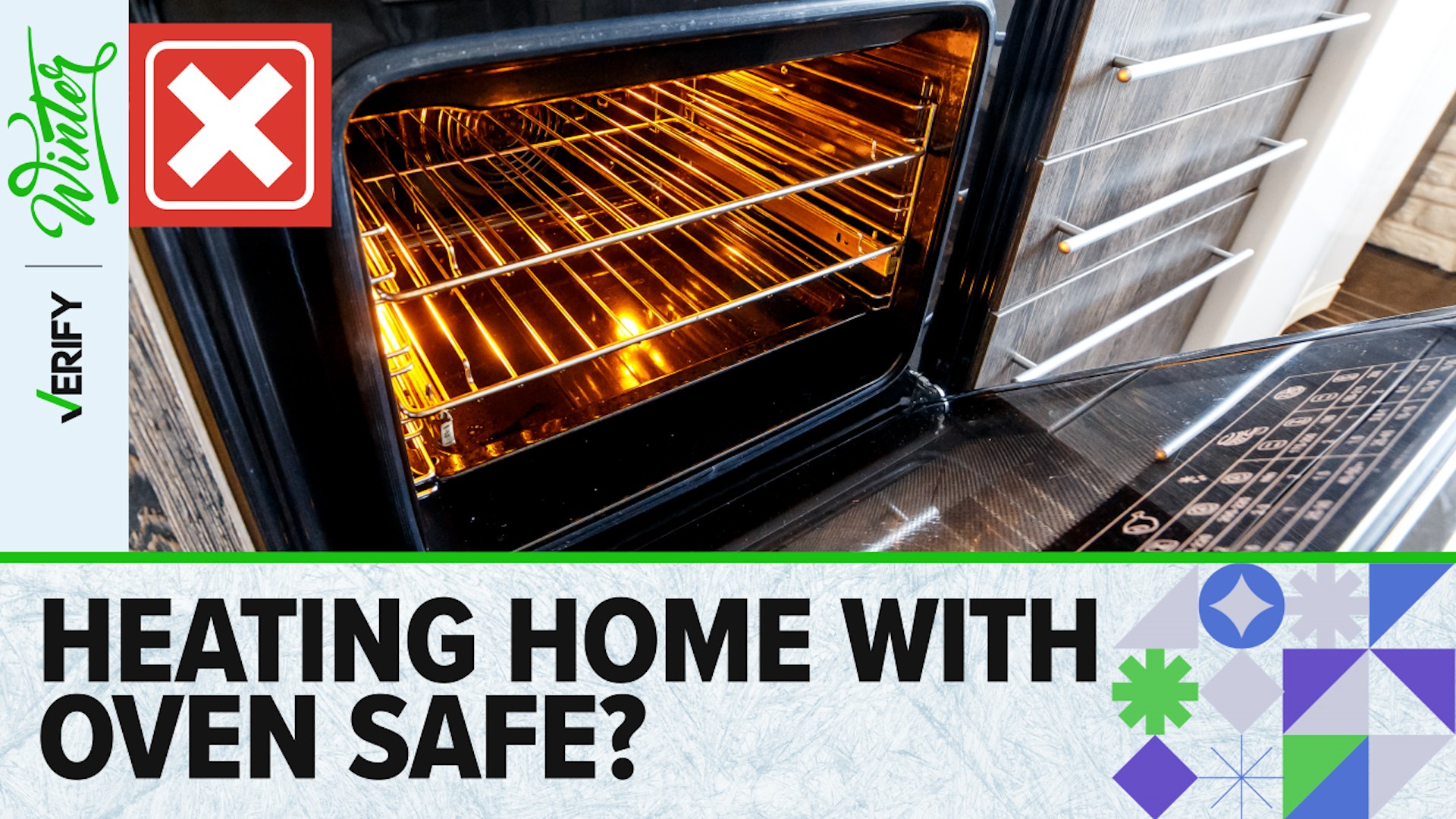
Image Source: media.thv11.com
The Peril of Leaving Appliances Unattended
The allure of returning home to a perfectly roasted meal or a warm, inviting kitchen can be tempting. However, the potential consequences of leaving oven on when not home far outweigh any perceived convenience. Unattended appliances, by their very nature, pose a substantial risk, and ovens, with their high temperatures and open flames or heating elements, are particularly hazardous.
Why Unattended Ovens are a Fire Hazard
Ovens operate at temperatures that can easily ignite flammable materials. A moment of oversight, a malfunction, or an unexpected event can quickly escalate into a dangerous situation when no one is present to intervene.
Common Scenarios Leading to Oven Fires
- Grease Buildup: Over time, grease and food debris can accumulate on the oven’s interior surfaces, heating elements, or in the self-cleaning cycle mechanism. When the oven heats up, these residues can easily ignite, leading to an oven fire risk.
- Flammable Materials Left Inside or Near the Oven: Placing aluminum foil, oven mitts, paper towels, or plastic items inside or too close to the oven while it’s on can cause them to catch fire.
- Malfunctioning Thermostats or Heating Elements: Faulty components can cause the oven to overheat beyond its set temperature, increasing the likelihood of ignition.
- Self-Cleaning Cycle Mishaps: While designed for convenience, the self-cleaning cycle operates at extremely high temperatures. If there’s excessive grease buildup or certain materials are left in the oven, this cycle can trigger a fire.
- Human Error: Forgetting to turn off the oven, misjudging cooking times, or leaving flammable items on the stovetop above the oven are all preventable errors that become catastrophic when no one is home.
The Dangers of Leaving the Kitchen Unattended
The kitchen is often considered the heart of the home, but it’s also a primary location for potential fires. Leaving the kitchen unattended for extended periods while cooking is a common contributor to house fires. When the oven is on, this risk is amplified.
Statistics and Real-World Consequences
Fire departments consistently report that cooking is the leading cause of home fires and fire-related injuries. The National Fire Protection Association (NFPA) data frequently highlights that unattended cooking is the primary contributing factor in these incidents. Imagine the devastation: a small oven fire can spread rapidly through the kitchen and the rest of your home, causing extensive property damage, endangering lives, and creating a significant emotional toll. The thought of leaving home with oven on conjures images of potential disaster.
Essential Practices for Oven Safety When Away
Prioritizing oven safety when away is not just about preventing a fire; it’s about safeguarding your home, your belongings, and the lives of your loved ones. It’s about being proactive and responsible.
The Golden Rule: Never Leave an Oven On Unattended
This cannot be stressed enough. The fundamental principle of cooking appliance safety is that active cooking operations, especially those involving high heat like ovens, require constant supervision.
Before You Leave Your Home
Before stepping out, always perform a thorough check of your kitchen and oven.
A Pre-Departure Checklist
- Confirm Oven is Off: Double-check the oven’s control panel to ensure it is completely switched off. Many modern ovens have digital displays, but a physical check of the knobs or buttons is advisable.
- Inspect the Oven Interior: Ensure there are no forgotten items inside the oven, such as oven mitts, paper towels, or plastic utensils.
- Clear the Area Around the Oven: Make sure there are no flammable materials stored near the oven, on the stovetop, or on nearby countertops. This includes dish towels, curtains, or decorative items.
- Check the Cooktop: If you have an electric smooth-top range, ensure no pots or pans are left on the burners that might retain heat or cause a hazard if accidentally bumped. For gas stoves, ensure all burner knobs are securely in the “off” position.
- Consider Smart Home Technology: Some smart ovens can be monitored remotely via smartphone apps, allowing you to check their status. However, this should never be a substitute for turning off the appliance if you are leaving for an extended period.
When Using the Self-Cleaning Function
The self-cleaning cycle, while convenient, requires extra caution.
Preventing Oven Fires During Self-Cleaning
- Thoroughly Clean Out Debris: Before initiating the self-cleaning cycle, remove any large food particles or spills from the oven’s interior. The more grease and residue, the higher the risk.
- Remove Oven Racks and Accessories: Unless the manufacturer’s instructions specifically state otherwise, remove oven racks, broiler pans, and any other accessories. These can warp, discolor, or even catch fire at the extreme temperatures of the self-cleaning cycle.
- Ventilate the Area: The self-cleaning process can produce smoke and odors. Ensure good ventilation by opening windows or using your kitchen’s exhaust fan.
- Stay Home During the Cycle: It is strongly recommended to be present in the home while the self-cleaning cycle is active. If a fire does start, you can take immediate action.
Understanding Different Oven Types and Their Risks
While the core principle of never leaving an oven on unattended remains constant, different oven types might present slightly varied considerations for cooking appliance safety.
Electric Ovens
Electric ovens typically use heating elements at the top and bottom. They are generally considered safer than gas ovens due to the absence of an open flame. However, they are still prone to fires from grease buildup on the elements or from electrical malfunctions.
Gas Ovens
Gas ovens utilize a burner at the bottom and often a broiler element that also uses gas. The presence of an open flame introduces an immediate ignition source. Any gas leak or malfunction with the ignition system can quickly lead to a fire. Ensuring the gas supply is properly shut off at the burner is crucial.
Convection Ovens
Convection ovens have a fan that circulates hot air, leading to more even cooking. This fan action can potentially spread flames or hot embers more rapidly if an ignition event occurs. Therefore, preventing oven fires in convection ovens requires the same vigilance, if not more, regarding cleanliness and supervision.
Smart Ovens
Modern “smart” ovens offer remote monitoring and control capabilities. While these can be helpful for checking the status of your oven, they do not eliminate the fundamental risks associated with leaving oven on when not home. A smart oven is still a powerful appliance that can cause a fire if not used responsibly.
What to Do If You Discover an Oven Fire
In the unfortunate event that you discover a fire in your oven, immediate and correct action is paramount to preventing oven fires from spreading.
Steps to Take
- Stay Calm and Assess: Quickly assess the severity of the fire.
- Turn Off the Oven: If the oven door is closed and the fire appears small and contained within the oven cavity, immediately turn off the oven at the power source. For gas ovens, turn off the gas supply.
- Keep the Door Closed: Do NOT open the oven door. Opening the door will supply oxygen to the fire, potentially making it worse and causing it to flare up.
- If the Fire is Small and Contained: If the fire is small and appears to be dying down after turning off the oven, you can try to smother it with a metal oven rack or by carefully covering the oven opening with a metal baking sheet or cookie sheet.
- If the Fire Grows or You Cannot Control It: If the fire is spreading, or if you cannot safely extinguish it by turning off the oven and keeping the door shut, evacuate yourself and anyone else in the home immediately. Close the door to the room the fire is in to help contain it if possible.
- Call Emergency Services: Once safely outside, call your local fire department immediately.
What NOT to Do
- Do NOT use water: Water can spread grease fires and create dangerous steam explosions.
- Do NOT use flour or baking soda haphazardly: While baking soda can smother small grease fires, using large amounts of flour can actually fuel a fire.
- Do NOT try to move the burning appliance: This can spread the fire and cause burns.
Creating a Safer Kitchen Environment
Beyond the immediate act of leaving oven on when not home, fostering a culture of home fire prevention in your kitchen involves several proactive measures.
Regular Maintenance and Cleaning
A clean oven is a safer oven. Regular cleaning is one of the most effective ways to mitigate oven fire risk.
Cleaning Schedule and Methods
- Wipe Up Spills Immediately: Clean up any spills or splatters as soon as the oven has cooled down enough to touch. This prevents grease and food residue from accumulating.
- Deep Clean Regularly: Depending on usage, aim for a deep clean of your oven at least every 3-6 months. This includes cleaning the interior walls, the door, and the heating elements (refer to your oven’s manual for specific cleaning instructions).
- Address Grease Buildup: Pay special attention to areas where grease tends to accumulate, such as the bottom of the oven and around the door seals.
Installing and Maintaining Smoke Detectors
Smoke detectors are your first line of defense against any fire, including those originating from your oven.
Smoke Detector Best Practices
- Placement: Install smoke detectors on every level of your home, including inside and outside sleeping areas.
- Testing: Test your smoke detectors monthly by pressing the test button.
- Battery Replacement: Replace batteries at least once a year, or according to the manufacturer’s recommendations. Consider 10-year lithium batteries for reduced maintenance.
- Detector Lifespan: Replace smoke detectors every 10 years, as their sensors can degrade over time.
Educating Household Members
Ensuring everyone in your household understands the risks associated with unattended cooking and leaving kitchen unattended is vital.
Teaching Safe Habits
- Supervision: Emphasize the importance of never leaving oven on unattended, especially when children are present.
- Fire Safety Rules: Teach children about fire safety, including what to do in case of a fire and the importance of calling emergency services.
- Safe Cooking Practices: Instill good habits like keeping flammable materials away from the stove and oven.
The Technology of Safety: Modern Oven Features
Many modern ovens come equipped with features designed to enhance safety.
Built-in Safety Mechanisms
- Automatic Shut-off Timers: Some ovens have timers that automatically shut off the appliance after a set period, even if it’s not actively being used for cooking.
- Door Locks: Certain ovens can lock the door during self-cleaning cycles or when children are present.
- Temperature Limiters: These prevent the oven from exceeding a safe maximum temperature, reducing the risk of overheating and ignition.
Smart Oven Capabilities
- Remote Monitoring: As mentioned, some smart ovens allow you to check their status (on/off) remotely.
- Notifications: Receive alerts on your phone if the oven has been left on for an extended period or if a potential issue is detected.
While technology can be a valuable aid in preventing oven fires, it is crucial to remember that these features are supplementary to responsible user behavior. They do not grant permission to violate the fundamental rule of leaving oven on when not home.
Case Studies: The Consequences of Negligence
While specific names and dates are omitted to protect privacy, the recurring themes in fire department reports and insurance claims paint a stark picture of the dangers of leaving oven unattended.
Example 1: The Forgotten Roasting Pan
A family left their home for a short grocery run, believing their turkey roasting in the oven would be fine. A buildup of grease on the roasting pan ignited. Without anyone present to intervene, the fire quickly spread, causing significant damage to the kitchen and smoke damage throughout the house. The oven fire risk was directly linked to leaving oven unattended.
Example 2: The Self-Cleaning Cycle Mishap
A homeowner initiated the self-cleaning cycle before leaving for a weekend trip. A significant amount of grease had accumulated in the oven. The extreme temperatures of the self-cleaning cycle ignited the grease, leading to a fire that spread through the ventilation system. This highlights the critical importance of thorough cleaning before using the self-cleaning feature and the dangers of leaving home with oven on, even if it’s in a “cleaning” mode.
These examples underscore the reality that unattended appliances are a significant threat.
Frequently Asked Questions (FAQ)
Q1: Can I leave my oven on while I step out for a few minutes?
A: No. It is never safe to leave oven on when not home, not even for a few minutes. An incident can happen in a very short amount of time, and you need to be present to react.
Q2: What if I just want to keep something warm in the oven?
A: Even for warming purposes, the oven should never be left unattended cooking. If you need to keep food warm, consider using a slow cooker or a warming drawer, and always ensure these are also used responsibly and with supervision when possible. If you must use the oven, ensure you are in close proximity and can monitor it at all times.
Q3: My oven has a timer, can I leave it on and go out?
A: No. A timer is a safety feature, but it does not replace the need for supervision. The timer can shut off the heat, but it cannot extinguish a fire that has already started.
Q4: What’s the safest way to cook when I have to leave the kitchen for a bit?
A: If you must leave the kitchen, turn off the appliance completely. If you are cooking something that requires a long time, consider breaking the cooking process into stages and monitoring it closely between stages. Alternatively, use appliances like slow cookers which are designed for longer, unattended cooking periods, provided they are placed in a safe, clear area.
Q5: Are newer ovens safer than older models regarding leaving them on?
A: Newer ovens may have more advanced safety features, but the fundamental risk of oven fire risk remains. They are not designed to be left unattended cooking. Always follow the manufacturer’s instructions and prioritize oven safety when away.
Q6: What should I do if I smell smoke coming from my oven after I thought I turned it off?
A: If you smell smoke, immediately unplug the oven or turn off the power at the circuit breaker. If the smoke is significant or you see flames, evacuate and call the fire department.
Conclusion: Prioritize Safety Above All Else
The question of can you leave oven on when not home has a definitive and unwavering answer: no. The convenience of having a meal ready upon your return is never worth the catastrophic risks associated with leaving oven unattended. By adhering to strict oven safety when away protocols, practicing diligent cleaning, ensuring proper functioning of smoke detectors, and educating all household members on safe practices, you can significantly contribute to home fire prevention. Remember, cooking appliance safety is a continuous effort, and your vigilance is the most critical safeguard against oven fire risk and the dangers of unattended appliances. Always prioritize the safety of your home and loved ones.