
What is the height of a mobile home? The typical height of a mobile home’s interior ceiling can range from 7 to 8 feet, while the exterior height, including the foundation and roof, can vary significantly, often reaching 10 to 14 feet or more, depending on the model and setup.
Deciphering the precise height of a mobile home can seem complex, as the term itself can refer to different aspects of the structure. Whether you’re buying a new home, transporting an existing one, or simply curious about these unique dwellings, understanding their dimensions is crucial. This guide will delve into the various heights associated with mobile homes, covering everything from interior living space to the logistical challenges of shipping.
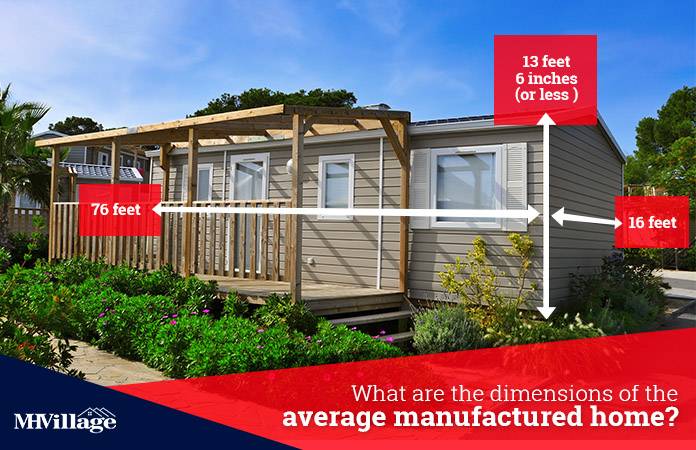
Image Source: resources.mhvillage.com
Mobile Home Exterior Dimensions: A Closer Look
When people ask about mobile home height, they often mean the overall exterior height. This figure is influenced by several factors, including the foundation it sits on, the roof pitch, and any additional features like skirting or awnings. The exterior shell itself, before any placement or additions, also has a standard height.
Standard Mobile Home Sizes and Their Heights
The term “mobile home” is often used interchangeably with “manufactured home.” While the old “mobile home” designation refers to homes built before June 15, 1976, today’s factory-built homes are known as manufactured homes and are built to stricter federal standards administered by the Department of Housing and Urban Development (HUD). These standards, the HUD Code, govern design and construction, including dimensions.
Manufactured home height varies depending on the type of home:
- Single-wide homes: These are the narrowest type, typically consisting of one section.
- Double-wide homes: These are wider, as they are constructed from two factory-built sections that are joined together on-site.
- Triple-wide homes: Less common, these are made from three factory-built sections.
The HUD code sets minimum standards for ceiling height, but the exterior height is more about transportability and design.
Deciphering Single Wide Height
A single-wide mobile home is the most basic and generally the narrowest type of manufactured home. Its single-section construction means its height is less impacted by joining sections.
Exterior Profile of a Single Wide
The exterior height of a single-wide mobile home is primarily determined by its chassis, wall construction, roof design, and the overall body. When manufactured, these homes are built on a steel frame with wheels and axles, which adds to their overall height.
- Base Height: The height of the chassis and the floor system contributes a significant portion to the overall exterior height.
- Wall Height: Standard wall heights are usually around 7 feet.
- Roof: The roof design, whether it’s a flat roof, a pitched roof, or a combination, will also add to the exterior dimension. A pitched roof, common for water runoff, will naturally increase the highest point.
When delivered, single-wide homes are typically placed on piers, concrete blocks, or a permanent foundation. The method of placement can significantly alter the perceived and actual exterior height from ground level.
Key Dimensions for Single Wides
While specific models can vary, a common exterior height for a single-wide mobile home, measured from the ground to the highest point of the roof when it’s properly situated, can range from 10 to 14 feet. This figure can increase if the home is elevated on a substantial foundation or if it features a particularly steep roof pitch.
Fathoming Double Wide Dimensions
Double-wide manufactured homes offer more living space by combining two factory-built sections. This merging of sections introduces considerations for the overall exterior height.
How Sections Affect Height
Each section of a double-wide home is built to specific dimensions for transport. When they arrive on-site, they are joined together. The process of joining can involve minor adjustments to the overall height, but the primary dimensions remain consistent.
- Similar Base: Like single-wides, double-wides have a chassis and floor system that contribute to their height.
- Roof Line: The rooflines of the two sections are designed to meet seamlessly, often forming a continuous pitched roof across the entire home. This can create a higher central point.
Double Wide Height Considerations
The exterior height of a double-wide manufactured home, when set on its foundation, is generally similar to that of a single-wide. The width of a double-wide is its most significant distinguishing feature, but its height is still within a comparable range.
- Ground to Roof Peak: When properly installed, the highest point of a double-wide manufactured home typically ranges from 10 to 14 feet. Again, the foundation type and roof design play a crucial role.
It’s important to distinguish this from the interior ceiling height, which is a separate measure and often lower than the exterior peak.
Exploring Triple Wide Height
Triple-wide manufactured homes are less common but provide even more expansive living areas, constructed from three factory-built modules.
The Nature of Triple Wide Construction
The principles of height remain similar to double-wides, but with an additional section. Each section is built independently and then joined on-site.
- Joining Process: The joining of three sections requires careful alignment to ensure structural integrity and a cohesive appearance.
- Roof Design: The roof design across three sections is crucial for water management and aesthetics. This can often result in a prominent roof peak.
Height Variations in Triple Wides
The exterior height of a triple-wide manufactured home generally falls within the same range as single-wides and double-wides when considering the distance from ground level to the roof peak.
- Typical Exterior Height: Expect the exterior height to be in the 10 to 14 foot range, depending on the foundation and roof pitch.
The increase in width for double and triple-wides does not inherently increase their exterior height. The height is more a function of the floor system, wall height, and roof design common across all HUD-Code manufactured homes.
The Importance of Mobile Home Shipping Height
When manufacturing and transporting manufactured homes, their height is a critical consideration. Homes are built with transportability in mind, and there are regulations governing the maximum dimensions that can be moved on public roads.
Navigating Road Restrictions
The height of a manufactured home, particularly when loaded onto a transport trailer, must comply with road regulations to ensure safe passage under bridges, overpasses, and power lines.
- Standard Transport Height: To comply with most road height restrictions, manufactured homes are often designed to have a lower profile during transport. This can mean that the final, installed height on a foundation might be greater than its transport height.
- Legal Limits: In many jurisdictions, the maximum legal height for a load on a vehicle, including a manufactured home, is 13 feet 6 inches (or 14 feet in some areas). This is a crucial factor in how homes are designed and transported.
How Transport Affects Final Height
To meet transport regulations, manufacturers may employ specific design strategies:
- Detachable Hitches and Axles: The chassis and axles are often designed to be removed or significantly lowered once the home reaches its destination.
- Roof Design: Some homes might have a slightly flatter roof profile during transport, with adjustable roof components or supports installed on-site to achieve the final pitched roof design.
- Foundation Setting: The final placement on a foundation can significantly elevate the home from its transport height.
Therefore, the mobile home shipping height is often a carefully engineered dimension to allow safe passage on roadways, and it differs from the final installed height.
Ceiling Height in Mobile Homes: Interior Living Space
While exterior dimensions are important for transport and site considerations, the interior ceiling height in mobile homes directly impacts the feeling of spaciousness and comfort.
Standard Interior Heights
Historically, older mobile homes (pre-HUD Code) often had lower ceilings, sometimes as low as 6 feet 6 inches to 7 feet. This was partly due to construction methods and the desire to keep the overall height low for transport.
However, modern manufactured homes are built to much higher standards and offer more comfortable interior heights.
- HUD Code Requirements: The HUD Code mandates minimum ceiling heights, ensuring a comfortable living environment.
- Common Heights: Most new manufactured homes today feature interior ceiling heights of 7 feet to 8 feet.
- 7-foot ceilings: Common in older models or more budget-friendly new constructions.
- 8-foot ceilings: Increasingly standard in many mid-range and higher-end manufactured homes, offering a more open and airy feel.
- Vaulted or Cathedral Ceilings: Some higher-end models may even offer vaulted or cathedral ceilings in living areas, further enhancing the sense of space, with the peak height potentially reaching 9 to 10 feet or more in these specific areas.
Impact on Living Experience
The difference between a 7-foot and an 8-foot ceiling is quite noticeable. An 8-foot ceiling, in particular, can make a mobile home feel much more like a traditional site-built home, reducing any feelings of being enclosed.
- Perceived Spaciousness: Higher ceilings make rooms feel larger and more inviting.
- Natural Light: They can also allow for taller windows, which can improve natural light and ventilation.
- Furniture Placement: Taller ceilings offer more flexibility when placing taller furniture or decorations.
When looking at floor plans or visiting a model home, pay close attention to the stated ceiling heights to get a true sense of the interior space.
RV Height Compared to Mobile Homes
It’s common to draw comparisons between manufactured homes and recreational vehicles (RVs), as both are factory-built and often transportable. However, their height specifications and purposes differ significantly.
Key Differences in Height
The fundamental difference lies in their intended use and construction:
- RVs: Built for mobility and travel. Their height is primarily dictated by road regulations for safe towing and driving. RVs are typically much lower in profile than manufactured homes.
- Typical RV Height: The exterior height of most RVs (travel trailers, fifth wheels, motorhomes) generally ranges from 8 to 13 feet, with the lower end being more common for travel trailers that can be towed easily. Class A motorhomes can sometimes reach up to 13-14 feet. The primary concern is clearance under bridges and overpasses.
- Manufactured Homes: Built to be placed on a permanent or semi-permanent foundation as a primary residence. While transportable, their design prioritizes living space and residential comfort over the constant mobility of an RV.
- Typical Manufactured Home Height: As discussed, the exterior height to the roof peak is often in the 10 to 14 foot range, and the interior ceiling heights are typically 7 to 8 feet.
Why the Height Difference?
The height disparity exists because:
- Purpose: RVs are for travel and need to be as compact as possible for ease of towing and maneuverability. Manufactured homes are for living and are designed to provide ample interior headroom and a more robust, house-like structure.
- Foundation: Manufactured homes are designed to be elevated on foundations, which can significantly increase their height from ground level compared to an RV which sits lower on its chassis and suspension.
- Road Clearance vs. Living Space: While both must consider road clearance during transport, the priority for manufactured homes shifts to maximizing interior living space once on-site, allowing for higher ceilings and roof pitches.
So, while you can drive an RV under many bridges that might be too low for a manufactured home during transport, once a manufactured home is placed on its foundation, its overall height profile can be comparable or even greater than some taller RVs, especially considering the roof pitch.
Mobile Home Width: Another Dimension to Consider
While this guide focuses on height, understanding mobile home width is essential for a complete picture of their dimensions. Width is a primary factor in differentiating single-wides, double-wides, and triple-wides.
Standard Widths
- Single-wide homes: Typically range from 14 to 18 feet wide. Some older or specialized models might be narrower (10-12 feet) or wider.
- Double-wide homes: As they are made of two sections, their combined width is significantly greater, usually ranging from 20 to 32 feet wide, sometimes even more for premium models.
- Triple-wide homes: Offer even greater width, often exceeding 40 feet.
Width and Transport
The width of a manufactured home is also subject to transport regulations. In most states, the maximum legal width for a manufactured home being transported on public roads is 14 feet. This means that wider homes, like most double-wides, are transported as two separate 14-foot (or narrower) sections. These sections are then joined on-site to create the final wider home.
Mobile Home Exterior Dimensions: The Full Picture
When discussing mobile home exterior dimensions, it’s important to encompass length, width, and height for a comprehensive view.
Common Exterior Lengths
- Single-wides: Can range from 40 to 76 feet long.
- Double-wides: Typically range from 50 to 80 feet long, with the two sections combined.
Combining Dimensions for a Home
Consider a common example: a 14-foot wide by 70-foot long single-wide manufactured home. Its exterior height to the roof peak might be around 12 feet when set on a standard foundation.
A double-wide might be two 16-foot by 76-foot sections. When joined, it becomes approximately 32 feet wide and 76 feet long. Its exterior height would likely remain in the 10-14 foot range.
These are generalizations, and customization allows for a wide variety of dimensions. Always refer to the specific model’s specifications for precise measurements.
Frequently Asked Questions (FAQ)
Here are some common questions regarding the height of mobile homes:
Q1: What is the average height of a mobile home ceiling?
A1: The average interior ceiling height in modern manufactured homes is typically between 7 and 8 feet. Some models may offer vaulted ceilings that are higher.
Q2: Can I find mobile homes with very high ceilings?
A2: Yes, some higher-end manufactured homes feature vaulted or cathedral ceilings that can reach 9 to 10 feet or more in living areas, providing a more spacious feel.
Q3: How does the foundation affect the height of a mobile home?
A3: The foundation significantly impacts the overall exterior height. Mobile homes are often set on piers, blocks, or concrete foundations that elevate them from the ground, increasing their total height from ground level to the roof.
Q4: Is the shipping height of a mobile home different from its installed height?
A4: Yes. Mobile homes are designed to meet road transport regulations, which often impose a maximum height limit (around 13 feet 6 inches). Therefore, the height during shipping is usually engineered to be within this limit. Once delivered and installed on a foundation, the home’s final height can be greater due to foundation elevation and roof pitch.
Q5: Are all mobile homes the same height?
A5: No, mobile home heights can vary. While the interior ceiling heights in modern homes are generally consistent (7-8 feet), the exterior height to the roof peak can differ based on the roof design, chassis height, and foundation placement.
Q6: How does the height of an RV compare to a mobile home?
A6: RVs are generally shorter in exterior height than manufactured homes when installed on their foundations. RV exterior heights typically range from 8 to 13 feet for safe road travel, while manufactured homes, once set on their foundation, often have an exterior height to the roof peak between 10 to 14 feet.
Q7: What is the maximum legal height for transporting a mobile home on the road?
A7: The maximum legal height for transporting a mobile home on most public roads is typically 13 feet 6 inches, though this can vary slightly by state or region.
By exploring these dimensions, you can better navigate the world of manufactured homes and make informed decisions about your housing needs.