
Image Source: contentgrid.homedepot-static.com
How To Heat Home With Wood Stove: Efficiently
Can you heat your entire home with a wood stove? Yes, you can heat a significant portion of your home, and often an entire smaller home, with a well-maintained and efficiently operated wood stove. This guide will walk you through everything you need to know to achieve efficient wood heating, ensuring warmth and safety.
Choosing the Right Wood Stove
The first step to efficient wood heating is selecting the right wood burning stove for your needs. There are several types of wood stoves, each with its advantages.
Modern EPA-Certified Stoves
These are the gold standard for efficient heating. EPA-certified stoves are designed to burn wood more completely, producing less smoke and more heat. They use advanced combustion technology, often featuring secondary burn tubes or catalytic converters. This means you’ll use less wood and produce fewer emissions.
- Pros: High efficiency, low emissions, cleaner burning, often aesthetically pleasing.
- Cons: Can be more expensive upfront.
Non-Catalytic Stoves
These stoves use a system of baffles and air inlets to create a secondary burn. Hot air is introduced into the firebox above the burning wood, igniting the smoke and gases.
- Pros: Simpler operation than catalytic stoves, generally less maintenance.
- Cons: May not be as efficient as catalytic models, can produce more emissions.
Catalytic Stoves
These stoves use a ceramic baffle with a metal catalyst. When the stove reaches a high temperature, the catalyst ignites the smoke and gases, allowing them to burn at a lower temperature.
- Pros: Very high efficiency, can burn at lower temperatures for longer periods.
- Cons: Require periodic replacement of the catalytic combustor, can be more sensitive to wood moisture content.
Other Heating Options (Less Common for Primary Heating)
- Wood Furnaces: These are central heating systems that burn wood and distribute hot air or water throughout the house via ductwork or pipes. They are designed for whole-home heating but are a larger investment and require more complex installation.
- Masonry Heaters: These are heavy structures made of brick or stone that absorb heat from a fire and radiate it slowly over many hours. They offer excellent radiant heat but are a significant structural addition to a home.
When choosing, consider the size of your home, your climate, and your budget. A dealer can help you calculate the appropriate BTU output needed for your space.
Essential Components for Efficient Wood Heating
Beyond the stove itself, other components play a crucial role in efficient wood heating.
Wood Stove Installation
Proper wood stove installation is paramount for safety and efficiency. This involves:
- Location: The stove should be placed on a non-combustible floor protector (hearth pad) and have adequate clearance from walls and combustible materials. Local building codes dictate these clearances, and they are crucial for preventing fires.
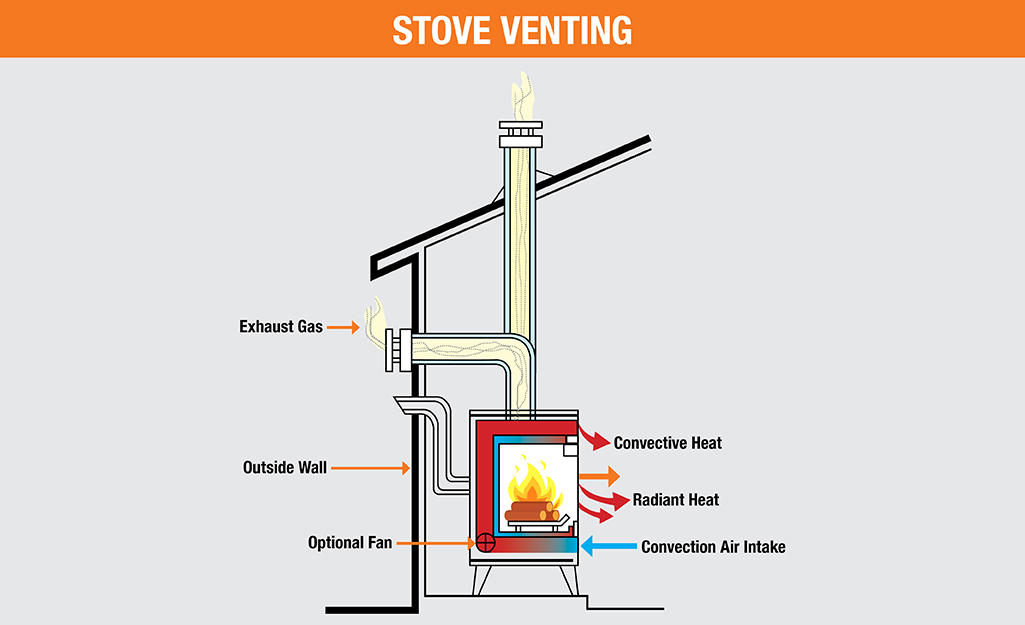
- Chimney System: A properly sized and installed chimney is vital. It needs to create adequate draft to pull smoke and combustion gases out of the stove and up through the chimney. A well-designed chimney system ensures that smoke doesn’t enter your home, contributing to good indoor air quality.
- Professional Installation: For optimal safety and performance, consider professional wood stove installation. Installers are trained to understand building codes, clearances, and proper chimney connections.
Hearth Safety
Hearth safety is non-negotiable. This includes:
- Non-Combustible Hearth Pad: A thick, non-combustible material extending in front of and to the sides of the stove is required by code. This protects your flooring from stray embers and radiant heat.
- Clearances: Always maintain the manufacturer-specified clearances to combustible materials (walls, furniture, curtains). These are usually listed in the stove’s manual.
- Ash Disposal: Never put hot ashes in a plastic or paper container. Use a metal ash bucket with a tight-fitting lid and place it on a non-combustible surface away from the house until completely cool.
Chimney Cleaning and Maintenance
Regular chimney cleaning is one of the most critical aspects of safe wood stove operation.
- Creosote Buildup: Burning wood creates creosote, a flammable tar-like substance that coats the inside of the chimney. If not removed, creosote can ignite, causing a dangerous chimney fire.
- Frequency: The National Fire Protection Association (NFPA) recommends that chimneys, fireplaces, and vents be inspected at least once a year. Cleaning frequency depends on usage and the type of wood burned, but annual cleaning is a good baseline.
- Professional Chimney Sweep: A professional chimney sweep can thoroughly clean your chimney and inspect it for any damage or blockages. This is essential for fireplace maintenance and overall safety.
Sourcing and Storing Quality Wood Fuel
The type and condition of your wood stove fuel significantly impact efficiency and emissions.
Types of Wood Fuel
- Hardwoods vs. Softwoods: Hardwoods (oak, maple, ash, beech) are denser than softwoods (pine, spruce, fir). This means hardwoods burn longer and produce more heat per cord. Softwoods burn faster and hotter, making them good for quick heat but requiring more frequent reloading.
- Seasoned Wood: The most crucial factor is using seasoned wood. This means the wood has been dried for at least six to twelve months, preferably eighteen months, to reduce its moisture content.
- Unseasoned (Green) Wood: Burning unseasoned wood is highly inefficient. The stove will spend most of its energy boiling off the water, producing little heat and a lot of smoke and creosote. This is bad for your stove, your chimney, and your indoor air quality.
How to Season Wood
- Cut and Split: Cut logs to stove length and split them into manageable pieces. This exposes more surface area for drying.
- Stack Properly: Stack wood in a location that allows for good air circulation. A sunny, breezy spot is ideal. Avoid stacking directly on the ground; use a pallet or some lumber to elevate the wood.
- Cover: Cover the top of the woodpile to protect it from rain and snow, but leave the sides open for air circulation.
- Check Moisture Content: Use a wood moisture meter. Properly seasoned firewood should have a moisture content of 15-20%. You’ll see small cracks on the ends of the logs, and the wood should be lighter in weight and make a hollow “clunk” sound when two pieces are hit together.
Storing Wood
- Indoor Storage: Only bring enough seasoned wood indoors for 24-48 hours of burning. Storing large quantities indoors can attract pests and may contain residual moisture.
- Outdoor Storage: Keep your main woodpile at least 10-15 feet away from your house and any other combustible structures.
Mastering Efficient Wood Stove Operation
Once you have the right stove and fuel, learning safe wood stove operation techniques will maximize your heating efficiency.
Building and Maintaining the Fire
- Kindling and Small Pieces: Start with dry kindling (small, easily ignitable wood) and progressively add larger pieces of seasoned wood.
- Airflow: Most modern stoves have primary and secondary air controls.
- Primary Air: Controls the airflow to the bottom of the fire, crucial for getting the fire started and burning brightly.
- Secondary Air: Controls the airflow to the top of the firebox, used for secondary combustion and maintaining a clean burn once the fire is established.
- Starting the Fire: Open the primary air control fully. Once the fire is burning strongly and the stove is warming up, gradually reduce the primary air and open the secondary air control as needed to achieve a steady, efficient burn.
- Loading the Stove:
- Don’t overload the stove. Follow the manufacturer’s recommendations.
- Load wood onto a bed of hot embers.
- Arrange logs to allow for good airflow.
- Close the door securely but don’t “slam” it.
Regulating the Burn for Efficiency
- The “Hot” Burn: For quick heating or getting a fire going, use more air. This will burn your wood faster.
- The “Slow” Burn: Once you have a good bed of coals and the stove is hot, you can reduce the air supply to achieve a longer, more efficient burn. Find the sweet spot for your stove where the flames are active but not roaring, and the glass remains relatively clean.
- Monitor the Smoke: A well-functioning, efficient stove will produce very little visible smoke from the chimney. Thick, dark smoke indicates incomplete combustion and wasted heat.
- Ash Management: Regularly remove ash from the firebox, leaving a small layer (about an inch) to help insulate the coals and improve airflow.
Understanding Draft Control
Draft is the force that pulls air into the stove and smoke out the chimney.
- Too Much Draft: Can cause the fire to burn too quickly and inefficiently, wasting fuel and potentially overheating the stove.
- Too Little Draft: Can cause smoke to spill out into the room and prevent the fire from burning efficiently.
Most stoves have adjustable dampers or air controls that influence draft. Experiment to find the optimal settings for your specific stove and chimney.
Maintaining Your Wood Stove and Chimney for Longevity and Safety
Regular maintenance is key to ensuring your wood burning stove operates safely and efficiently for years to come.
Regular Stove Inspections
- Door Gasket: Check the door gasket for wear and tear. A leaking gasket allows excess air into the stove, reducing efficiency and potentially causing overheating. Replace if it appears compressed or brittle.
- Glass: Clean the stove glass regularly with a dedicated cleaner or a damp cloth with ash. Dirty glass reduces radiant heat output.
- Baffles and Firebricks: Inspect the firebricks and baffles for cracks or damage. These protect the stove’s metal shell and are crucial for efficient combustion. Replace any damaged components.
Chimney Maintenance Schedule
- Annual Inspection and Cleaning: As mentioned, get your chimney inspected and cleaned annually by a certified professional.
- Check for Blockages: Occasionally check the top of your chimney for bird nests or other debris, especially if you notice reduced draft.
- Exterior Chimney Inspection: Look for any cracks or damage in the masonry or metal flue liner.
What is a Creosote Fire?
A creosote fire is a chimney fire caused by the ignition of flammable creosote deposits within the chimney flue. These fires burn at extremely high temperatures and can quickly spread to the rest of the house if the chimney is not properly maintained.
Maximizing Efficiency and Minimizing Environmental Impact
Efficient wood heating isn’t just about saving money; it’s also about minimizing your environmental footprint.
Burning the Right Wood
- Density: Hardwoods provide more heat for longer.
- Seasoning: Crucial for clean burning and efficiency.
- Avoid Treated Wood or Trash: Never burn painted wood, pressure-treated lumber, particleboard, or trash. These release toxic chemicals into your home and the atmosphere.
Stove Efficiency Ratings
- Look for stoves with high efficiency ratings. The EPA certification label provides this information.
- Higher efficiency means more heat from less wood and fewer emissions.
Indoor Air Quality
A properly functioning wood stove and chimney system are essential for maintaining good indoor air quality.
- Draft Issues: If your stove isn’t drafting correctly, smoke can enter your living space, releasing particulate matter and carbon monoxide.
- Ventilation: Ensure your home has adequate ventilation, especially if you have a tightly sealed, energy-efficient home. Some modern stoves require a dedicated outside air supply.
- Carbon Monoxide Detectors: Install carbon monoxide detectors on every level of your home, especially near sleeping areas. Test them regularly.
Troubleshooting Common Wood Stove Issues
Even with careful operation, you might encounter minor issues.
Stove Not Heating Well
- Check Wood: Is it seasoned?
- Check Draft: Is the chimney clear? Are air controls open enough?
- Check Firebox: Is there a good bed of coals?
- Ash Buildup: Too much ash can restrict airflow.
Smoke Spilling into the Room
- Fire Not Established: Ensure the fire is burning strongly before closing the door completely.
- Cold Chimney: A cold chimney won’t draft well. Try a “start-up” with more air.
- Blocked Chimney: This is a serious issue requiring immediate attention from a chimney professional.
- House is Too Airtight: Consider an outside air kit for your stove.
- Door Gasket Leak: Check and replace if necessary.
Excessive Smoke from Chimney
- Burning Unseasoned Wood: This is the most common cause.
- Overloading the Stove: Not enough air for combustion.
- Air Controls Set Too Low: Not allowing for secondary combustion.
Frequently Asked Questions (FAQ)
Q1: How often should I clean my chimney?
A1: The National Fire Protection Association (NFPA) recommends annual inspection and cleaning. However, if you burn a lot of wood or burn less seasoned wood, you might need more frequent cleaning.
Q2: Can I burn any type of wood?
A2: It’s best to burn seasoned hardwoods for maximum efficiency and minimum emissions. Avoid treated lumber, particleboard, painted wood, and trash, as they release toxic fumes.
Q3: How do I know if my wood is seasoned?
A3: Seasoned wood will have a moisture content of 15-20%. It will have cracks on the ends, feel lighter, and make a hollow sound when two pieces are tapped together. A moisture meter is the most accurate way to check.
Q4: Is it safe to leave a wood stove burning overnight?
A4: With proper operation and a well-maintained stove, it can be safe to let a wood stove smolder overnight. However, it’s crucial to ensure the fire is managed efficiently to prevent excessive creosote buildup and potential issues. Always check the stove before going to bed and in the morning.
Q5: What are the main safety concerns with wood stoves?
A5: The primary safety concerns are chimney fires due to creosote buildup, carbon monoxide poisoning from incomplete combustion, and house fires from improper clearances to combustible materials. Regular maintenance, proper operation, and carbon monoxide detectors are essential.
Q6: How much wood do I need to heat my home?
A6: This varies greatly depending on your home’s size, insulation, climate, and the efficiency of your wood stove. A cord of seasoned hardwood can typically heat an average-sized home for a significant portion of the winter.
By following these guidelines, you can enjoy the cozy warmth and cost savings of efficient wood heating while prioritizing safety and a healthy environment. Remember, a well-maintained wood burning stove and diligent fireplace maintenance are the cornerstones of a warm and safe winter.