
Can you pull out a back tooth at home safely? No, attempting to pull out a back tooth at home is extremely dangerous and strongly discouraged by dental professionals. This guide will explore why this is the case and discuss safer alternatives for managing dental emergencies at home.
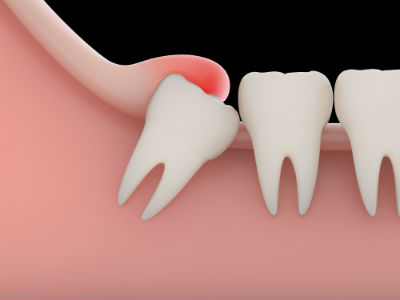
Image Source: www.delkovacevicdmd.com
How To Pull Out A Back Tooth At Home Safely: A Guide
The thought of a throbbing toothache can drive people to consider desperate measures. When a back tooth is causing unbearable pain, the idea of DIY tooth extraction might cross your mind. However, it’s crucial to understand that self-extraction of molar is fraught with significant risks and rarely leads to a safe or successful outcome. This article aims to provide a comprehensive overview of why home tooth extraction is ill-advised and what safe alternatives exist for temporary tooth pain relief and managing a dental emergency at home.
The Dangers of DIY Tooth Extraction
Extracting a tooth, especially a molar, is a complex procedure requiring specialized tools, sterile environments, and extensive training. Attempting this at home can lead to severe complications:
- Infection: The mouth is full of bacteria. Without proper sterilization, you risk introducing harmful bacteria into the wound, leading to serious infections that can spread to other parts of the body.
- Incomplete Extraction: Molars have multiple roots, often curved and deeply embedded in the jawbone. You might break off the crown of the tooth, leaving the roots behind. This can cause persistent pain, infection, and require more complex dental procedures to remove the remaining fragments.
- Damage to Surrounding Teeth and Gums: The force and awkward angles involved in DIY extraction can easily damage adjacent teeth, their roots, and the soft tissues of your gums and cheeks.
- Excessive Bleeding: Blood vessels in the mouth are abundant. Improper extraction can lead to uncontrolled bleeding that is difficult to stop at home.
- Jawbone Damage: Aggressive pulling or prying can fracture your jawbone, leading to chronic pain and difficulty with eating or speaking.
- Nerve Damage: Nerves run through the jawbone and can be easily damaged during a forceful, untrained extraction attempt. This can result in permanent numbness or altered sensation in your lips, chin, or tongue.
- Pain and Trauma: The experience is likely to be excruciatingly painful, even with local numbing agents. The psychological trauma of such an event can also be significant.
When to Seek Professional Dental Help
A loose back tooth or a broken tooth can be a sign of underlying dental problems that require professional attention. It’s always best to consult a dentist as soon as possible.
Recognizing a Dental Emergency
While not all toothaches constitute a true emergency, certain situations warrant immediate dental care:
- Severe, unrelenting pain.
- Swelling of the face or jaw.
- Difficulty breathing or swallowing.
- Fever along with tooth pain.
- Bleeding that doesn’t stop.
- A knocked-out tooth.
Even if your situation doesn’t appear to be a dire emergency, persistent tooth pain or a compromised tooth should be evaluated by a dental professional. They have the expertise and equipment to diagnose the problem correctly and perform extractions or other necessary treatments safely.
At-Home Dental Remedies for Temporary Relief
While you absolutely should not attempt to pull out a tooth yourself, there are several at-home dental remedies that can provide temporary tooth pain relief while you wait for your dental appointment. These focus on managing symptoms and preventing further irritation.
Managing Tooth Pain and Swelling
Here are some safe and effective ways to cope with toothache at home:
- Saltwater Rinse: Mix half a teaspoon of salt in a glass of warm water. Swish this mixture around your mouth for about 30 seconds, then spit it out. Do this several times a day. Saltwater helps to clean the area, reduce inflammation, and can draw out some of the infection.
- Cold Compress: Apply a cold pack or a bag of frozen peas wrapped in a cloth to the outside of your cheek, over the painful area. Apply for 15-20 minutes at a time, with breaks in between. This can help numb the pain and reduce swelling.
- Over-the-Counter Pain Relievers: Medications like ibuprofen (Advil, Motrin) or naproxen (Aleve) can help reduce pain and inflammation. Acetaminophen (Tylenol) can also help with pain. Always follow the dosage instructions on the package.
- Clove Oil: Clove oil contains eugenol, a natural anesthetic and antiseptic. Dab a small amount of clove oil onto a cotton ball and gently apply it to the affected tooth and gum area. Be careful not to swallow it, as it can be irritating if ingested in large quantities.
- Keep Your Head Elevated: When sleeping, try to prop your head up with extra pillows. This can help reduce throbbing and pressure in your head.
- Avoid Irritants: Stay away from very hot or cold foods and drinks, as well as sugary or acidic foods, which can worsen tooth sensitivity and pain.
Natural Tooth Removal Considerations
The idea of natural tooth removal often arises when people are seeking less invasive or more “natural” solutions. However, in the context of a problematic tooth that needs to be removed, the only truly “natural” approach is for the tooth to become so loose that it eventually falls out on its own due to severe decay or gum disease. This is a passive process and not something you can or should actively try to induce at home.
If you have a loose back tooth that feels like it might fall out soon, and it’s causing significant discomfort, the safest course of action is still to see a dentist. They can assess why the tooth is loose and manage its removal or stabilization if appropriate.
When a Tooth Breaks: What to Do
If you experience a situation where a tooth breaks, especially a back tooth that is harder to reach and manage, immediate action can help mitigate damage and prepare for professional care:
- Rinse Your Mouth: Gently rinse your mouth with warm water.
- Save the Tooth Fragment (if possible): If a piece of the tooth has broken off, try to find it. Rinse it gently with water (without scrubbing) and place it in a small container with milk, saliva, or a special tooth preservation solution if you have one. This can sometimes be reattached by a dentist.
- Control Bleeding: If there is bleeding, apply gentle pressure to the area with a clean gauze pad.
- Protect the Area: If a sharp edge of the broken tooth is irritating your tongue or cheek, you can cover it with a piece of sugar-free gum or dental wax.
- Seek Dental Attention Immediately: A broken tooth is a serious issue that requires prompt dental evaluation.
The Role of Home Dental Care for Toothache
Good home dental care for toothache focuses on maintaining hygiene and preventing further damage while awaiting professional treatment.
Maintaining Oral Hygiene
Even with a painful tooth, it’s important to keep your mouth as clean as possible:
- Gentle Brushing: Brush your teeth gently, paying special attention to cleaning around the affected area without causing additional irritation. Use a soft-bristled toothbrush.
- Flossing: Floss carefully around the painful tooth to remove any food particles that could exacerbate the problem. If flossing causes too much pain, skip it in that specific area for the time being, but try to maintain hygiene elsewhere.
What If My Tooth Is Just Wobbly?
If you have a loose back tooth that feels like it’s wiggling a loose molar, this often indicates significant bone loss due to gum disease or severe decay reaching the root.
Assessing a Loose Tooth
A tooth that is loose needs immediate professional assessment. While the natural progression of severe periodontal disease can lead to teeth becoming very loose and eventually falling out, this process is often accompanied by significant pain, infection, and damage to the surrounding bone and gums.
Never attempt to intentionally loosen a tooth further. This can cause:
- Increased pain.
- Infection of the jawbone.
- Damage to adjacent healthy teeth.
- Complications for future dental treatments, such as implants or bridges.
A dentist can determine the cause of the looseness and the best course of action, which might involve deep cleaning, bone grafting, or, in severe cases, a safe and sterile extraction.
When is a Tooth Considered “Broken”?
A tooth can be considered broken if any part of its structure is chipped, cracked, or fractured. This can range from a small chip on the chewing surface to a significant break that exposes the inner layers of the tooth (dentin or pulp).
Types of Tooth Fractures
- Enamel Fractures: These are minor chips or cracks on the enamel surface. They may not cause pain but can be a cosmetic concern and leave the tooth more susceptible to decay.
- Dentin Fractures: These involve cracks that extend into the dentin, the layer beneath the enamel. This can lead to sensitivity to temperature changes and pressure.
- Pulp Fractures: These are the most serious, as the crack extends into the pulp, the innermost part of the tooth containing nerves and blood vessels. This type of fracture often causes severe pain and requires immediate dental treatment to prevent infection and save the tooth.
- Root Fractures: These fractures occur in the root of the tooth, below the gum line. They can be vertical or horizontal and are often difficult to diagnose and treat, sometimes necessitating extraction.
If you suspect your tooth is broken, even if it’s just a small chip on a back tooth, it’s important to have it checked by a dentist.
The Risks of Using Household Items for Extraction
Some misguided advice online might suggest using pliers, needles, or other household items for DIY tooth extraction. These methods are exceptionally dangerous:
- Household Pliers: Not designed for dental use, they can easily crush the tooth, causing significant pain and splintering. They can also damage gums and bone.
- Needles or Awls: These are not sterile and can introduce serious infection. They are also ineffective for grasping a tooth and can cause soft tissue damage.
- Adhesive Materials: Using super glue or other adhesives to try and stick a broken piece back on is temporary at best and can introduce chemicals into the tooth and surrounding tissues.
Professional Extraction: The Safe and Effective Method
When a tooth needs to be removed, a dentist or oral surgeon will perform a procedure that is as safe and comfortable as possible.
The Extraction Process
- Anesthesia: Local anesthetic is administered to numb the area completely. Sedation options may also be available for anxious patients.
- Loosening the Tooth: The dentist uses specialized dental elevators and forceps to carefully loosen the tooth from its socket. These instruments are designed to fit the tooth and apply controlled pressure.
- Removal: Once sufficiently loosened, the tooth is removed with forceps.
- Managing Bleeding: Gauze is used to control bleeding. The dentist may also use other methods to promote clotting.
- Post-Operative Care Instructions: You will receive detailed instructions on how to care for the extraction site to promote healing and prevent complications like dry socket.
Alternatives to Extraction
Not all painful or damaged teeth require extraction. Dentists have various restorative and endodontic treatments that can save a tooth:
- Fillings: For cavities and minor fractures.
- Crowns: To cover and protect a broken or weakened tooth.
- Root Canal Therapy: To treat infection or damage to the pulp of the tooth, saving it from extraction.
- Bonding: To repair minor chips and cracks with tooth-colored resin.
Frequently Asked Questions About Tooth Extraction at Home
Q1: What should I do if my back tooth is very loose?
A1: If your back tooth is very loose, it’s a sign of a significant dental issue. Contact your dentist immediately. They can diagnose the cause and recommend the safest course of action, which may or may not involve extraction. Do not try to wiggle it excessively or pull it yourself.
Q2: Can I use string or thread to pull out a loose tooth?
A2: No, using string or thread is not recommended. This method is crude, painful, and carries a high risk of infection, incomplete removal, and damage to surrounding tissues. It’s also much more effective for baby teeth that are already very loose, not adult molars.
Q3: How long should I wait before seeing a dentist for a toothache?
A3: You should see a dentist as soon as possible for any persistent toothache. While some minor discomfort might resolve, a persistent or severe toothache often indicates an underlying problem that requires professional treatment. Don’t wait for it to get worse.
Q4: What if I can’t get an emergency dental appointment right away?
A4: If you’re experiencing severe pain and cannot get an immediate dental appointment, use the at-home remedies for temporary pain relief mentioned in this guide (saltwater rinses, cold compress, over-the-counter pain relievers). Avoid chewing on the affected side and maintain gentle oral hygiene. Continue to call dentists and dental clinics until you can secure an appointment. In cases of extreme swelling, fever, or difficulty breathing, seek urgent medical care at an emergency room.
Q5: Is it safe to try and remove a broken tooth fragment myself?
A5: It is not safe to try and remove a broken tooth fragment yourself. If a piece has broken off, rinse your mouth gently and contact your dentist. They can assess the fragment and the tooth, and if the fragment is loose and accessible, they might be able to remove it safely. However, attempting to dislodge it yourself can cause further damage or push it deeper.
Q6: Can natural remedies remove a tooth safely?
A6: No, there are no proven natural remedies that can safely remove an adult tooth. The idea of “natural tooth removal” typically refers to a tooth that becomes so loose due to disease or decay that it eventually falls out on its own. This is a passive process and should not be artificially induced. For any tooth that needs removal, professional dental intervention is essential for safety and efficacy.
In Conclusion:
While the temptation to address dental pain quickly and independently can be strong, attempting to pull out a back tooth at home is a dangerous path filled with serious risks. Prioritizing your health and safety means seeking professional dental care for any dental concerns. Utilize safe at-home remedies for temporary relief, but always remember that the safest and most effective solution lies with your dentist. They possess the knowledge, skills, and sterile environment to manage dental issues properly, ensuring your well-being and preventing more severe complications.