
Can you start a care home without experience? While experience is highly beneficial, it’s possible to start a care home without direct prior experience, provided you build a strong team with relevant expertise and commit to thorough research and compliance. This guide will walk you through the essential steps for setting up a successful residential care facility.
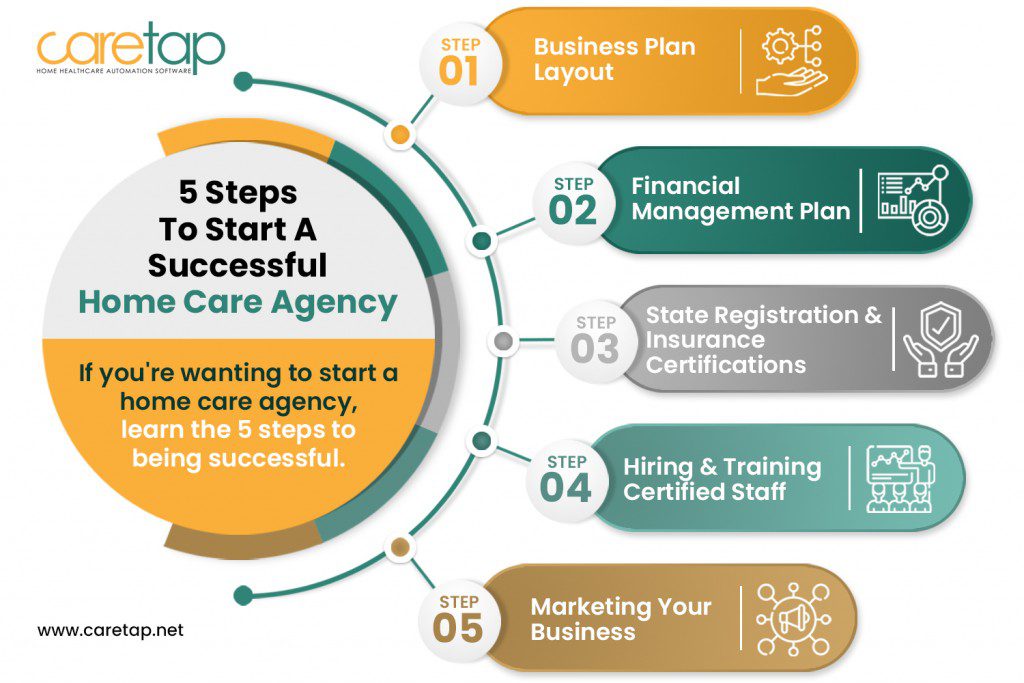
Image Source: caretap.net
Laying the Foundation: Your Vision and Business Plan
Setting up a residential care facility is a significant undertaking, requiring careful planning and dedication. It’s more than just providing a place to live; it’s about creating a nurturing and safe environment for individuals who need support.
Developing Your Residential Care Home Business Plan
A robust residential care home business plan is the cornerstone of your venture. This document will serve as your roadmap, guiding your decisions and helping you secure funding.
Core Components of Your Business Plan:
- Executive Summary: A brief overview of your entire plan.
- Company Description: Detail your mission, vision, and values. What kind of care will you offer? Who is your target demographic (e.g., elderly, individuals with specific needs)?
- Market Analysis: Research your local market. Who are your competitors? What are their strengths and weaknesses? Identify the demand for your services.
- Organization and Management: Outline your legal structure (sole proprietorship, LLC, etc.) and the management team you plan to build. Highlight any relevant experience.
- Services Offered: Clearly define the types of care you will provide. This could include:
- Assistance with daily living activities (bathing, dressing, eating).
- Medication management.
- Nutritional meal planning and preparation.
- Social and recreational activities.
- Transportation services.
- Specialized care (e.g., dementia care, memory care).
- Marketing and Sales Strategy: How will you attract residents? This includes online presence, community outreach, and partnerships with healthcare providers.
- Financial Projections: This is critical. It includes startup costs, operating expenses, revenue forecasts, and funding requirements.
- Appendix: Include supporting documents like resumes, market research data, and licenses.
Defining Your Niche and Services
Consider what type of care home you want to operate. Assisted living home requirements can differ significantly from those for facilities focusing on memory care or individuals with specific disabilities.
Differentiating Your Facility:
- Specialized Care: Will you focus on memory care, dementia care, or individuals with specific medical conditions?
- Level of Care: Determine the primary level of support you will offer – from minimal assistance to more intensive residential care.
- Amenities: What unique features or amenities will you offer? This could be beautifully landscaped gardens, pet-friendly policies, or advanced technology for resident safety.
Navigating the Legal Landscape: Regulations and Licensing
Complying with elderly care home regulations is non-negotiable. These rules are in place to ensure the safety, health, and well-being of residents.
Licensing a Care Home: The Essential Process
Licensing a care home is a complex but vital step. Each state or region has its own specific requirements.
Key Steps in Licensing:
- Research State/Local Requirements: Contact your state’s Department of Health or equivalent agency. They will provide detailed information on the application process, required documents, and inspections.
- Develop Policies and Procedures: You’ll need to create comprehensive policies covering everything from resident admissions and care plans to emergency procedures and staff conduct. This will form the basis of your care home operations manual.
- Facility Compliance: Your physical location must meet building codes, fire safety regulations, and health standards. This might involve renovations or specific building requirements.
- Background Checks and Training: All staff will likely require background checks. Mandatory training for caregivers is also common. This is where residential care provider training becomes paramount.
- Application Submission and Inspections: Submit your application with all supporting documentation. Expect multiple inspections of your facility and review of your procedures by regulatory bodies.
Understanding Elderly Care Home Regulations
Elderly care home regulations are designed to protect vulnerable populations. They typically cover:
- Staffing Ratios: The number of staff required per resident.
- Health and Safety Standards: Requirements for sanitation, infection control, and safe living environments.
- Resident Rights: Policies that ensure residents are treated with dignity and respect.
- Medication Management: Strict protocols for administering and storing medications.
- Emergency Preparedness: Plans for fires, natural disasters, and medical emergencies.
- Record Keeping: Detailed documentation of resident care, staff training, and facility operations.
Securing Your Location and Staffing
The physical environment and the people who work there are crucial to the success of your care home.
Choosing the Right Facility
When selecting a property, consider accessibility, safety, and the potential for expansion.
Facility Considerations:
- Location: Proximity to hospitals, shopping centers, and residential areas. Easy access for visitors.
- Size and Layout: Does it accommodate the number of residents you plan to house? Is the layout conducive to accessibility (e.g., wide hallways, ramps, grab bars)?
- Safety Features: Fire suppression systems, emergency exits, secure entrances.
- Outdoor Space: Accessible and safe outdoor areas for residents to enjoy.
- Zoning Laws: Ensure the property is zoned for residential care use.
Building Your Team: Hiring and Training
The quality of your staff directly impacts the quality of care.
Key Staffing Roles:
- Administrator/Manager: Oversees daily operations.
- Caregivers/Direct Support Staff: Provide direct resident care.
- Nurses (RN/LPN): For medical oversight and specialized care.
- Housekeeping and Maintenance Staff: Ensure a clean and safe environment.
- Activities Coordinator: Plans and implements resident activities.
- Dietary Staff: Prepare meals and manage nutrition.
Residential Care Provider Training:
Invest in thorough residential care provider training. This should cover:
- Resident-Centered Care: Focusing on the individual needs and preferences of each resident.
- First Aid and CPR: Essential for emergency response.
- Medication Administration: If applicable, with strict adherence to protocols.
- Infection Control: Preventing the spread of diseases.
- Abuse and Neglect Prevention: Recognizing and reporting signs of abuse.
- Communication Skills: Effective interaction with residents, families, and other staff.
- Specialized Care Training: If offering dementia or memory care.
Financial Planning and Funding Your Venture
Funding a care home business requires careful financial planning and often, securing external investment.
Startup Costs Breakdown
Be prepared for a significant initial investment.
Typical Startup Costs:
| Expense Category | Estimated Cost Range | Notes |
|---|---|---|
| Property Acquisition/Lease | $50,000 – $1,000,000+ | Depends on location and whether you buy or lease |
| Renovations & Modifications | $20,000 – $200,000+ | To meet licensing and accessibility requirements |
| Furniture & Equipment | $10,000 – $50,000 | Beds, chairs, medical equipment, kitchen supplies, etc. |
| Licensing & Permits | $1,000 – $10,000 | Varies significantly by state/locality |
| Insurance | $5,000 – $20,000+ | Liability, property, workers’ compensation |
| Initial Staffing Costs | $10,000 – $30,000 | Recruitment, training, initial payroll |
| Marketing & Advertising | $2,000 – $10,000 | Website, brochures, local advertising |
| Legal & Professional Fees | $3,000 – $15,000 | Lawyers, accountants |
| Working Capital (3-6 months) | $50,000 – $200,000+ | To cover operating expenses before revenue is consistent |
| Total Estimated Startup | $151,000 – $1,535,000+ | This is a broad estimate; detailed research is essential. |
Funding Options for Your Care Home Business
- Personal Savings: Using your own capital.
- Loans: Small Business Administration (SBA) loans, traditional bank loans.
- Investors: Angel investors or venture capitalists interested in the healthcare sector.
- Grants: Some government or non-profit organizations offer grants for healthcare facilities.
- Crowdfunding: For smaller startup needs.
Operations and Management: Running Your Facility
Effective senior living facility management ensures smooth daily operations and resident satisfaction. A well-structured care home operations manual is essential for consistency and quality.
Creating Your Care Home Operations Manual
This document is your internal guide, standardizing procedures and ensuring compliance.
Key Sections of the Manual:
- Admission and Discharge Procedures: How residents enter and leave the facility.
- Resident Care Planning: Process for developing and updating individual care plans.
- Medication Management Protocol: Safe handling and administration.
- Infection Control Procedures: Hand hygiene, sanitization, waste disposal.
- Emergency Procedures: Fire, medical emergencies, natural disasters.
- Staff Policies and Procedures: Code of conduct, attendance, performance reviews.
- Food Service and Nutrition Guidelines: Meal planning, preparation, dietary restrictions.
- Activities and Social Engagement: Planning and execution of resident programs.
- Housekeeping and Maintenance: Cleaning schedules, repair protocols.
- Financial Management: Billing, payroll, record-keeping.
- Communication Protocols: Between staff, residents, and families.
- Incident Reporting: How to document and report unusual events.
Managing Daily Operations
Efficient management is key to resident well-being and business success.
Daily Operations Focus Areas:
- Resident Well-being: Ensuring residents are comfortable, safe, and engaged.
- Staff Supervision: Providing guidance, support, and performance feedback.
- Schedule Management: Ensuring adequate staffing coverage for all shifts.
- Supply Management: Monitoring and replenishing essential supplies (medications, food, cleaning products).
- Communication: Maintaining open lines of communication with residents, families, and staff.
- Record Keeping: Diligent documentation of all resident care and facility activities.
Considering a Home Care Agency Startup
While different from a residential facility, understanding the home care agency startup landscape can provide valuable insights into the care sector. Many principles of client management and regulatory compliance overlap. Some entrepreneurs begin with a home care agency and then expand into residential care.
Marketing and Building Your Reputation
Attracting residents requires a strategic marketing approach and a commitment to building a positive reputation.
Marketing Your Residential Care Facility
- Website: A professional and informative website is crucial. Include services, staff bios, testimonials, and virtual tours.
- Local SEO: Ensure your facility appears in local search results.
- Community Outreach: Partner with local hospitals, doctors’ offices, and senior centers.
- Open Houses: Invite potential residents and their families to tour your facility.
- Testimonials and Reviews: Encourage satisfied residents and families to share their experiences.
- Content Marketing: Create blog posts or articles about senior care, healthy aging, etc.
Building Trust and Reputation
- Exceptional Care: The best marketing is providing outstanding care.
- Transparency: Be open and honest with residents and their families.
- Responsive Communication: Address concerns promptly and compassionately.
- Community Involvement: Participate in local events and support community initiatives.
Frequently Asked Questions (FAQ)
Q1: What are the biggest challenges when starting a care home?
A1: The biggest challenges typically include navigating complex regulations, securing adequate funding, recruiting and retaining qualified staff, and building a strong reputation in a competitive market.
Q2: How much does it cost to start a care home?
A2: The cost varies greatly depending on location, size, and the type of care provided. Startup costs can range from tens of thousands to over a million dollars, including property, renovations, licensing, equipment, and initial operating capital.
Q3: What qualifications do I need to run a care home?
A3: While direct experience in healthcare or caregiving is highly advantageous, it’s not always a mandatory legal requirement. However, you will need strong management, business, and organizational skills. It’s crucial to hire experienced staff, including a qualified administrator or manager, and potentially a licensed nurse.
Q4: How long does it take to get licensed?
A4: The licensing process can take several months, from application submission through inspections and approval. This timeframe can vary significantly by state or region.
Q5: What is the difference between assisted living and a nursing home?
A5: Assisted living facilities provide housing and support for daily living activities, with residents generally being more independent. Nursing homes offer a higher level of medical care and supervision for individuals with complex medical needs who require constant attention.
Q6: How important is a care home operations manual?
A6: A care home operations manual is critically important. It standardizes procedures, ensures consistency in care delivery, aids in staff training, and is often a requirement for licensing and accreditation. It is the backbone of efficient and compliant facility management.
Starting a care home is a deeply rewarding endeavor, offering the opportunity to make a profound difference in people’s lives. By diligently following these steps, conducting thorough research, and prioritizing quality of care, you can establish a successful and respected residential care facility.