
No, you absolutely should not attempt to pull a wisdom tooth at home. Trying to perform DIY tooth extraction or wisdom tooth removal at home is incredibly dangerous and can lead to severe complications, including life-threatening infections, excessive bleeding, nerve damage, and permanent disfigurement.
Most people wonder about self-dental care when faced with dental pain, especially concerning wisdom teeth. However, the complexities of tooth anatomy and the potential for immediate and long-term harm make unassisted wisdom tooth removal a perilous endeavor. This guide will delve into why attempting tooth pulling without a dentist is a terrible idea, exploring the significant risks and dangers involved.
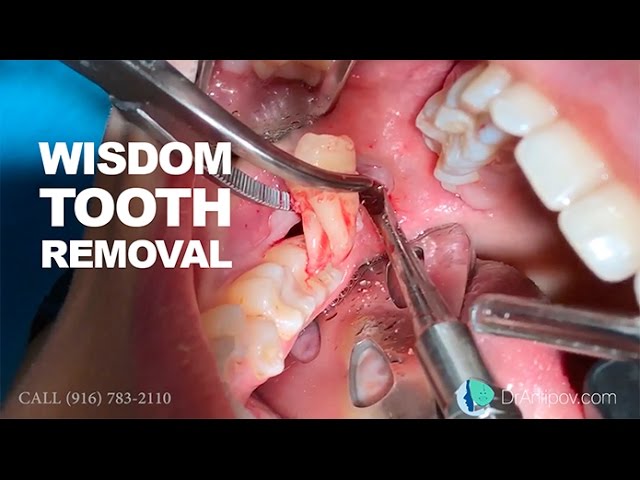
Image Source: i.ytimg.com
The Perilous Undertaking of Home Tooth Extraction
The allure of saving money or avoiding a dental visit might tempt some individuals to consider amateur tooth extraction. Perhaps they’ve seen videos online or heard anecdotal stories. This section will illuminate why these notions are severely misguided and highlight the inherent dangers of trying to pull a tooth without professional expertise.
Why Wisdom Teeth Are Different
Wisdom teeth, or third molars, are the last teeth to erupt in the mouth, typically appearing between the ages of 17 and 25. They are often problematic because the jaw may not have enough room for them to erupt properly. This can lead to various issues:
- Impaction: The tooth is stuck beneath the gum line or bone and cannot break through.
- Partial Eruption: The tooth emerges only partially, creating an opening for bacteria to enter.
- Crowding: They push against other teeth, causing alignment problems.
- Pain and Swelling: Inflammation and discomfort are common.
- Infection: Bacteria can accumulate around partially erupted teeth, leading to painful infections.
These complexities are precisely why professional dental extraction is crucial. Dentists have specialized tools, knowledge of oral anatomy, and sterile environments to manage these procedures safely.
The Pitfalls of DIY Tooth Extraction
Attempting to extract a tooth at home, especially a wisdom tooth, is a recipe for disaster. The risks are numerous and can have severe consequences.
1. Severe Pain and Inadequate Anesthesia
Without proper dental anesthesia, attempting to pull a tooth will be excruciatingly painful. Over-the-counter pain relievers will not be sufficient. The intense pain can lead to shock and further complications. Even if you can somehow manage the pain, the lack of local anesthesia means you won’t be able to relax your muscles, making the extraction even more difficult and traumatic.
2. Excessive Bleeding
Wisdom teeth are often deeply rooted and surrounded by a rich blood supply. Tooth pulling without a dentist lacks the necessary control over bleeding. You could experience prolonged and significant blood loss, potentially leading to anemia or requiring emergency medical intervention. Dentists use specific techniques and materials to control bleeding during and after extraction.
3. Infection: A Major Threat
The mouth is teeming with bacteria. When you attempt to pull a tooth at home, you introduce an open wound into this environment. Without sterile instruments and a sterile field, the risk of introducing harmful bacteria deep into the jawbone and surrounding tissues is extremely high.
- Local Infection: This can manifest as severe swelling, pus formation, and intense pain at the extraction site.
- Cellulitis: A bacterial skin infection that can spread rapidly through the connective tissues of the face and neck.
- Osteomyelitis: A serious bone infection that can occur if bacteria reach the jawbone. This can be very difficult to treat and may require extensive surgery and long-term antibiotics.
- Abscesses: Pockets of pus can form, which may require drainage and can spread to other areas.
These infections can be life-threatening, potentially leading to sepsis (a systemic inflammatory response to infection) or brain abscesses in rare but devastating cases.
4. Nerve Damage
The nerves in the jaw, particularly the inferior alveolar nerve that runs through the mandible, are very close to the roots of the wisdom teeth. Damage to these nerves can result in:
- Numbness or Tingling: Affecting the chin, lower lip, and tongue.
- Loss of Sensation: Potentially permanent loss of feeling in these areas.
- Chronic Pain: A persistent burning or electric shock-like sensation.
Dentists use advanced imaging techniques (like X-rays and CBCT scans) to assess the proximity of nerves and use specialized instruments and techniques to minimize the risk of damage. Amateur tooth extraction offers no such safeguards.
5. Jaw Fracture or Damage
Wisdom teeth can be impacted at awkward angles, making them difficult to remove. Applying excessive force, as you might when trying to pull a tooth at home, can lead to:
- Fracture of the Jawbone: A broken jaw requires significant medical intervention, often surgery, to repair.
- Damage to Adjacent Teeth: You could accidentally damage or even pull out a healthy neighboring tooth.
- Loosening of Other Teeth: The force applied could compromise the stability of surrounding teeth.
6. Incomplete Extraction and Root Fracture
Wisdom tooth roots can be long, curved, and complex. It’s easy to break off a portion of the root during an amateur extraction. A retained root fragment can:
- Cause persistent pain and inflammation.
- Become a nidus for infection.
- Require a surgical procedure to remove, which is far more complicated than a simple extraction.
7. Trauma to the Gums and Soft Tissues
Without proper training and instruments, you are likely to cause significant trauma to your gums, cheeks, and tongue. This can lead to:
- Tearing of soft tissues.
- Cuts and lacerations that are prone to infection.
- Swelling and bruising that can be extensive.
8. Foreign Body Introduction
Using non-sterile household items like pliers or even improvised tools can introduce foreign materials into the wound, further increasing the risk of infection and complications.
The Temptation of “Home Dental Remedies”
The idea of home dental remedies for severe dental problems like impacted wisdom teeth is often driven by misinformation or desperation. While some mild remedies might help with temporary symptom relief for minor issues, they are entirely inadequate for surgical procedures.
Table 1: Ineffective and Dangerous Home Remedies for Wisdom Tooth Extraction
| “Remedy” | Why it’s Dangerous/Ineffective |
|---|---|
| Pliers/Tools | Non-sterile, improper grip, high risk of jaw fracture, nerve damage, incomplete extraction. |
| String/Wire | Ineffective for anchoring, can cut gums, high risk of infection, potential for root breakage. |
| Excessive Force | Leads to jaw fracture, nerve damage, trauma to soft tissues, damage to adjacent teeth. |
| DIY Anesthesia (DIY) | Extremely dangerous, can lead to overdose, allergic reactions, and uncontrolled pain. |
| Ignoring Pain | Indicates a serious underlying problem that home remedies cannot fix. |
| Relying on Painkillers | Masks symptoms without addressing the root cause; does not facilitate extraction. |
Avoiding the Dentist for Wisdom Tooth Issues: A Dangerous Choice
The decision to avoid dentist for wisdom tooth problems is a common but ill-advised one. While it might seem like a way to save money or avoid discomfort, the long-term consequences can be far more severe and costly.
Consequences of Delaying Professional Care
- Worsening Infection: Delays allow infections to spread, potentially leading to more serious complications like cellulitis or even sepsis.
- Increased Pain: What might start as mild discomfort can escalate into excruciating pain as inflammation and infection worsen.
- Damage to Adjacent Teeth: An impacted wisdom tooth can push against the roots of the second molar, causing damage, decay, or resorption of that tooth.
- Cyst Formation: Impacted wisdom teeth can sometimes develop cysts that grow and damage the jawbone and surrounding teeth.
- Higher Treatment Costs: Addressing complications from delayed or botched extractions often requires more complex and expensive procedures than a timely, professional extraction.
The Role of Professional Dental Care
Dentists and oral surgeons are equipped with the knowledge, skills, and tools to safely and effectively remove wisdom teeth. This includes:
- Diagnostic Tools: X-rays (including panoramic and periapical views), and sometimes CBCT scans, to assess the exact position of the wisdom teeth, their roots, and their relationship to nearby nerves and structures.
- Sterile Environment: Operating in a clean, sterile environment to minimize the risk of infection.
- Appropriate Anesthesia: Administering local anesthetics, sedation, or general anesthesia to ensure patient comfort and pain control.
- Specialized Instruments: Using surgical elevators, forceps, and drills designed for dental extractions.
- Surgical Techniques: Employing techniques like sectioning the tooth or removing bone to facilitate safe extraction.
- Post-Operative Care: Providing clear instructions on pain management, hygiene, and signs of complications.
The Reality of Dangerous Dental Procedures Performed at Home
The category of dangerous dental procedures performed at home extends beyond just wisdom tooth extraction. Any invasive manipulation of the teeth and gums without professional training and equipment carries significant risks.
What Constitutes a Dangerous Dental Procedure at Home?
- Attempting to extract any tooth: Not just wisdom teeth, but any tooth, if done improperly, can lead to complications.
- Attempting to remove a broken tooth fragment: Leaving fragments can lead to infection and pain.
- Using crude methods to treat decay: Attempting to drill or file away decay without proper tools and understanding of tooth structure.
- Self-administering antibiotics or powerful pain medications: This can be dangerous due to incorrect dosage, interactions, or masking of a more serious issue.
- Using unproven or dangerous “cures” from the internet: These can cause burns, tissue damage, or poisoning.
Why These Procedures are So Risky
These procedures bypass the fundamental principles of sterile technique, accurate diagnosis, and controlled execution that are essential in medicine and dentistry. The consequences are often severe and can include:
- Uncontrolled bleeding.
- Severe infections.
- Nerve damage.
- Fractures of the jaw or teeth.
- Damage to surrounding tissues.
- Permanent disfigurement.
- Life-threatening systemic infections.
Frequently Asked Questions (FAQ)
Q1: Can I just try to loosen my wisdom tooth with floss or a string?
A1: No, this is extremely dangerous. Floss or string is not designed for dental extraction and can easily cut your gums, cause significant bleeding, introduce bacteria, and break off a piece of the tooth or root, leading to infection and requiring professional removal anyway.
Q2: What if my wisdom tooth is only partially erupted and feels loose?
A2: Even a partially erupted tooth is firmly anchored in the jawbone. What might feel “loose” could be swelling or gum irritation. Attempting to pull it can still cause severe bleeding, infection, nerve damage, or leave a root fragment behind. Professional assessment is crucial.
Q3: Is it possible to pull a wisdom tooth with household pliers?
A3: Absolutely not. Household pliers are not sterile, are not designed for dental extraction, and lack the precision needed. Using them significantly increases the risk of jaw fracture, nerve damage, incomplete extraction, and severe infection.
Q4: What are the signs of a serious infection after a failed attempt at home extraction?
A4: Signs include increasing redness and swelling around the extraction site, persistent throbbing pain that isn’t managed by over-the-counter medication, pus discharge, fever, chills, foul taste in the mouth, or swelling of the face and neck. These are medical emergencies.
Q5: How much does wisdom tooth removal typically cost?
A5: The cost varies depending on the complexity of the impaction, the location, and whether sedation is used. However, the cost of professional removal is significantly less than the cost of treating severe complications arising from a DIY attempt, which can include hospitalization, surgery, and long-term medical care.
Q6: Can I get infected from just touching the area?
A6: While touching can spread bacteria, the real danger comes from creating an open wound through a failed extraction attempt. The breach in your oral tissues, combined with non-sterile conditions and forceful manipulation, creates a prime pathway for serious infection.
Q7: Is there any safe way to manage wisdom tooth pain at home without seeing a dentist?
A7: For temporary relief of mild discomfort, you can rinse with warm salt water, apply a cold compress to the outside of your cheek, and take over-the-counter pain relievers like ibuprofen or acetaminophen. However, these are temporary measures. If pain persists or worsens, you must see a dentist. Relying on home dental remedies for the actual extraction is never advisable.
Conclusion
The question of whether you can pull a wisdom tooth at home has a clear and unequivocal answer: no. The array of potential complications—from excruciating pain and uncontrolled bleeding to devastating infections and permanent nerve damage—makes DIY tooth extraction one of the most dangerous things you can do to your health.
The temptation to bypass professional dental care for wisdom tooth issues by resorting to amateur tooth extraction or home dental remedies is understandable in some contexts, but the risks far outweigh any perceived benefits. Unassisted wisdom tooth removal is a perilous gamble with your health. Always prioritize professional dental care for wisdom teeth and any other dental concerns. Visiting a dentist is not just about maintaining a healthy smile; it’s about safeguarding your overall well-being.