
Image Source: dropinblog.net
How To Treat Flea Dermatitis In Dogs At Home
Can you treat flea dermatitis in dogs at home? Yes, you can effectively treat flea dermatitis in dogs at home by focusing on eliminating fleas, soothing the skin, and preventing future infestations. This comprehensive guide will walk you through the steps and natural remedies you can use.
Flea allergy dermatitis (FAD) is a common and often frustrating condition for dog owners. It’s an allergic reaction to flea saliva, meaning even a single flea bite can trigger a significant skin reaction in sensitive dogs. The result? Intense itching, redness, hair loss, and a very uncomfortable dog. While veterinary care is crucial, many effective treatments and relief measures can be implemented right in your own home. This article aims to provide an in-depth, well-researched guide on how to manage and treat flea dermatitis in dogs at home, covering everything from immediate relief to long-term prevention.
Recognizing Canine Flea Allergy Symptoms and Treatment
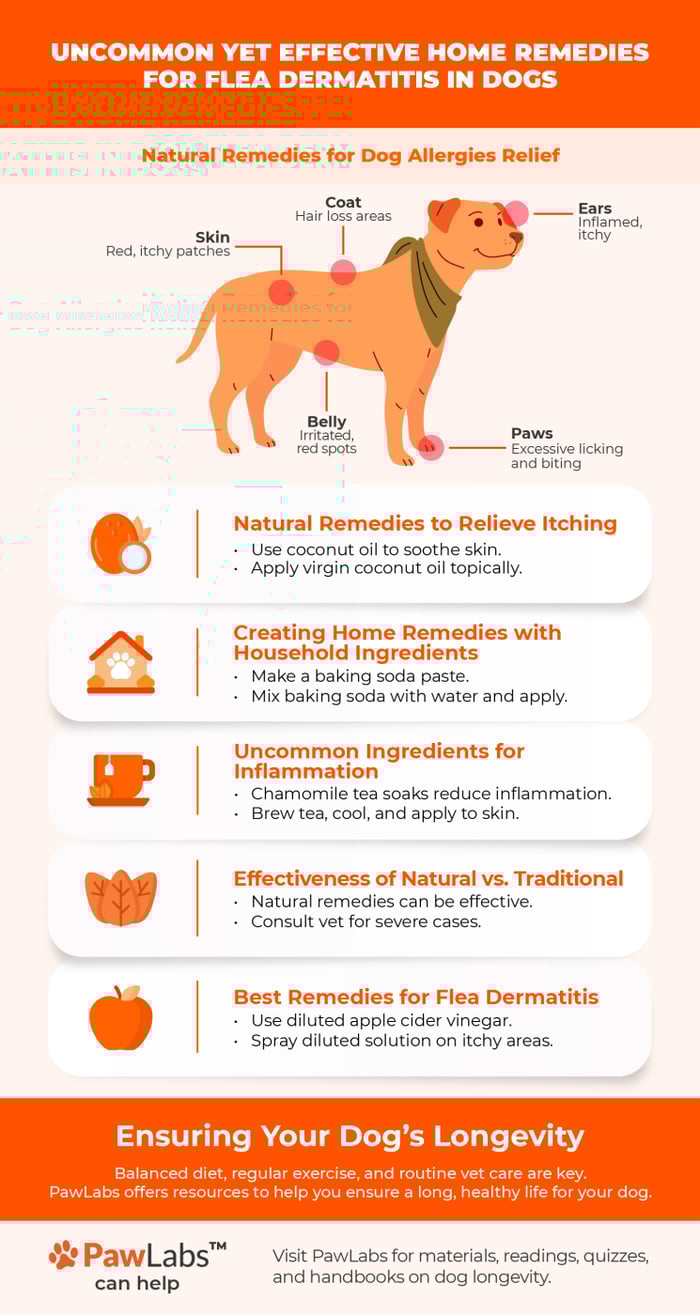
Before diving into treatments, it’s essential to recognize the signs of flea allergy dermatitis in your dog. The most prominent symptom is intense itching, often focused on specific areas.
Key Symptoms of Flea Allergy Dermatitis:
- Intense Itching (Pruritus): This is the hallmark of FAD. Dogs may scratch, lick, chew, or bite at their skin constantly.
- Redness and Inflammation: The skin will appear red, irritated, and inflamed, especially around the areas of intense scratching.
- Hair Loss: Due to excessive licking and scratching, patches of fur can be lost, particularly on the back half of the body, base of the tail, thighs, and abdomen.
- Scabs and Sores: Constant scratching can break the skin, leading to scabs, open sores, and even secondary bacterial or yeast infections.
- Crusty Lesions: Small, crusty bumps, often referred to as “hot spots” or pyotraumatic dermatitis, can appear.
- Skin Thickening and Darkening: Chronic FAD can lead to hyperpigmentation (darkening) and lichenification (thickening) of the skin.
- Restlessness and Agitation: Your dog may seem uncomfortable, unable to settle, and generally distressed.
If you observe any of these symptoms, it’s time to investigate for fleas and consider at-home flea control for dogs.
At-Home Flea Control for Dogs: The First Line of Defense
The absolute cornerstone of treating flea dermatitis is eradicating the fleas from your dog and your environment. Without this, any other treatment will only offer temporary relief.
Eliminating Fleas from Your Dog:
- Flea Bathing: A thorough bath is a great first step. Use a dog flea shampoo specifically designed to kill adult fleas. Lather well and let it sit for the time recommended on the product label before rinsing thoroughly. Ensure you rinse all the shampoo out, as residue can be irritating.
- Flea Combs: After the bath, while your dog is still damp, use a fine-toothed flea comb to physically remove any remaining fleas and flea dirt (feces). Dip the comb in soapy water as you go to drown any captured fleas. This is particularly helpful for getting fleas from hard-to-reach areas.
- Spot-On Treatments and Oral Medications: While these are technically veterinary products, they are often administered at home. Consult your veterinarian for the most appropriate and safe product for your dog. They come in various forms, including topical treatments applied to the skin and oral medications that the dog ingests. These are highly effective at killing fleas rapidly.
Environmental Control: Crucial for Long-Term Success
Fleas don’t just live on your dog; they spend most of their life cycle in your home and yard.
- Vacuuming: Vacuum all carpets, rugs, upholstery, and even cracks in the floor frequently. Fleas and their eggs can hide in these areas. Pay special attention to areas where your dog spends a lot of time. After vacuuming, immediately dispose of the vacuum bag or empty the canister outside your home to prevent fleas from escaping back into the house.
- Washing Bedding: Wash all of your dog’s bedding, blankets, and any other fabrics they use in hot water. This will kill fleas, eggs, larvae, and pupae. Do this regularly, at least weekly, while treating the infestation.
- Steam Cleaning: If possible, steam cleaning carpets and upholstery can kill fleas at all life stages due to the heat.
- Yard Treatment: If your dog spends time outdoors, treat your yard, especially shaded and moist areas where fleas tend to congregate. You can use pet-safe insecticides or natural methods like diatomaceous earth (food-grade) in dry areas.
Natural Flea Dermatitis Relief for Dogs: Soothing the Itch
Once you’ve started the flea eradication process, focus on providing relief for your dog’s irritated skin. These flea allergy dermatitis home remedies can make a significant difference.
Soothing Baths and Rinses:
- Oatmeal Baths: Colloidal oatmeal is a well-known natural anti-itch ingredient. You can buy colloidal oatmeal specifically for pet baths or grind plain, unflavored oatmeal into a fine powder yourself. Add it to a warm (not hot) bath and let your dog soak for 10-15 minutes. This helps to calm inflamed skin and reduce itching.
- Apple Cider Vinegar (ACV) Rinse: Diluted apple cider vinegar can help to soothe the skin and deter fleas. Mix one part ACV with three parts water. After bathing and rinsing your dog, use this mixture as a final rinse, avoiding the eyes and mouth. The acidity can help balance the skin’s pH and discourage fleas. Ensure you use raw, unfiltered ACV for the most benefits.
- Chamomile Tea Rinse: Brew a strong batch of chamomile tea, let it cool completely, and then use it as a final rinse after bathing. Chamomile is known for its anti-inflammatory and calming properties.
Topical Treatments and Applications:
- Coconut Oil: Virgin coconut oil has moisturizing and some antimicrobial properties. You can gently rub a small amount into irritated areas of your dog’s skin to help soothe dryness and reduce inflammation. It can also be mildly deterrent to fleas, though not a primary treatment.
- Aloe Vera Gel: Pure aloe vera gel (ensure it’s 100% pure and doesn’t contain additives that are toxic to dogs, like lidocaine) can be applied to hot spots or irritated patches. It’s cooling and can help reduce inflammation and promote healing. Always check with your vet before using any topical product, especially if your dog tends to ingest it.
- Witch Hazel: Alcohol-free witch hazel can be applied with a cotton ball to calm red, itchy skin. It has astringent properties that can help dry out inflamed areas and provide relief.
Home Remedies for Flea Allergy Rash
Dealing with the visible rash and discomfort from flea bites requires specific attention.
- Cool Compresses: Applying a cool, damp cloth to inflamed areas can provide immediate relief from itching and reduce swelling.
- Calendula Salve or Cream: Calendula is a natural herb with anti-inflammatory and wound-healing properties. A calendula-based balm or cream (ensure it’s safe for pets) can be applied to help heal the rash and soothe the skin.
- Baking Soda Paste: For localized, intensely itchy spots, a paste made from baking soda and a small amount of water can be applied for a short period (10-15 minutes) to help dry out and soothe the rash. Rinse off thoroughly afterward.
Treating Flea Allergy in Puppies at Home
Puppies have more sensitive skin and can be more susceptible to flea infestations and the effects of flea control products.
- Gentle Products: Always use products specifically formulated for puppies. Shampoos, combs, and topical treatments for adult dogs may be too harsh.
- Veterinary Consultation is Crucial: Before administering any flea treatment to a puppy, consult your veterinarian. They can recommend the safest and most effective products, as many adult flea treatments are not suitable for young puppies.
- Frequent Gentle Grooming: Use a very fine-toothed flea comb gently and frequently to remove fleas. Puppies may not tolerate long grooming sessions, so short, frequent ones are best.
- Environmental Control: Focus heavily on cleaning the puppy’s environment. Wash their bedding in hot water and vacuum frequently.
Dog Skin Irritation from Fleas: Addressing the Root Cause
The skin irritation is a direct consequence of the flea’s bite and your dog’s allergic reaction. While topical remedies help the symptoms, the ultimate solution is to remove the cause – the fleas.
- Patience is Key: Flea allergy dermatitis can take time to resolve completely, even after fleas are eliminated. The skin needs to heal, and the allergic reaction needs to subside. Continue with your flea control and soothing treatments consistently.
- Prevent Secondary Infections: If your dog’s scratching has led to open sores, there’s a risk of bacterial or yeast infections. Keep the area clean. If you notice increased redness, pus, or a foul odor, contact your veterinarian immediately, as antibiotics or antifungal medications may be necessary.
Dog Flea Bite Itching Relief: Immediate Comfort
When the itching is unbearable for your dog, you need quick solutions.
- Cold Therapy: As mentioned, cool compresses or even a bag of frozen peas wrapped in a towel and applied briefly can offer immediate, temporary relief from intense itching.
- Colloidal Oatmeal Baths: The soothing properties of oatmeal can provide significant itching relief during and after the bath.
- Diluted ACV Spray: A cool, diluted ACV spray can offer a refreshing and itch-relieving mist for your dog’s skin.
Flea Allergy Dermatitis Home Remedies: A Natural Approach
For owners who prefer a more natural route, several flea allergy dermatitis home remedies can be effective when used correctly and consistently.
Diet and Supplements:
- Omega-3 Fatty Acids: Supplements like fish oil or flaxseed oil can help improve skin health and reduce inflammation from the inside out. Consult your veterinarian for the correct dosage for your dog. A healthy skin barrier is less prone to irritation.
- Probiotics: Supporting your dog’s gut health with probiotics can also indirectly benefit their skin by strengthening their immune system.
Essential Oils (Use with Extreme Caution and Dilution):
- Lavender and Chamomile: In highly diluted forms and applied topically, a few drops of lavender or chamomile essential oil mixed with a carrier oil (like coconut oil) can have calming effects on the skin. Never use essential oils directly on your dog’s skin. Always dilute them significantly (e.g., 1 drop of essential oil per ounce of carrier oil) and perform a patch test first. Some essential oils are toxic to dogs if ingested or applied improperly. Consult your veterinarian before using any essential oils.
- Citrus Oils: While citrus oils can deter fleas, they can also be irritating to a dog’s skin and are toxic if ingested. It is generally safer to avoid them for topical application.
Diatomaceous Earth (Food Grade):
- Topical Application: Food-grade diatomaceous earth (DE) is a natural powder made from fossilized algae. It works by physically damaging the exoskeletons of insects, causing them to dehydrate. You can lightly sprinkle DE onto your dog’s coat, avoiding the face and eyes, and brush it through. It can also be applied to bedding and carpets. Ensure you use food-grade DE and avoid inhaling the dust. While it can help kill fleas, it’s not a substitute for a comprehensive flea control program.
Managing Flea-Infested Dogs: Long-Term Strategies
Once you’ve tackled the initial infestation and your dog’s discomfort, maintaining a flea-free environment is crucial to prevent recurrence.
- Year-Round Flea Prevention: Don’t stop flea treatment during colder months. Fleas can survive indoors year-round. Consistent preventative measures are key to avoiding FAD flares.
- Regular Grooming and Inspection: Continue to groom your dog regularly and inspect their coat for fleas or flea dirt. This allows you to catch any new infestations early.
- Maintain a Clean Home: Continue regular vacuuming and washing of bedding, even when you don’t see fleas.
- Monitor Your Dog: Keep an eye on your dog’s skin for any signs of irritation or itching. Early detection makes treatment much easier.
When to Seek Veterinary Advice
While this guide offers many home-based solutions, there are times when professional veterinary help is essential.
- Severe Infestations: If your dog has a massive flea burden, especially if they are a puppy, elderly, or have underlying health issues, vet intervention is often necessary for rapid and safe flea eradication.
- Secondary Infections: If your dog’s skin shows signs of infection (pus, severe swelling, foul odor), they will likely need prescription antibiotics or antifungals.
- Non-Responsive Symptoms: If your dog’s itching and skin irritation don’t improve despite your best efforts with home treatments, or if their condition worsens, a veterinarian can diagnose and treat any underlying issues or secondary complications.
- Diagnosis Confirmation: If you are unsure if your dog has flea allergy dermatitis or another skin condition, a veterinarian can provide an accurate diagnosis.
Table 1: Summary of Home Treatments for Flea Dermatitis
| Treatment Type | Method | Benefits | Precautions |
|---|---|---|---|
| Flea Eradication | Flea Shampoo & Comb | Kills adult fleas on the dog; removes fleas physically. | Follow shampoo instructions carefully; rinse thoroughly. |
| Environmental Cleaning (Vacuuming, Washing Bedding) | Eliminates fleas in the home environment. | Vacuum waste outdoors immediately; wash bedding in hot water. | |
| Skin Soothing | Oatmeal Baths | Calms inflamed skin, reduces itching. | Use lukewarm water; ensure oatmeal is well-dissolved. |
| Diluted Apple Cider Vinegar Rinse | Balances skin pH, deters fleas, soothes irritation. | Dilute properly (1:3); avoid eyes/mouth; use raw, unfiltered ACV. | |
| Cool Compresses | Provides immediate relief from itching and inflammation. | Do not apply ice directly to skin; wrap in cloth. | |
| Coconut Oil (Topical) | Moisturizes, soothes dry skin, can be mildly flea deterrent. | Use sparingly; ensure dog doesn’t ingest too much. | |
| Aloe Vera Gel (Pure) | Cooling, anti-inflammatory, promotes healing. | Use 100% pure gel; prevent ingestion. | |
| Natural Aids | Food-Grade Diatomaceous Earth | Dehydrates fleas on contact. | Use food-grade only; avoid inhalation by dog and human; can be drying to skin if overused. |
| Omega-3 Fatty Acid Supplements | Improves skin barrier function, reduces inflammation. | Consult vet for dosage. | |
| Puppy Specific | Puppy-Specific Flea Products | Gentle on sensitive skin. | Always consult vet before using any product on a puppy. |
| Frequent Gentle Combing | Removes fleas without over-stressing the puppy. | Be gentle; short sessions. |
Frequently Asked Questions (FAQ)
- Q1: How quickly can I expect to see improvement after starting home treatment?
A1: You might see some immediate relief from itching after a soothing bath, but it can take several days to weeks to see significant improvement in the skin condition, as fleas need to be fully eradicated from both the dog and the environment. - Q2: Can I use human anti-itch creams on my dog’s flea rash?
A2: It is generally not recommended. Human creams may contain ingredients that are toxic to dogs or too harsh for their skin. Always use products specifically formulated for pets or consult your veterinarian. - Q3: How do I know if my dog has flea dirt?
A3: Flea dirt looks like small black specks, similar to ground pepper, in your dog’s fur. When you place these specks on a damp paper towel, they will turn reddish-brown, indicating they are digested blood, the hallmark of flea feces. - Q4: Is it safe to use essential oils on my dog for flea allergies?
A4: While some essential oils have beneficial properties, they must be used with extreme caution and heavy dilution, and not all are safe for dogs. Many can be toxic if ingested or applied improperly. It is best to consult with your veterinarian or a veterinary aromatherapist before using essential oils on your pet. - Q5: How often should I bathe my dog with flea shampoo?
A5: For active flea dermatitis, bathing every 7-10 days with a flea shampoo can be helpful, but consult your vet as too frequent bathing can dry out the skin. In between, soothing baths with oatmeal or diluted ACV can be used more frequently if needed.
By implementing a consistent and thorough approach, focusing on flea eradication and providing soothing relief, you can effectively treat flea dermatitis in your dog at home, helping them regain their comfort and healthy skin. Remember, consistency and patience are your greatest allies in this process.