
Can you whiten false teeth at home? Yes, you can safely whiten false teeth at home using specific cleaning methods and products designed for dentures. Is it possible to restore white dentures? Absolutely, with consistent care and the right approach, you can help restore the brightness of your dentures.
A bright, confident smile is something many people desire, and for those with dentures, maintaining that sparkle is just as important. While natural teeth whitening remedies are widely discussed, caring for false teeth requires a different approach. You might wonder about bleaching dentures, or how to get those whitening acrylic teeth looking their best. This guide will delve into home denture care and removing stains from dentures effectively and safely, helping you achieve a brighter smile.
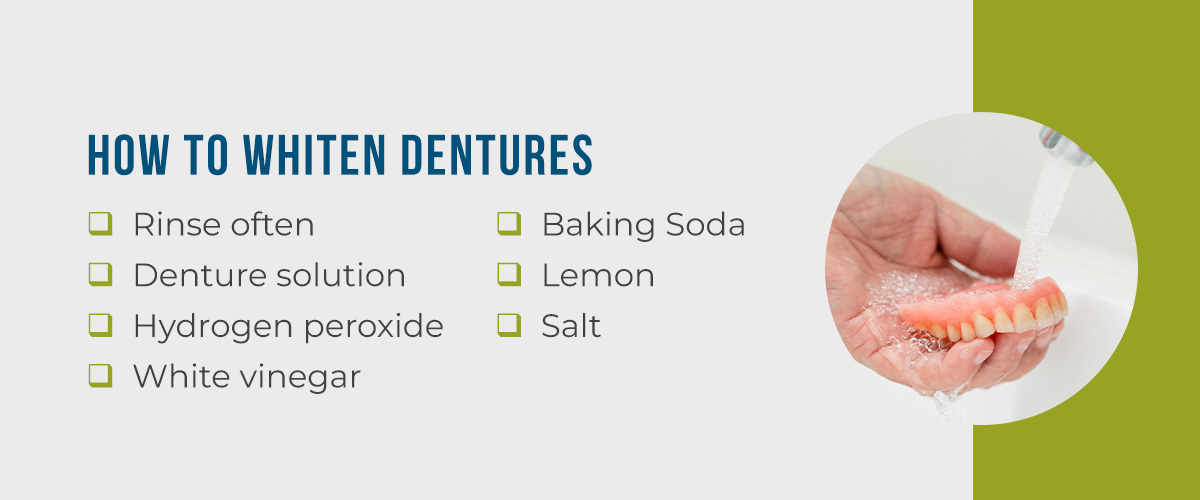
Image Source: tampadentistfl.com
The Importance of Denture Care
Denture wearers need to be diligent about cleaning and maintaining their false teeth to ensure oral hygiene and aesthetics. Over time, dentures can accumulate stains from food, drinks, and even bacteria. This can lead to discoloration, making them appear dull or yellow. Proper care not only enhances your smile but also prevents potential oral health issues.
Why Do Dentures Discolor?
Several factors contribute to the discoloration of dentures:
- Food and Drinks: Coffee, tea, red wine, and certain foods like berries can stain acrylic teeth over time.
- Smoking: Tobacco products are notorious for causing yellowing and staining on all types of teeth, including dentures.
- Buildup: Plaque and tartar can still form on dentures, just like natural teeth, and can become discolored.
- Age of Dentures: The materials used in dentures can degrade over time, which may lead to a slight change in color or porosity, making them more susceptible to staining.
- Chemical Reactions: Certain mouthwashes or toothpaste ingredients can potentially interact with denture materials, causing discoloration.
Safe Methods for Whitening Dentures at Home
It’s crucial to understand that whitening acrylic teeth is not the same as natural teeth whitening remedies for biological teeth. The materials used in dentures are different and can be damaged by harsh chemicals or abrasive scrubbing. Always opt for methods specifically designed for denture care.
Daily Cleaning: The Foundation of Brightness
Consistent daily cleaning is the most effective way to prevent stains from setting in and to keep your dentures looking their best.
Daily Routine for Denture Cleaning
- Remove and Rinse: Take your dentures out of your mouth. Rinse them thoroughly under cool running water to remove any loose food particles. Avoid hot water, as it can warp the denture material.
- Gentle Brushing: Use a soft-bristled denture brush or a soft toothbrush. Apply a small amount of non-abrasive denture cleaner or mild liquid soap. Gently brush all surfaces of the dentures, paying attention to any nooks and crannies where food might get trapped. Never use regular toothpaste, as its abrasive particles can scratch the acrylic, leading to more staining and a dull appearance.
- Rinse Again: Rinse the dentures thoroughly under cool water to remove all traces of cleaner.
Weekly Deep Cleaning for a Denture Brightener Effect
In addition to daily care, a weekly deep clean can help tackle tougher stains and keep your dentures looking brighter. This is where a good denture cleaning solution comes into play.
Using Denture Cleaning Solutions
Denture cleaning solutions are specifically formulated to be safe for denture materials while effectively cleaning and deodorizing them. These are often available as soaking tablets or liquids.
- Choose Your Solution: Select a reputable brand of denture cleaning solution. These are readily available at most pharmacies and supermarkets.
- Prepare the Soak: Fill a clean container with cool or lukewarm water. Follow the instructions on the denture cleaning solution packaging for the correct amount of solution to add.
- Soak the Dentures: Immerse your dentures completely in the solution. Let them soak for the recommended time, usually 15-20 minutes, or as directed by the product. Some solutions can be used for overnight soaking, but check the label.
- Brush and Rinse: After soaking, remove the dentures and gently brush them again with a soft brush to remove any loosened debris. Rinse them thoroughly under cool running water.
Table 1: Recommended Ingredients in Denture Cleaners
| Ingredient Type | Purpose | Example |
|---|---|---|
| Cleansing Agents | Remove plaque and food debris. | Sodium Lauryl Sulfate (in mild forms) |
| Deodorizers | Eliminate odors. | Baking Soda (Sodium Bicarbonate) |
| Antimicrobial Agents | Kill bacteria and fungi that cause odor and stains. | Sodium Hypochlorite (in dilute concentrations) |
| Enzymes | Break down protein and food particles. | Protease, Amylase |
| Buffering Agents | Maintain pH for optimal cleaning. | Citric Acid, Sodium Carbonate |
Important Note: Always follow the manufacturer’s instructions for any denture cleaning solutions. Over-soaking or using solutions not intended for dentures can damage the material.
Addressing Specific Stains: Removing Stains from Dentures
Sometimes, despite regular cleaning, stubborn stains can appear. Here are safe ways to tackle them:
Baking Soda Paste
Baking soda is a mild abrasive that can help lift surface stains.
- Make a Paste: Mix a small amount of baking soda with water to create a paste.
- Apply Gently: Use your soft denture brush to apply the paste to the stained areas.
- Brush Softly: Gently brush the stained areas in a circular motion.
- Rinse Thoroughly: Rinse the dentures completely with cool water.
White Vinegar Soak (Diluted)
White vinegar has mild acidic properties that can help break down mineral deposits and some stains. However, it must be used cautiously.
- Dilute: Mix equal parts white vinegar and water in a clean container.
- Soak Briefly: Submerge your dentures in the diluted solution for no more than 10-15 minutes.
- Brush and Rinse: Remove the dentures, brush them gently, and rinse thoroughly with cool water to remove any vinegar smell or taste.
Caution: Do not soak dentures in undiluted vinegar or for extended periods, as the acidity can damage the acrylic over time.
What About “Bleaching Dentures”?
It’s important to clarify that the term “bleaching dentures” is a bit misleading. Unlike natural teeth, which can be lightened with peroxide-based at-home teeth whitening kits, dentures are made of acrylic and porcelain. Applying commercial teeth whitening gels or solutions intended for natural teeth can be detrimental. These products contain high concentrations of peroxide that can:
- Damage Acrylic: Cause the acrylic to become brittle, porous, or even break down.
- Discoloration: Paradoxically, some chemicals might alter the color of the denture material in an undesirable way.
- Surface Damage: Create microscopic pits that make the denture more prone to staining in the future.
Therefore, when we talk about whitening dentures, it’s about deep cleaning and stain removal, not chemical bleaching.
Products and Techniques to Avoid
To maintain the integrity and appearance of your dentures, steer clear of these common mistakes:
- Abrasive Cleaners: Comet, Ajax, or scouring powders will scratch the denture surface.
- Regular Toothpaste: As mentioned, the abrasives in toothpaste damage acrylic.
- Hot Water: Can warp the denture material and cause fit issues.
- Harsh Chemicals: Bleach (chlorine), alcohol, or strong solvents can damage the denture.
- Boiling Dentures: This will severely warp them.
- Using Your Natural Teeth Whitening Kit: Products like hydrogen peroxide or carbamide peroxide gels meant for natural teeth are too strong for dentures.
When to Seek Professional Help
If you’re struggling with persistent discoloration, or if your dentures seem to have lost their luster despite your best efforts, it’s time to consult your dentist or a dental prosthetist.
- Professional Cleaning: Dentists have specialized tools and cleaning agents that can safely remove stubborn stains and polish dentures to restore their original shine.
- Relining or Replacement: Sometimes, a change in denture color might indicate wear and tear or that the denture material itself has aged. Your dentist can assess if relining or even replacing the dentures is necessary.
Maintaining a Bright Smile with Dentures: Tips for Long-Term Success
Restoring white dentures isn’t a one-time fix; it’s an ongoing commitment to proper care. Here are some tips to help maintain their brightness and longevity:
Lifestyle Habits
- Dietary Awareness: Be mindful of staining foods and drinks. If you consume them, rinse your mouth and dentures afterward.
- Quit Smoking: This is one of the most impactful changes you can make for brighter teeth, both natural and dentures.
- Hydration: Drinking plenty of water can help wash away food particles and bacteria.
Regular Dental Check-ups
Even though you have dentures, regular visits to your dentist are crucial. They can:
- Monitor Oral Health: Check for any issues with your gums or remaining natural teeth.
- Inspect Dentures: Ensure they fit properly and are not damaged.
- Provide Professional Cleaning: Offer a deep clean to remove stains you can’t tackle at home.
Choosing the Right Denture Cleaner
When selecting denture cleaning solutions, look for products approved by dental associations. These are formulated with your denture’s material safety in mind.
Frequently Asked Questions (FAQ)
Q1: Can I use baking soda and water to clean my dentures every day?
A1: While baking soda is a mild abrasive, daily use might still be too much for some denture materials over the long term. It’s generally recommended for occasional stain removal rather than daily cleaning. Stick to a dedicated denture cleaner or mild soap for daily brushing.
Q2: How often should I soak my dentures?
A2: A daily soak is often recommended for many denture wearers, using a proper denture cleaning solution. However, always follow the specific instructions provided by your dentist or the manufacturer of your dentures and cleaning products. Some may recommend a soak a few times a week.
Q3: What if my dentures still look dull after cleaning?
A3: If your dentures remain dull or stained, it might be time for a professional cleaning by your dentist. They have access to specialized equipment and polishes that can safely restore their brightness. Alternatively, the denture material itself might be aging and could benefit from refurbishment or replacement.
Q4: Can I use mouthwash on my dentures?
A4: Be cautious with mouthwash. Many alcohol-based mouthwashes can dry out the acrylic material of dentures, making them more brittle. If you use mouthwash, opt for a non-alcoholic, denture-specific mouthwash, or simply rinse thoroughly with plain water after cleaning.
Q5: How can I prevent stains on my dentures?
A5: Regular and thorough cleaning is key. Rinsing your dentures after meals, avoiding staining foods and drinks when possible, and not smoking are excellent preventive measures. A weekly deep clean with a denture brightener solution also helps significantly.
Q6: Are there any “natural” ways to whiten dentures?
A6: While there are many natural teeth whitening remedies for biological teeth (like lemon juice or charcoal), these are generally not recommended for dentures. Natural acids can damage acrylic, and abrasive natural substances can scratch the surface. Stick to methods and products specifically made for dentures.
Q7: How do I know if my dentures need replacing?
A7: Signs your dentures might need replacing include: a poor fit (they feel loose or uncomfortable), chips or cracks in the material, significant discoloration that cleaning cannot remove, or if they are more than 5-7 years old, as the material can degrade over time. Your dentist is the best person to advise on this.
Conclusion
Maintaining the pristine appearance of your dentures is achievable with consistent and appropriate home denture care. By understanding what methods are safe and what to avoid, you can effectively tackle stains and keep your smile bright. Remember, daily brushing, regular soaking with a quality denture cleaning solution, and mindful lifestyle habits are your best allies. For persistent issues or to ensure the best results in restoring white dentures, a professional consultation with your dentist is always a wise step. Your bright smile is worth the effort!